


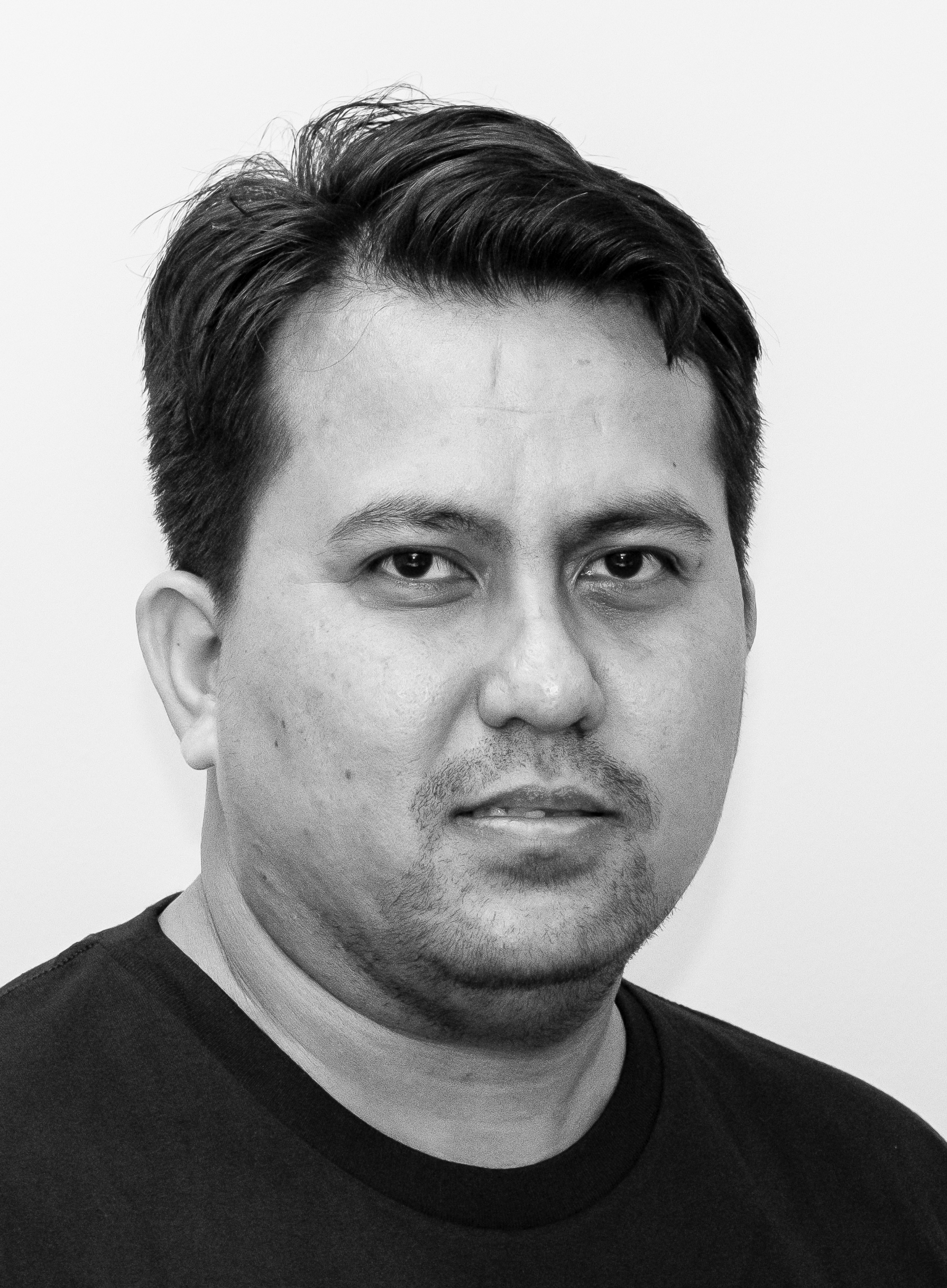
KUALA LUMPUR – The growing trend of rugby teams withdrawing from the Agong’s Cup is alarming, with Negeri Sembilan and Putrajaya recently announcing their decision to sit out this year.
Former Malaysia Rugby Union (MRU) general manager Mazuri Sallehudin has expressed his concern that this trend could negatively impact the national 15s squad.
Last year, Kedah withdrew from the championship, following a similar withdrawal by both Kedah and Perak the year before, resulting in a RM10,000 fine from MRU.
Negeri Sembilan has won the championship three times, while Putrajaya made history by winning it in 2022.
However, neither team has provided reasons for their absence this year. Consequently, only 10 teams will compete, with a redraw of the fixtures scheduled for tomorrow.
“This is an unhealthy development for the local league as we should expand and increase the number of players. Malaysia must adhere to the regulations set by Asia Rugby and World Rugby.
“To participate in the Asia Rugby Championship (ARC), Malaysia must host a local tournament with at least six competing teams.
“We don’t want to find ourselves in a situation where we lack enough teams to organise a local league, which would then prevent us from participating in the ARC.
“Currently, we no longer have the Super League or the National Inter-Club Championship – only the Agong Cup remains dedicated to 15s rugby,” said Mazuri.
The stigma from previous editions of the Agong Cup suggests that wealthier teams are likely to dominate the tournament, as they can afford to hire national players and imports from Fiji.
Mazuri views this as an unhealthy situation and suggests implementing a salary cap system – monitored and enforced by MRU – to ensure that the tournament is not dominated by teams with larger budgets.
“It’s fine if players are well compensated, but the process and documentation must be proper. There should be contracts and oversight from the governing body.
“This is why we see stronger teams dominating player selection. States with less funding can’t match the salaries offered by wealthier teams.
“For instance, if a national player is paid RM300, while a non-national is paid RM100, it levels the playing field and allows less-funded teams to remain competitive.
“According to the original rules, players wishing to compete in the Agong Cup must play for their home state or their current place of work or study. Moving to another team requires approval from their original state,” he added. – August 17, 2024