

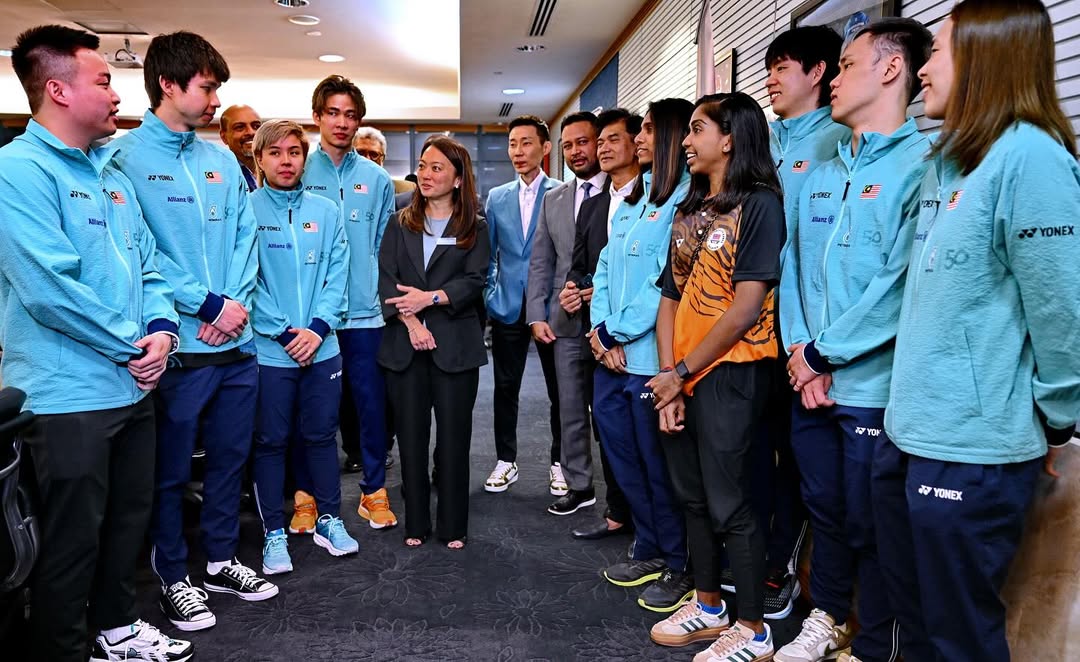

AT the Road to Gold (RTG) signing ceremony yesterday, national track cycling technical director John Beasley delivered a rousing speech on the importance of the media’s role in supporting local athletes and encouraging their success.
Beasley was spot on in stressing that journalists should verify their facts and speak to both athletes and coaches before publishing any sports-related material. A damaging or misleading report can indeed make or break an athlete’s career.
While I fully respect this honest observation from someone as esteemed as Beasley, it was the behaviour of several national shuttlers—particularly Pearly Tan and M. Thinaah—that stood out for all the wrong reasons.
Here we had a veteran of Beasley’s stature speaking in good faith, only for the sentiment to be undermined moments later when two of Malaysia’s top women’s doubles players refused to speak to the local media, who had turned up at the Youth and Sports Ministry in full support and were eager to interview them following their recent fine form.
Why the snub?
Perhaps it was the fear of facing questions about their ongoing contract standoff with the Badminton Association of Malaysia (BAM). But that isn’t the media’s problem. It’s a matter of public interest. And the longer the issue drags on without resolution, the more it will be reported on.
Instead of it being a complete snub, a simple “Hey, we’re still very tired from our travels—can we do this another day?” or “Sure, but can we not talk about the contract matter today?” would have sufficed. That’s professional. That’s respectful.
While some media organisations may turn a blind eye to such instances of mistreatment or sweep them under the rug, I refuse to stand by and watch my fellow journalists—who turned up in good faith—get treated like a nuisance.
Yes, we in the media are paid far less than many national athletes, especially those earning millions annually. But let’s not forget that it was media coverage too and support during their formative years that helped elevate these athletes to where they are today.
Speak to legends like Datuk Lee Chong Wei, Datuk Rashid Sidek, Datuk Nicol David or Datuk Mirnawan Nawawi, and they’ll readily acknowledge the importance of maintaining a respectful relationship with the media.
I’m not claiming the media is flawless or perfect by any means. Calling any athlete a “failure” is wrong. But reporting that someone “failed to clear the first round of a competition” is merely stating a fact—not a personal attack.
Would it be more accurate, or less ridiculous, to write that someone “brilliantly exited in the first round”?
In fact, Malaysian athletes should consider themselves fortunate. Were they subjected to the treatment of the British tabloids—who spare no mercy for underperforming athletes, especially high-profile ones—the scrutiny would be far more unforgiving.
Now, before the cult-like fanbase comes for me—as I suspect some might—I’ll back my points with facts. These athletes, unless they’ve gone independent like Lee Zii Jia, remain part of a public institution.
The BAM is funded in part by taxpayers—including the very journalists they just snubbed. That alone makes them accountable to the public.
The RTG programme is not a welfare handout. It is another publicly funded initiative. Athletes who receive its benefits must be prepared to face scrutiny, just as any public figure would.
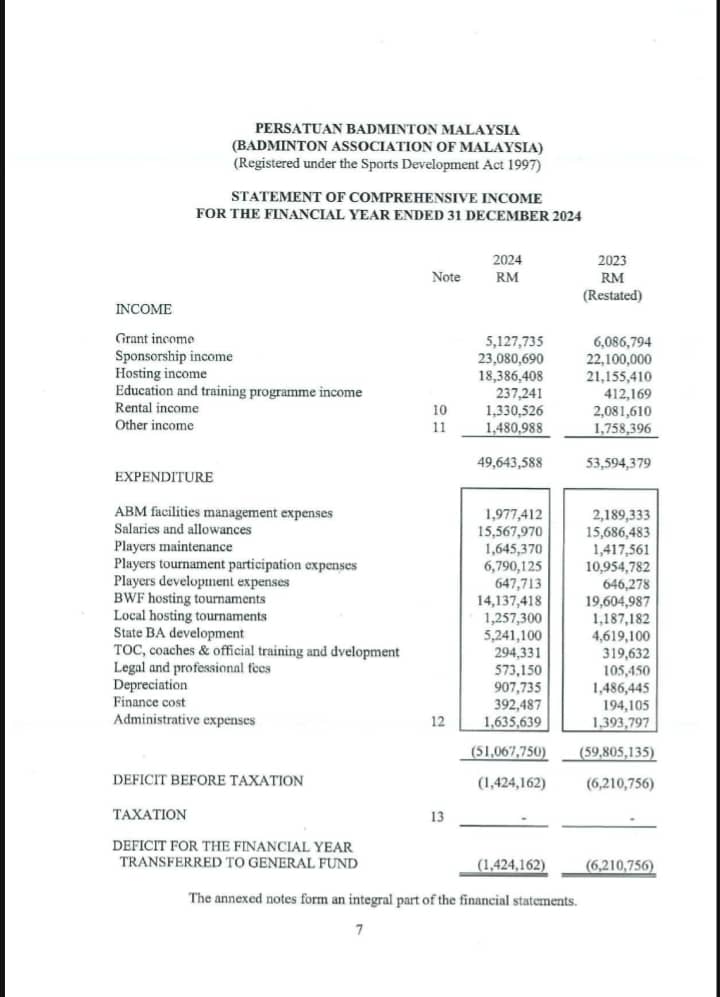
To support this point, I’ve attached figures from BAM’s 2024 audited financial report. With an income of just under RM50 million last year, the body spent over two-thirds of that on athlete-related expenditure—from salaries and allowances to facilities, tournament costs and development programmes.
Let me be clear: this piece is not intended to further erode the relationship between media and athletes. Come Tuesday and Friday, it’ll be the same journalists turning up at Akademi Badminton Malaysia, hoping to do their job professionally.
This isn’t personal. Well—maybe a tinge. But let it serve as a gentle reminder: when you next see cameras and microphones set up, don’t treat them as a nuisance. See them for what they are—an obligation to the public and a platform that helped build your career in the first place. — June 11, 2025
Fabian Peter is Scoop’s reporter