

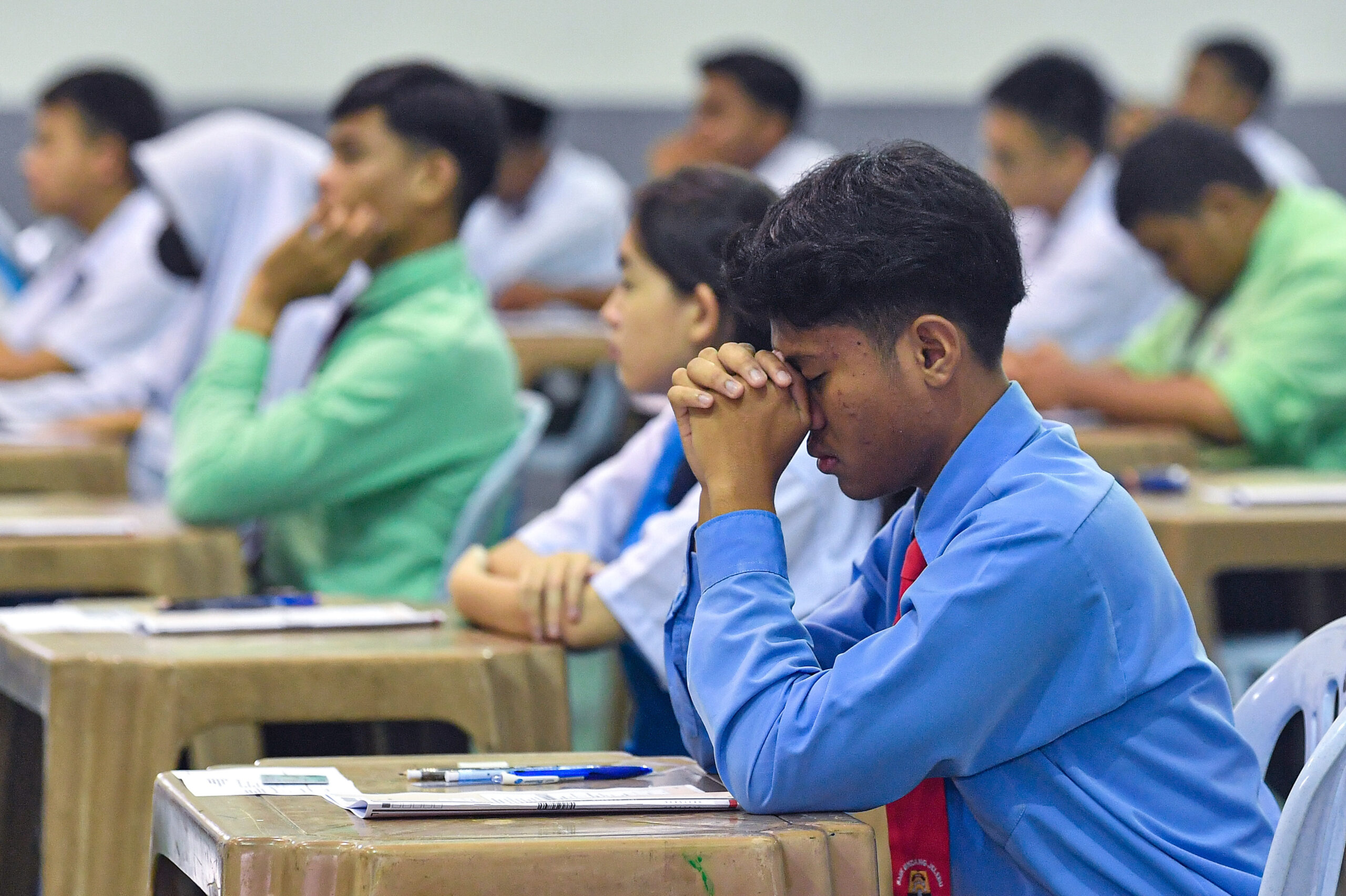

KUALA LUMPUR – The recent cases of student violence in secondary schools reflect deeper flaws in the nation’s education system, where emotional development is often sidelined in favour of academic success, says the Parent Action Group for Education (PAGE).
Speaking to Scoop, PAGE chairman Datin Noor Azimah Abdul Rahim said the environment in many schools and institutions remains rigid, overly authoritarian, and emotionally neglectful – a combination she believes is fuelling violent behaviour among students.
“These are symptoms of a deeper issue,” she said.
“An authoritarian educational culture that discourages questioning or emotional expression, and an overemphasis on academic results with little room for holistic growth.”
Earlier this year, a video showing seven MRSM students in Seberang Perai Selatan brutally bullying a classmate in a dorm room went viral on social media. The students have been identified and are being investigated under Section 323 of the Penal Code. Mara has pledged to expel those involved.
Another incident occurred at MRSM Besut, where six students were expelled on June 27 for physically assaulting a Form 2 student in a dormitory – further highlighting the alarming trend of violence and bullying in boarding schools.
For Noor Azimah, these cases underscore how emotional neglect and poor behavioural oversight have become blind spots in the education system.

“Students today are under immense pressure to succeed, but many haven’t been taught how to manage failure, anger or peer conflict,” she said.
“Many schools have just one counsellor for hundreds of students – and even then, most focus only on academics.”
She stressed that early behavioural intervention is crucial, but not possible without systemic reform. Among her suggestions: mandatory mental health education, stricter national policies on counsellor-student ratios, and trained wardens in boarding schools.
She also warned against a system that prioritises academic performance above all else.
“We can’t keep raising students to be obedient, high-scoring machines while ignoring their emotional well-being,” she said.
“It’s time we nurture not just smart individuals, but safe, self-aware and emotionally resilient young people.”
She further criticised the tendency among institutions to protect their image rather than address internal failings.
“Too many schools are afraid of reputational damage, which leads to underreporting or inaction,” she added.
“We need leadership that puts students first, not optics.”
Melaka Action Group for Parents in Education (Magpie) chairman Mak Chee Kin echoed similar concerns, pointing to violent online games and inconsistent parenting as major contributing factors to student aggression.
“Many of these kids grow up in negative environments, where violence is normal – whether at home or in the media they consume,” he told Scoop.
“Some online games are filled with shooting and killing. Without empathy, they think it’s fun. They copy what they see.”
Mak said parental responsibility plays a major role, especially when aggression is modelled at home. He also urged authorities to implement real safety measures in schools and hostels.
“Different families have different standards. What seems wrong to us may seem normal to them. That’s where the danger lies.”
He called for mandatory CCTV systems in all dormitories and better monitoring of students’ behaviour during off-hours.
“There needs to be accountability and prevention. Not just reacting after something goes wrong,” he said. – July 1, 2025