

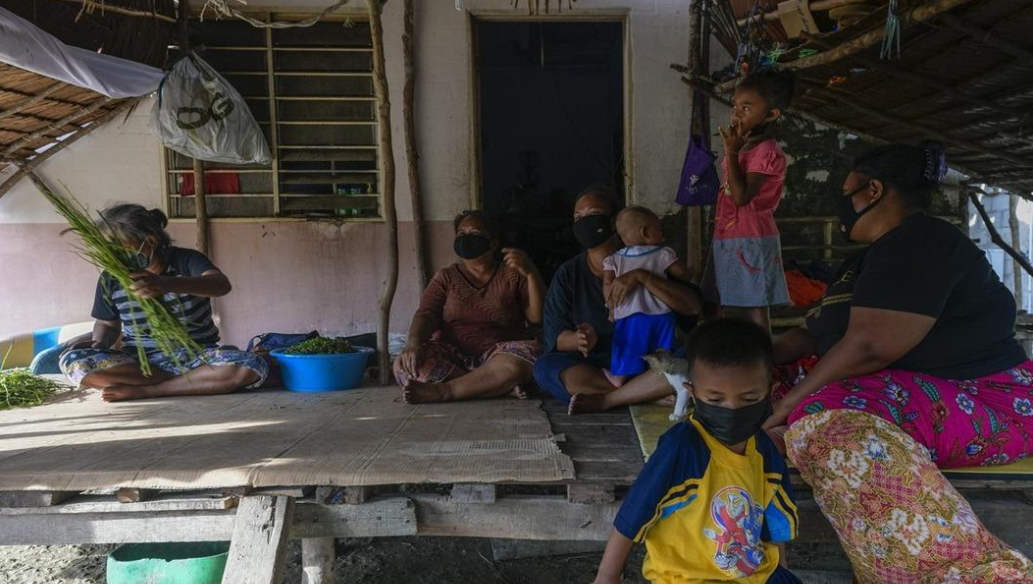

KUALA LUMPUR – Infighting over whether the word “Sakai” is offensive risks distracting Peninsular Malaysia’s Indigenous communities from more urgent concerns, particularly Putrajaya’s rushed push to amend the Aboriginal Peoples Act 1954, which could have lasting consequences on Orang Asli land, identity and autonomy, says Persatuan Mahasiswa Orang Asli Malaysia (PMOA) founder Shereen Abigael Ajani.
According to Shereen, the controversy erupted after Parliament Deputy Speaker Datuk Ramli Mohd Nor – Malaysia’s sole Orang Asli MP – was insulted online by a netizen who labelled him “Sakai” and compared him to “Tarzan”.
The remark triggered a strong backlash from the Orang Asli community, with several NGOs representing native groups calling for an outright ban on the use of the term “Sakai” in a press statement early last month.
However, Shereen took a different view — acknowledging the term’s hurtful history but urging the community to reclaim it rather than discard it.
“Historically, the word comes from Sanskrit and older Malay usage where it meant ‘friend’ or ‘person’, and it was once used to refer to all Orang Asli before the term Orang Asli even existed.
“We believe it’s time we reclaim it on our own terms, not let outsiders decide what we should be ashamed of,” Shereen told Scoop.
But for that stance, Shereen says her group has faced criticism from within the Orang Asli activist space for their #ProudSakai movement.
Instead of turning on each other, Shereen said the community should engage in civil discourse – especially with the government moving ahead with amendments to the Aboriginal Peoples Act 1954, a move she believes demands more scrutiny.
One of PMOA’s chief concerns is how the government has conducted the consultation process.
While Putrajaya has initiated outreach efforts, Shereen argues they fall short of meaningful engagement.
With over 800 Orang Asli villages across Peninsular Malaysia, she said generic surveys or online forms fail to meet the standard of proper consultation – particularly on a law that impacts land rights, governance and identity.

“There’s a real concern that this process doesn’t meet international standards.
“As a signatory to the UN Declaration on the Rights of Indigenous Peoples (Undrip), Malaysia is obligated to ensure Free, Prior, and Informed Consent (FPIC) before introducing laws that affect Indigenous communities.
“It feels like the government is making sure they tick all the boxes for formalities’ sake, but proper engagement is crucial. The Orang Asli don’t even know what the amendments are to give feedback.
“Currently, the consultation has been done by getting us to fill out a Google survey form with general questions,” Shereen added.
Colin Nicholas from the Centre for Orang Asli Concerns (COAC) shared similar concerns, describing the government’s approach as simplistic – and inadequate at this stage.
He said a single law cannot fully address the breadth of challenges faced by the Orang Asli community.
“Actually, with the help of lawyers, we have drafted a bill on how to address these issues.
“For example, if you want to address Orang Asli’s land issues, you should have separate and specific legislation for it, just like the Malay Reserve Enactments,” Colin said when contacted.
He also called for a separate law to deal with Orang Asli socio-economic matters, including reforms to existing institutions.
“The law should transform the Orang Asli Development Department (Jakoa) from an agency which has the power to control the community, to one that serves it instead.
“Instead of making decisions for the Orang Asli or choosing who represents them, Jakoa should be turned into a service agency and limit its power to providing services related to education, transportation and healthcare,” Colin explained.
While Colin agrees that concerns over the amendment of the Aboriginal Peoples Act deserve attention, he cautioned that the term “Sakai” remains widely rejected by the Orang Asli.
Although groups like PMOA have called for its reclamation, Colin said it remains a painful reminder of marginalisation and slavery.
“Yes, originally the word Sakai is derived from a Sanskrit term meaning friend or ally.
“But as time went by, the meaning changed, and the word carried with it a darker connotation for the Orang Asli community. If you want to make yourself an enemy of an Orang Asli, you use that word.
“We have talked about this before, but we are nevertheless still open to having a dialogue with those who disagree with us on this matter,” Colin added. – July 22, 2025