

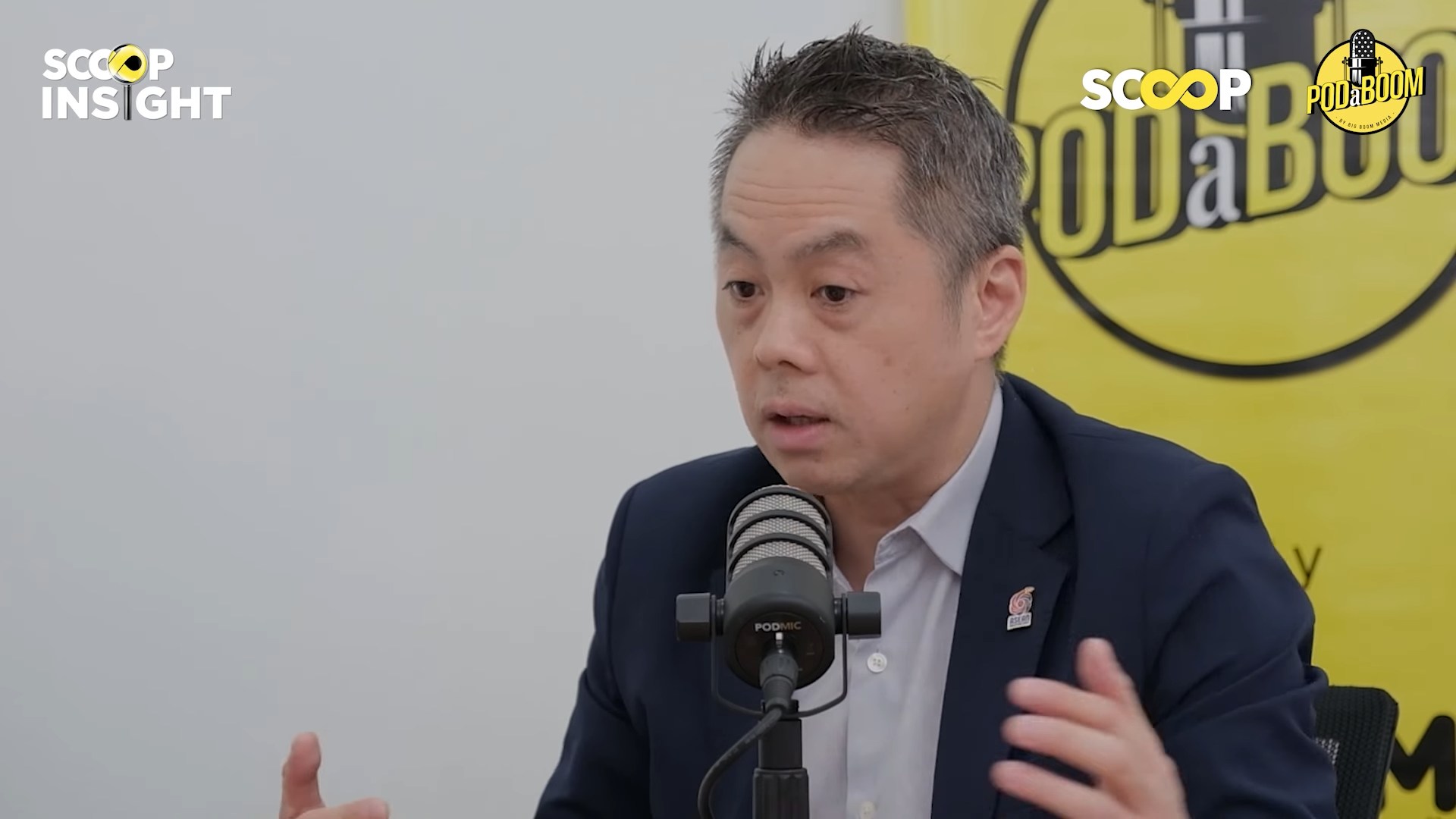

KUALA LUMPUR – Malaysia has nothing to fear in signing the Rome Statute, and doing so would not undermine the position or powers of the Yang di-Pertuan Agong or the Conference of Rulers.
This was made clear by Asean Intergovernmental Commission on Human Rights (AICHR) chairman Edmund Bon during the latest episode of Scoop Insight, where he joined host Azim Idris and Scoop editor-in-chief Terence Fernandez to talk about Asean’s human rights challenges and the gaps in international accountability.
Bon addressed the longstanding misconception that the Rome Statute – the treaty that established the International Criminal Court (ICC) – would somehow strip the constitutional monarch of his legal immunity.
“There’s nothing in the Rome Statute that affects the powers of the Yang di-Pertuan Agong or the rulers,” Bon said.
“Even the Attorney-General’s Chambers and the Foreign Ministry previously said we could sign it. But politically, some quarters turned it into an emotional issue.”
He added that if Malaysia had signed the statute, it could have taken stronger independent legal action over the Israeli government’s actions in Gaza, rather than relying on South Africa’s case at the ICC.
“It’s almost hypocritical to now demand that Benjamin Netanyahu be prosecuted for genocide in Gaza, when we didn’t even sign the Rome Statute ourselves,” Bon said.
In 2019, Putrajaya withdrew from ratifying the Rome Statute following backlash from groups claiming it would affect royal immunity and Malaysia’s sovereignty – concerns which Bon says were unfounded and politically motivated.
He explained that the ICC only acts when national governments are either unwilling or unable to investigate serious crimes like genocide, war crimes or crimes against humanity – none of which Malaysia is at risk of committing.
“I have full trust and confidence in our King and rulers. Malaysia is a peaceful country. We’ve never had the military turn on the people. We’ve never committed genocide or war crimes,” said Bon.
He also pointed out how Malaysia’s military has historically been seen as disciplined and respected, citing even the 2013 Lahad Datu incursion as an example of how national security was handled proportionately and within legal limits.
Bon stressed that Malaysia’s position as a progressive and peaceful country makes it more than ready to adopt the Rome Statute. He urged the current government to consider revisiting the issue, and to lead by example in the region.
“We don’t meet the threshold for the kinds of crimes covered under the Rome Statute. So why the fear?” he said.
“If we truly believe in justice and accountability – like we say we do for the Palestinians – then we should also take that step.”
The AICHR chairman also reflected on how human rights discourse in Malaysia is often politicised and misrepresented.
“Human rights are always an easy punching bag. People don’t talk about the right to life, education, food – the things we quietly work on every day,” he said.
Bon believes it’s time Malaysia walks the talk on global justice.
“It’s not about losing sovereignty. It’s about having the credibility to demand accountability, anywhere in the world,” he stressed.
Bon said the Rome Statute remains open for Malaysia to sign at any time – it’s just a matter of political will. – July 30, 2025