IN any democracy, the opposition’s role is crucial for holding the government accountable, representing the people’s interests, and providing a viable alternative.
Unfortunately, our current opposition coalition seems to be falling short of these expectations. Rather than fulfilling their important responsibilities, they have engaged in superficial politics, missed key opportunities, and focused on self-serving actions, which leave many Malaysians feeling disenchanted.
To begin with, they are not addressing the right issues or rather asking the right and smart questions surrounding challenges such as the rising cost of living, implementation of the SST, deficiencies in healthcare and education.
Yet, the opposition seems more interested in gaining political leverage than in demanding meaningful responses from the Madani government.
When was the last time the opposition presented a thoughtful and constructive critique of policies that garnered positive attention?
If they wish to be taken seriously, they need to focus on challenging policies rather than personalities.
Additionally, their inability to provide effective checks and balances has allowed the government to operate without sufficient scrutiny.
In fact, the Government backbenchers’ block is doing a better job, with the likes of MCA president Datuk Seri Wee Ka Siong, MIC deputy president Datuk Seri M. Saravanan, and Pandan MP Datuk Seri Rafizi Ramli keeping their own unity government on their toes.
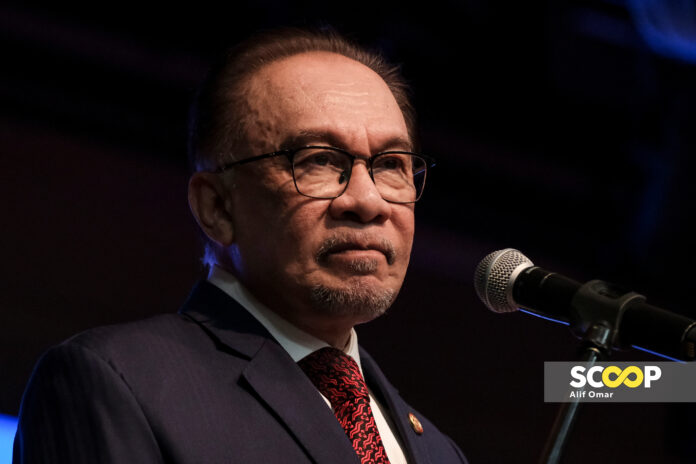
Yes. Prime Minister Datuk Seri Anwar Ibrahim’s administration is not without its flaws.
There are valid concerns regarding the cost of living, distribution of resources, EPF reform, subsidy cuts, governance in GLCs, and fears that his fight against corruption is not gaining momentum.
Yet, the opposition often misses these opportunities or provides only superficial critiques without any follow-up.
Instead of offering alternative budgets or proposals, they have become noise-makers rather than lawmakers.
Moreover, there is the problem of excessive politicisation. Almost every issue in Malaysia—be it the price of rice, road projects, or education policies—becomes a political battleground.
The opposition is particularly guilty of exploiting every headline to energise their base, rather than seeking common ground that would benefit all Malaysians. This divisive strategy is wearing out the public and alienating the very voters they aim to attract.
Even more concerning is their failure to advocate for the rakyat. The only people who are playing the devil’s advocate are those within the Unity Government.
They are doing the checks and balances instead of the opposition coalition.
Silence, or at best, slogans. Malaysians are no longer satisfied with mere chants of “reformasi”—they want tangible results.
Now, we have the poorly conceived “Turun Anwar” rally.
Marketed as a protest against the Madani administration, it seems more like a political stunt led by PAS than a genuine reflection of public sentiment. This explains the poor turnout of non-Malays.
At a time when people are seeking economic solutions and policy reforms, the opposition is resorting to street theatre.
How does such a rally genuinely improve lives or tackle systemic issues? It doesn’t. It comes across as desperate.
Ironically, the one individual who demonstrated what an effective opposition looks like was Anwar during his time in opposition.
He was relentless, articulate, and impactful. He understood how to hold those in power accountable, ask pertinent questions, and engage the public on real issues.
Anwar had people like Rafizi, Tony Pua, Wong Chen and Tian Chua who could give alternative budgets and ideas immediately.
Let’s not forget that it was the opposition under Anwar which exposed the 1MDB scandal.
The effort it took them in their research and findings led to the downfall of Barisan National government in the 2018 elections.
Maybe, today’s opposition could benefit from his approach.
Unless they regroup, refocus, and start acting like a government-in-waiting, the opposition risks becoming irrelevant. Malaysia deserves a credible alternative. — August 6, 2025
T. Vignesh is the executive editor with Scoop