

KUALA LUMPUR — The government is considering new legislation to tackle concert ticket scalping, which officials say is driving up prices and hurting Malaysia’s entertainment industry.
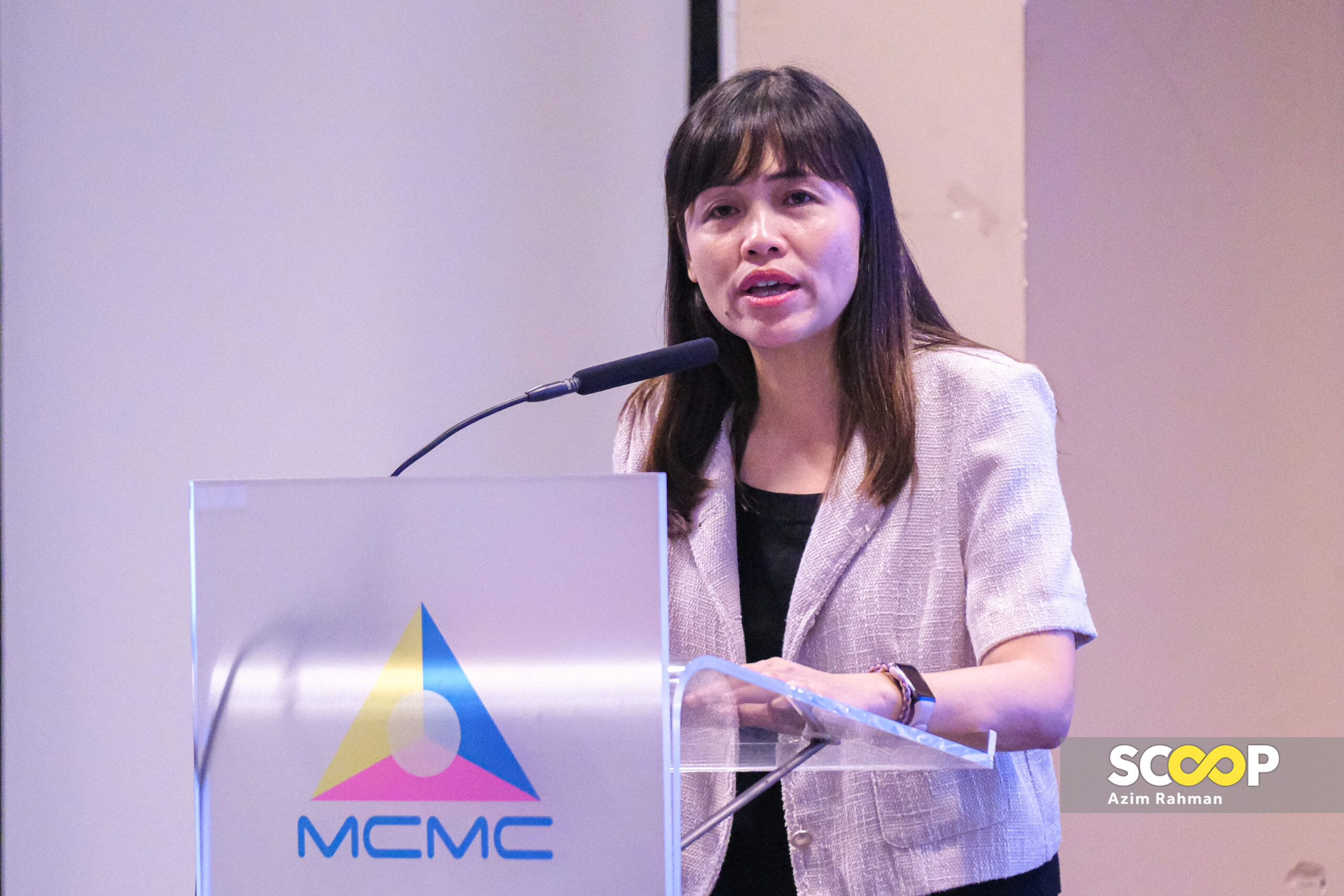
Deputy Communications Minister Teo Nie Ching said the Communications Ministry is working with the Domestic Trade and Cost of Living Ministry (KPDN) to address the problem, with KPDN reviewing potential measures, including a dedicated anti-scalping bill.
“We have also engaged with event organisers and ticketing companies to find the most suitable solution,” Teo told reporters at the Johor leg of the Madani MSME Digital Grant Festival 2025 in Permas Jaya, Johor Bahru, today.
The practice is particularly common at high-profile international concerts. Teo cited July’s K-pop rapper G-Dragon show, where tickets were resold at steep mark-ups, as an example.
On Friday, Teo chaired a meeting with KPDN and the Malaysian Communications and Multimedia Commission (MCMC) to gather input from enforcement agencies and study examples from countries with anti-scalping laws.
She said the aim was to develop enforcement strategies that could be applied in Malaysia, adding that unchecked scalping was damaging the industry and undermining fans’ access to live events. — August 10, 2025