

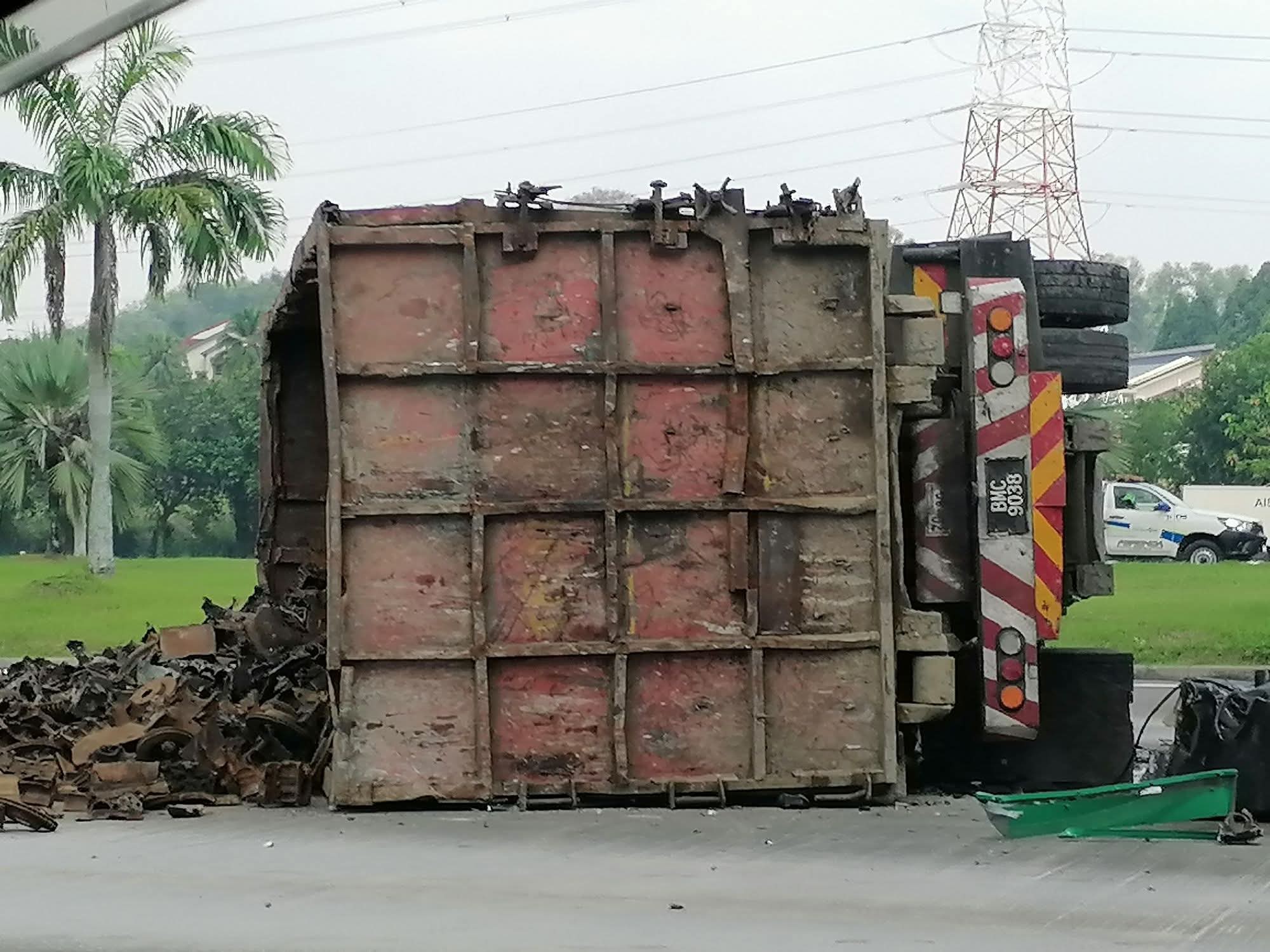


KUALA LUMPUR – Malaysia’s heavy vehicle inspection regime has been condemned as a “mere formality” plagued by weak enforcement and systemic failures, with road safety experts warning that long-ignored flaws are putting lives at risk.
Universiti Putra Malaysia’s Road Safety Research Centre head, Associate Professor Dr Law Teik Hua, said a culture of treating inspections as bureaucratic hurdles — compounded by corruption, inadequate surprise audits and minimal consequences for centres that pass unroadworthy vehicles — has stripped roadworthiness certificates of meaning and compromised public safety.
His comments follow a deadly collision on Saturday in which a lorry ploughed into several vehicles near the Bukit Kajang toll plaza, killing a toddler and injuring several others.
Police said initial investigations pointed to suspected brake failure — a recurring explanation in many heavy vehicle crashes.
Transport Minister Anthony Loke has since directed the Road Transport Department (JPJ) to step up roadside enforcement and pledged a review of the inspection framework to prevent similar tragedies.
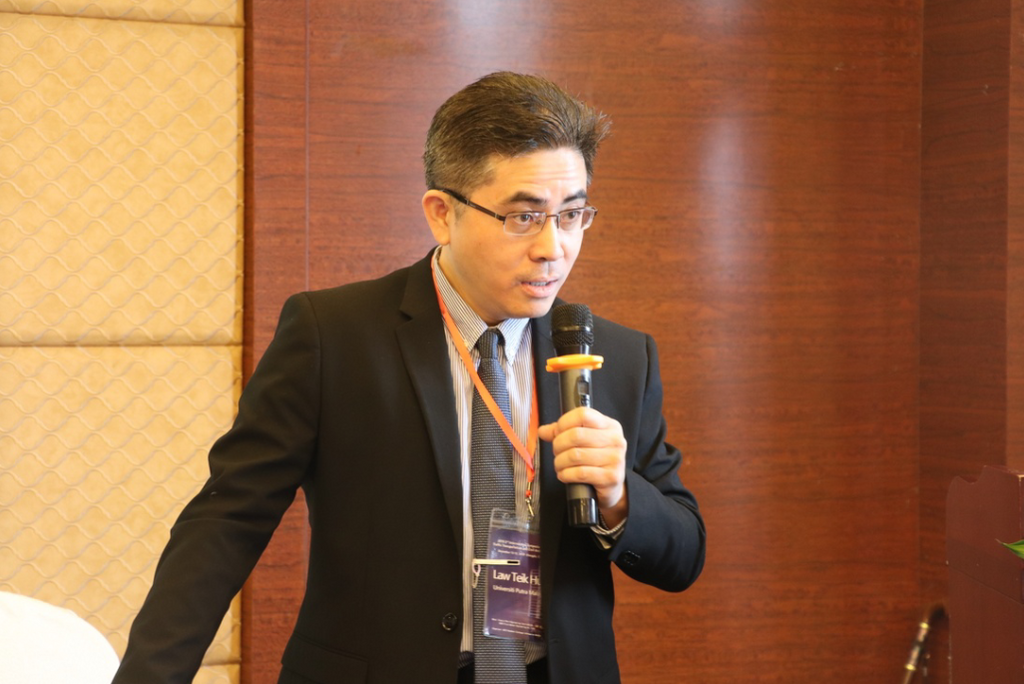
Speaking to Scoop, Law said repeated claims of “brake failure” highlight a reactive enforcement system that continues to fail.
“When brake failures keep happening, it proves inspections and road checks are not working,” he said. “Responsibility — from vehicle maintenance to certification — is being abdicated, and that failure is directly costing lives.”
Law added that the trucking industry’s deep-rooted structural weaknesses fuel chronic non-compliance.
A Malaysian Institute of Road Safety Research (Miros) study found only 4% of lorries meet the Industrial Code of Practice (ICOP) standards — a figure he said reflects systemic problems rather than isolated lapses.
“Unlike the express bus sector, the lorry industry is highly fragmented, with many small operators and independent owners operating on razor-thin margins,” he explained.
“High compliance costs, tight delivery schedules and weak enforcement push them to cut corners on safety.”
He argued Malaysia continues to prioritise the convenience of logistics firms over public safety, pointing to permissive attitudes towards overloaded and poorly maintained lorries and lax inspections.
“This creates a silent subsidy where industry profits are propped up by public health costs from preventable crashes,” he said.
Law urged authorities to tackle regulatory failures directly rather than shifting blame onto road users.
“Shaming victims distracts from the government’s responsibility to make society safe,” he said.
“Leadership is about reform, not rhetoric. Spontaneous lorry inspections, sting operations on inspection centres, heavy sanctions for offenders and strict liability laws must be part of the solution.”

Meanwhile, Miros chairman Professor Dr Wong Shaw Voon said Malaysia’s heavy vehicle inspection system must serve as a crucial safety checkpoint rather than an administrative box-ticking exercise.
He noted that periodic technical inspections (PTI), required every six months, test vital components such as brakes, tyres, steering and structural integrity — but inspections alone are insufficient without rigorous enforcement and oversight.
“Authorities cannot just sign contracts with inspection companies and assume everything will run smoothly,” he said.
“There must be continuous checks and balances to verify inspections are done thoroughly and consistently.”
Wong stressed that safety is a shared responsibility between regulators, inspection firms, operators and drivers.
“A poorly maintained vehicle is a killing machine,” he warned. “Unfortunately, many operators focus only on keeping their businesses running and overlook safety, not realising that one crash can destroy their reputation and credibility.” — September 30, 2025