


KUALA LUMPUR – Polis Diraja Malaysia (PDRM) is tightening cross-border enforcement amid growing concerns over international drug-smuggling syndicates using Malaysia as a transit hub.
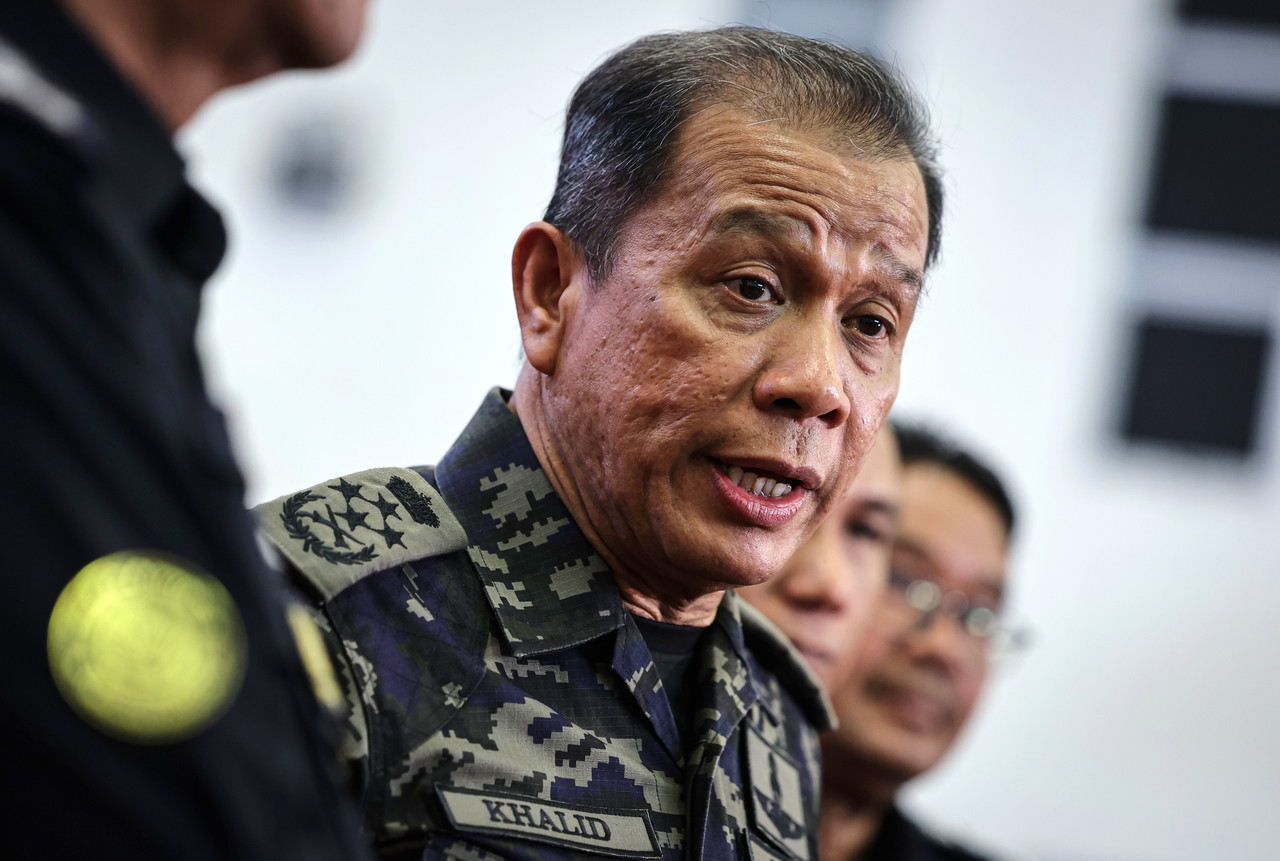
Inspector-General of Police Tan Sri Mohd Khalid Ismail said clamping down on transnational drug networks remains one of PDRM’s top priorities in safeguarding national security.
He said the Narcotics Crime Investigation Department (JSJN) continues to maintain strict surveillance on international drug-distribution networks.
“The main modus operandi used by these syndicates involves sea routes and cargo containers,” he said in a statement today.
Khalid revealed that one high-profile case involved the seizure of 336 kilogrammes of heroin by the Australian Border Force (ABF) on March 13, 2023.
“Joint investigations found that the container had transited through Port Klang before heading to its final destination in Australia.
“This incident became a key catalyst for strengthening regional intelligence-sharing and enforcement cooperation,” he said.
Following the case, PDRM and the Australian Federal Police (AFP) agreed to establish a Joint Taskforce during the INTERPOL General Assembly held in Glasgow, Scotland, on November 6, 2024.
According to him, the task force specifically targets transnational drug-trafficking syndicates operating between Malaysia and Australia, particularly those exploiting cargo-container services.
Khalid said the close cooperation under the Joint Taskforce has already yielded significant breakthroughs.
“One of the major successes came on 25 January, with the seizure of 33.2 tonnes of methamphetamine worth RM1.062 billion at Port Klang.
“The container was believed to have originated from Central Asia, transiting through Malaysia before being shipped to Australia.”
He said another major operation took place on November 7 this year, involving the confiscation of 45 kilogrammes of methamphetamine worth RM1.44 million.
The drugs had been concealed in a hidden compartment at the top of a cargo container, also from Central Asia and transiting through Port Klang en route to Australia.
“These strategic operations demonstrate PDRM’s capability and strong commitment to strengthening international intelligence partnerships in the fight against large-scale drug smuggling,” he said.
Khalid added that in line with Prime Minister Datuk Seri Anwar Ibrahim’s firm stance, PDRM will not compromise with any party that violates the law or threatens national security.
He stressed that PDRM will continue intensifying intelligence work, operations, and international collaboration to ensure every form of drug-related threat can be curbed effectively and continuously.
It was reported that Prime Minister Anwar Ibrahim has expressed strong condemnation of major drug cartels that have apparently operated in Malaysia for decades.
He said he “cannot tolerate major drug cartel operating for decades,” underscoring the Madani government’s all-out war on smuggling and entrenched criminal syndicates.
Anwar also called on enforcement agencies, including PDRM, the Malaysian Anti-Corruption Commission (MACC), and the Inland Revenue Board to act decisively against smuggling and cartel behaviour that have long undermined the nation’s economy – November 16, 2025