

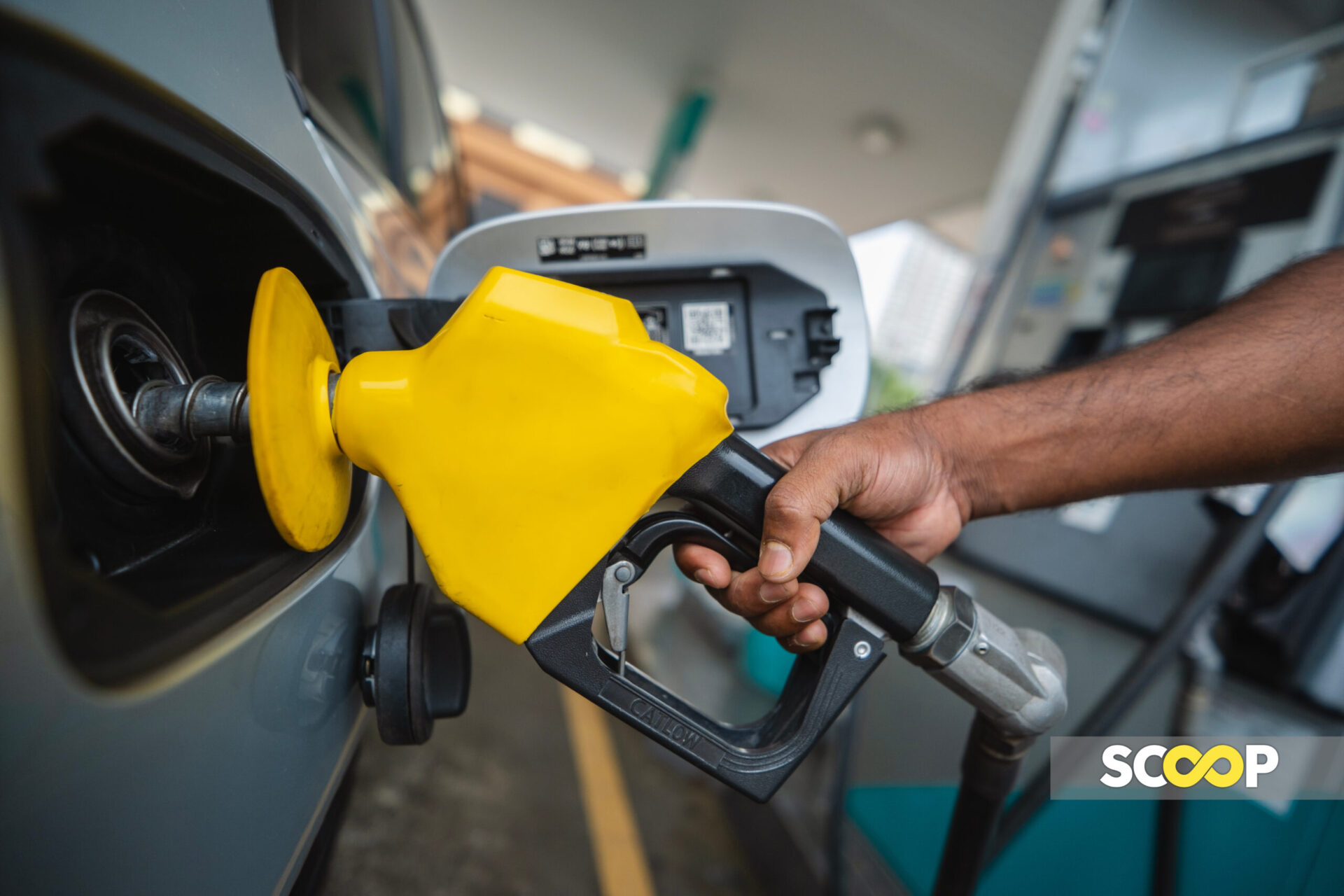
KUALA LUMPUR – Prime Minister Datuk Seri Anwar Ibrahim reaffirmed the government’s commitment to the targeted subsidy system for RON95 petrol under the BUDI MADANI RON95 (BUDI95) programme, rejecting the World Bank’s suggestion to raise prices to market rates.
Speaking during the tabling of the Supply Bill (2026) in the Dewan Negara today, Anwar emphasised that the targeted subsidy was a prudent policy, successfully reducing government spending without placing additional strain on the public.
“The World Bank’s proposal was to raise the price to RM2.65 per litre for all petrol, and then provide subsidies to certain categories. However, my Cabinet colleagues and I rejected this suggestion, opting instead to lower the RON95 price to RM1.99 per litre for Malaysian citizens and RM2.60 per litre for foreigners,” Anwar said.
He added that this move demonstrated the government’s careful approach and commitment to policies that directly benefit the people. “Alhamdulillah, the targeted RON95 subsidy throughout Malaysia has received a very positive response,” he noted.
As the Finance Minister, Anwar also highlighted the government’s broader efforts to target subsidies and curb waste. “Comprehensive targeting ensures that the majority of citizens continue to benefit from subsidies, while also reducing leakages to non-citizens and businesses,” he explained.
Anwar pointed to the government’s success in managing the prices of chicken and eggs after the subsidies were removed and prices floated. “The government ensured prices remained stable, supply was sufficient, and the people were not affected,” he said.
The MADANI government, he added, aimed to save approximately RM15.5 billion annually through the targeted subsidies on chicken, eggs, electricity, diesel, and RON95.
In his Budget 2026 speech, Anwar also stated that the government had opted against introducing new taxes, instead focusing on improving governance, targeting subsidies, and strengthening tax compliance.
“Normally, when additional spending is announced, the government would impose new taxes. But in this case, Malaysia can increase allocations without raising new taxes, thanks to targeted subsidies and other measures like savings and preventing leakages,” Anwar explained.
He also called on state governments to follow suit and exercise caution, ensuring that any new policies or taxes do not burden the people. – December 2, 2025