

I congratulate Datuk Seri Johari Abdul Ghani on his appointment as Minister of Investment, Trade and Industry, and I welcome his openness and stated intention to review the Malaysia-United States Agreement on Reciprocal Trade (ART), including renegotiating any terms that are unfair or detrimental to our national interest.
This is an agreement that has received considerable criticism from civil society organisations, political parties, and academics, particularly over transparency, policy space, and long-term implications for Malaysia.
However, any move towards ratification must be grounded in evidence and democratic process.
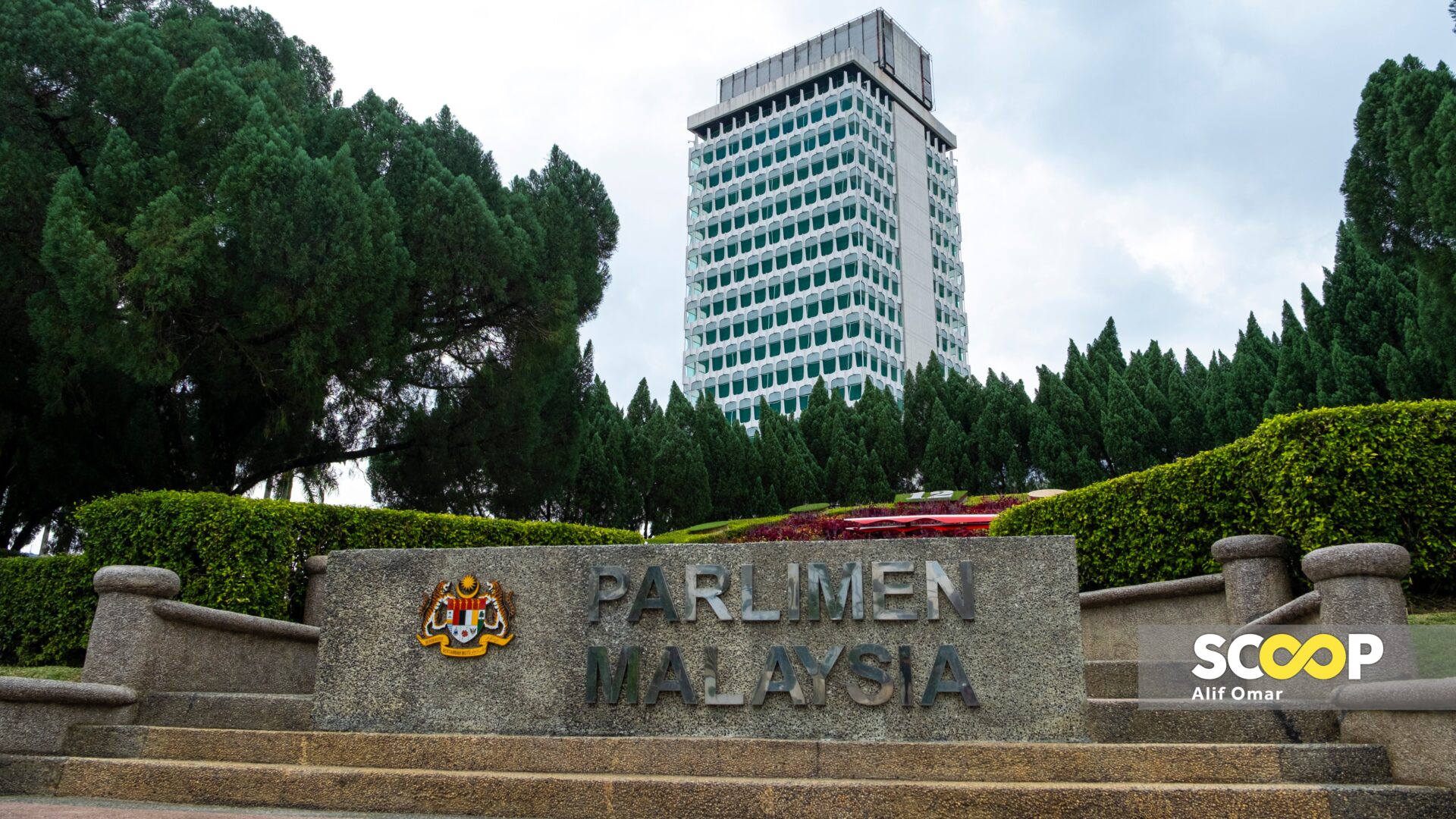
I propose that MITI undertake a comprehensive Cost–Benefit Analysis and a National Interest Study, both of which must be tabled in the August House and subjected to full parliamentary scrutiny before any decision is made.
This was done for previous agreements such as the TPPA and CPTPP under the Barisan Nasional and Perikatan Nasional governments respectively and is considered best practice in trade negotiations.
These studies must include a chapter-by-chapter assessment of economic and social impacts, including job gains and losses, effects on medicine prices and healthcare costs, implications for Bumiputera businesses and SMEs, halal industry, tariff revenue losses, distributional impacts across sectors and groups, and the extent of domestic legal and regulatory changes required, including alignment with United States laws and standards.
Until these studies are published and debated in Parliament, proceeding with ratification or publicly defending this agreement would be procedurally irresponsible and democratically indefensible.
Malaysians deserve to know who benefits, who bears the cost, and whether this agreement truly serves our economy, including business, workers, consumers, or primarily external interests.
Malaysia must not lock itself into commitments that narrow policy space, weaken democratic accountability, or compromise our economic future.
Proceeding without full disclosure, evidence-based assessment, and accountability to parliament would be a failure of governance and a breach of public trust.– December 20, 2025
Charles Santiago is former Klang MP