

KUALA LUMPUR — Malaysia has practised democratic governance since gaining independence from British colonial rule in 1957. Over the decades, several Prime Ministers have held office, often remaining in power until they named a successor or until voters demanded change through elections.
A notable example is former Prime Minister Tun Dr Mahathir Mohamad, who held the country’s top post for a combined total of 24 years over two separate terms.
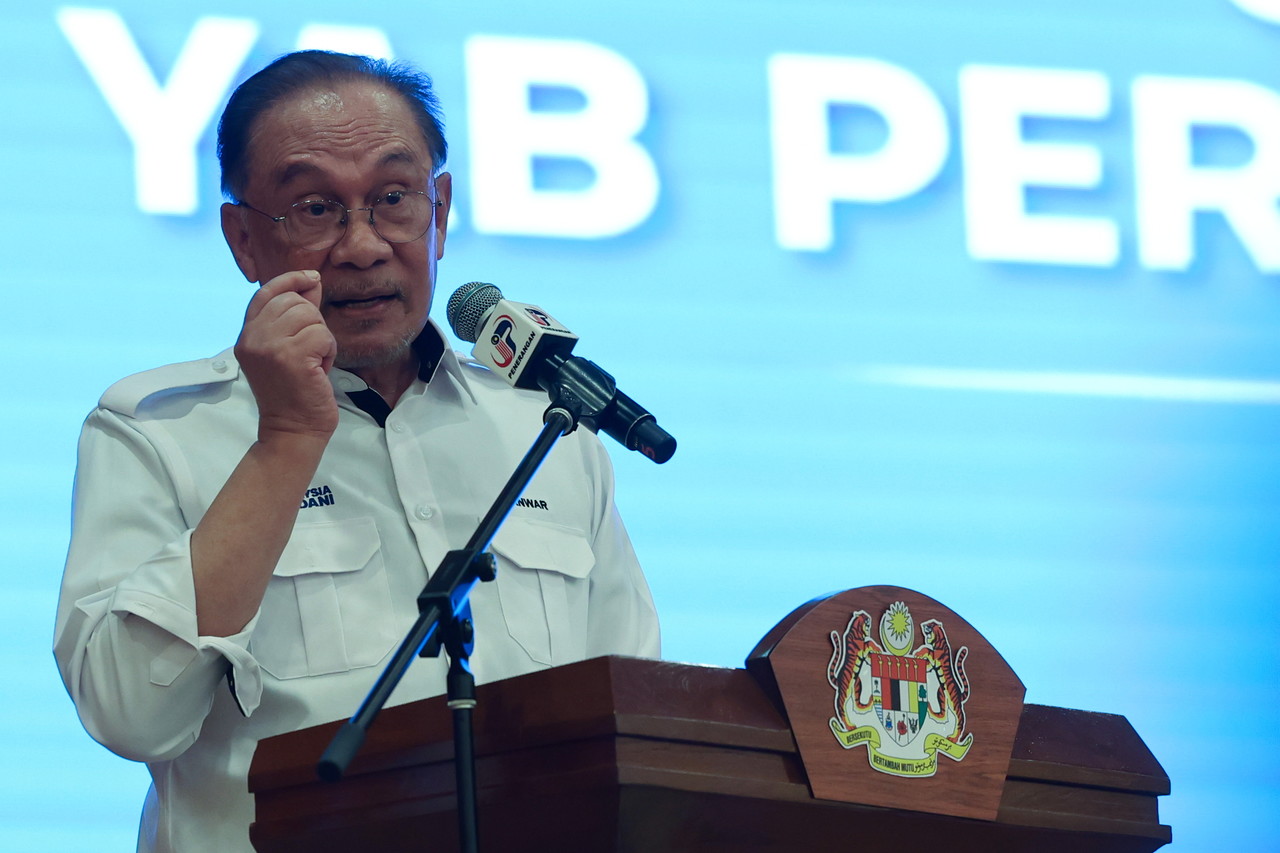
However, in his New Year’s Message this morning, Prime Minister Datuk Seri Anwar Ibrahim announced that a bill to limit the Prime Minister’s tenure to 10 years, or two terms, will be tabled during this year’s parliamentary session.

Commenting on the proposal, Senior Analyst and Consultant at Global Asia Consulting, Samirul Ariff Othman, said that if the bill is carefully designed, it could bring positive implications for Malaysia’s political system and economy.
“A term limit is fundamentally about reducing the concentration of power and improving the predictability of leadership transition. The fact that it is explicitly being pursued through legislation matters,” he said.
Samirul added that such a move could also enhance investor confidence by reducing key-person risk.
“This would definitely benefit long-horizon foreign direct investment (FDI) into Malaysia, particularly in regulated sectors.
“It could also help build stronger institutional credibility, improve perceptions of the rule of law, and reduce governance risk premia.
“Shorter political time horizons can tempt front-loaded populism. The solution is not to reject term limits, but to hard-wire policy continuity through multi-year fiscal rules, transparent project pipelines, independent oversight, open procurement data under freedom of information principles, and clear KPIs with outcome-based budgeting,” he told Scoop.
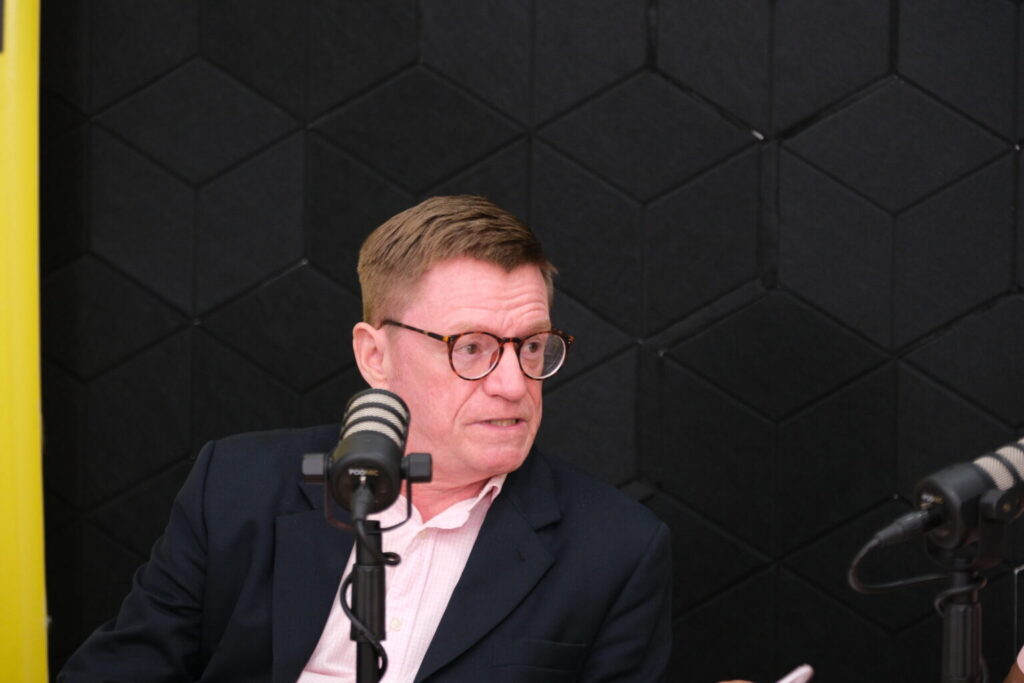
In contrast, Founder and Director of Williams Business Consultancy Sdn Bhd, Dr Geoffrey Williams, argued that a Prime Ministerial term limit is unnecessary.
He said recent history has shown that leadership changes can occur naturally through democratic processes, pointing to the three Prime Ministerial changes Malaysia experienced between 2020 and 2022.
“There are no obvious benefits to the economy or policymaking. In fact, it could create succession issues as the end of a Prime Minister’s term approaches,” Geoffrey said.
Earlier, during his announcement, Anwar noted that most positions of authority have term limits, and the same principle should apply to the office of the Prime Minister.
He said the proposed reform is aimed at encouraging leadership renewal and preventing the excessive concentration of power in a single individual over an extended period. — January 6, 2026