

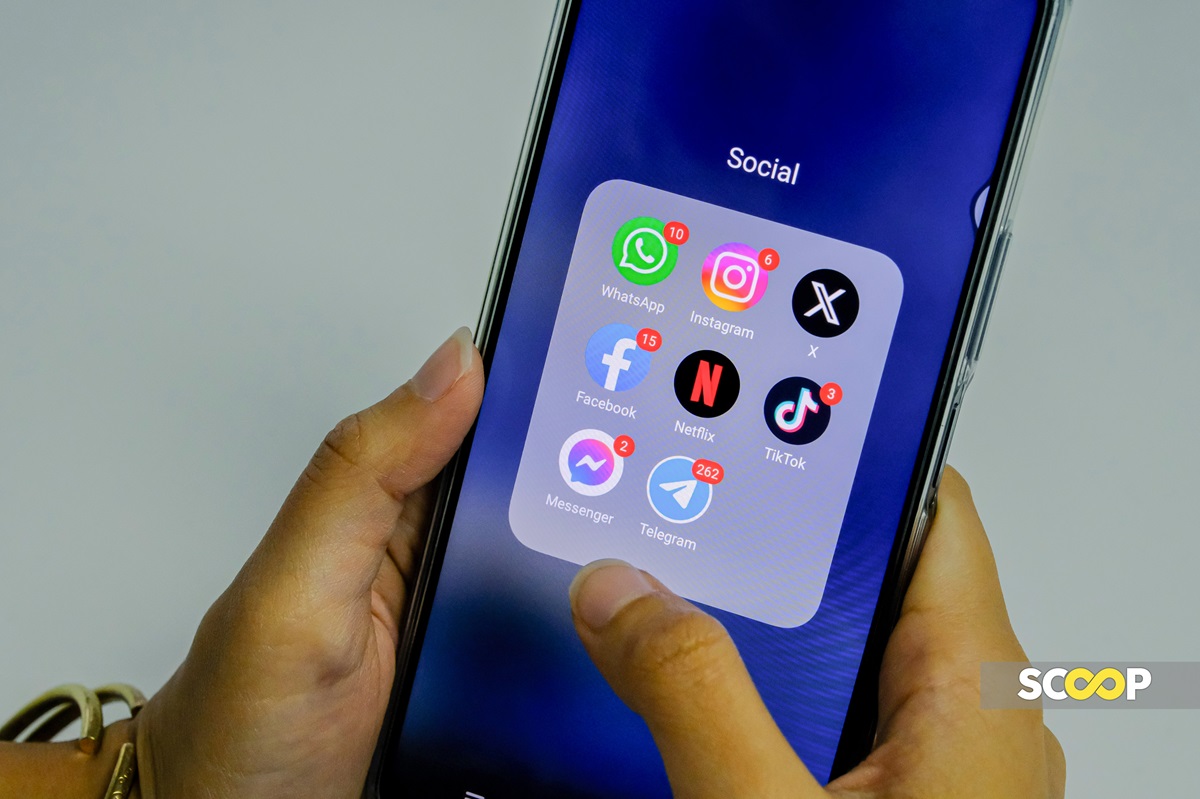

LET’S get this straight. Most parents and guardians are rather clueless about what those under their charge consume on social media. We see them transfixed by their digital devices, lost in the endless flow of content uploaded daily, from the useful to the wasteful, the intellectual or trash.
The various social media platforms are places for education, information, interaction, and entertainment, yet danger lurks in every bit and byte.
This is especially worrying for our kids. Last year, there were almost 900,000 cases of child sexual abuse material (CSAM), and at least four percent of our children or about 100,000, who used the internet were subjected to online sexual abuse. This is not only alarming but frightening. Child grooming, in which adults build trust and emotional connections with children to manipulate, exploit, and sexually abuse them, remains a serious concern.
Parents are largely kept in the dark, and our kids are especially vulnerable. Oftentimes, when tragedy strikes, it is already too late.
Then there is also the unrealistic depiction of youth, beauty, lifestyle, and wealth, which makes many feel inadequate. For children, this is compounded by teenage angst, forcing them into crippling pressure to conform to unrealistic ideals. Their already challenging formative years are made even harder when self-worth is measured by likes and comments, and humiliation can be very public.
It is a Herculean task to manage all this, even with the best efforts of regulators and authorities, such as the police and the Malaysia Communications and Multimedia Commission (MCMC), if predators with nefarious intent continue to prey on young and impressionable minds.
The Online Safety Act 2025 (ONSA) (Act 866), in force this year, strengthens digital platform regulation to protect users, especially children, from harmful content like CSAM, cyberbullying, and fraud.
Nevertheless, clearly, more enforcement is needed to curb paedophiles and groomers. Hence, Malaysia will follow the example of other nations in implementing rules and regulations restricting access to social media for those under 16 years of age. This is expected to come into effect by the middle of this year.
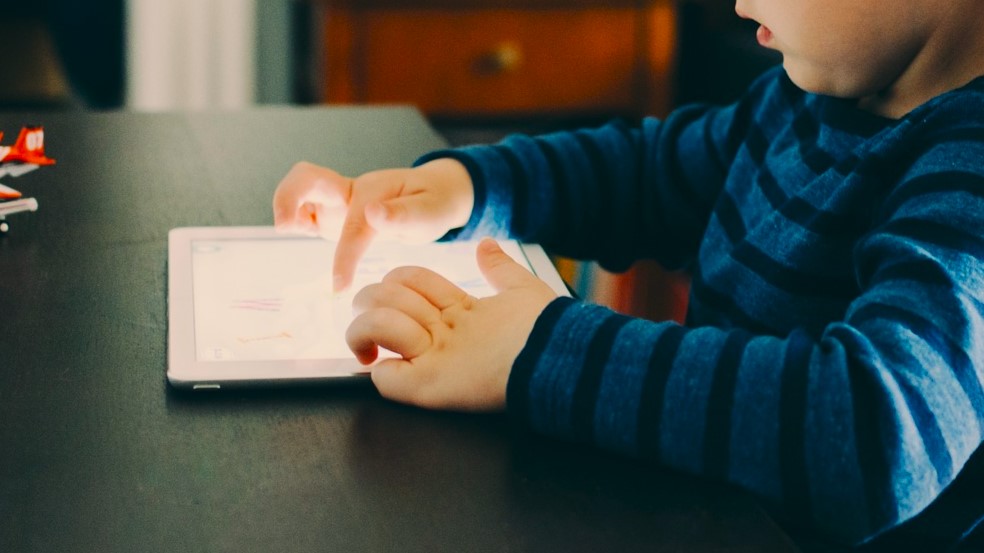
Worldwide, governments are moving from advisory measures to strict legal enforcement. For example, Australia and Spain have enacted laws banning anyone under 16 from having social media accounts. The United Kingdom is testing “blackout” measures for the under-16s. Even in the United States, at least 17 states are seeing laws passed, with some mandating parental consent for under-18s.
Studies have shown that heavy social media usage among under-16s can result in a significant mental health crisis, with increased rates of anxiety, depression, and body dysmorphia or intense preoccupation with imagined or minor flaws in physical appearance.
Thus far, the debate over children’s digital well-being has often been framed as helpless hair-pulling among parents about what they can do and how to police content they don’t really understand.
We are, of course, in a bind. While we need to expose children to the digital world, a life skill critical for the future, we also need to protect them from its dangers. How do we navigate the need to inform, educate, and prepare them for a future that is more fraught than now?
If we are truly concerned with the future health of our youth, we must move forward with the proposed implementation of a 16-year age limit for social media users. This is not censorship. It allows maturity to take its course. Before that, we must prepare our kids to address and evaluate the inundation of all kinds of content from the sacred to the profane, the factual to the false, from gems to garbage.
Consider the parallels with driving or consuming alcohol. We have rules and laws for these, and minors are prohibited from participating until they reach the respective age of consent. Many will flout these laws, driving without licenses or consuming alcohol at inappropriate ages. But that does not mean we abandon the rules and regulations because policing is challenging.
As adults, we have to behave as adults. We cannot abdicate our responsibilities by suggesting that any attempt to police our young would be unconstitutional or infringe on their rights. The old position is no longer tenable. It is, in fact, irresponsible.
Nevertheless, while we can enact laws to end targeted and systemic exploitation, we must acknowledge the limits of legislation. The ultimate line of defence for a child’s digital life must lie at home. No government policy or algorithm can replace the understanding a parent has of their own child.
There is always the counter-argument that a ban could push children to unregulated “dark” corners of the web, or that they will find workarounds and hide their digital lives entirely.
Yes, that is a risk. But there is a fundamental difference between a child taking the car keys for a joyride and an adult pouring them a mug of alcohol. A law provides an essential moral framework.
At the end of the day, digital literacy is a life skill, much like swimming or cooking an egg. It requires parental involvement and supervision. The law can shield a child from social media dangers until they are 16, but parents and guardians must hold their hands and guide them across the digital streets, teaching them how to recognise misinformation, protect their privacy, and behave responsibly online.
In the years before they turn 16, it is the responsibility of guardians and parents to impart these digital life skills, so that when the gates are opened, children are prepared for eventualities. You cannot keep a child away from the ocean until adulthood and then expect them to swim in turbulent waters.
An online safety act that protects our young from the clawed grasp of algorithms and the nefarious intent of content providers is not only necessary but long overdue. Let us not play politics with the future of our youth.
If we think only 18-year-olds can participate in the democratic process (previously 21) because they are presumably mature enough to determine who governs us, why should the same logic not apply to unrestricted access to the web?
We must accept that most of our youth are more digitally savvy than those responsible for their welfare, so there is a strong likelihood they will escape the prying eyes of parents.
Incidentally, the ban on under-16 access must be accompanied by efforts to make the many tools available to parents to monitor their kids’ digital consumption. These include tools like screen time limits, router filtering of offensive content, monitoring software, etc. – March 13, 2026
Datuk Zainul Arifin is the Chief Executive Officer of Big Boom Media, which publishes Scoop.my