

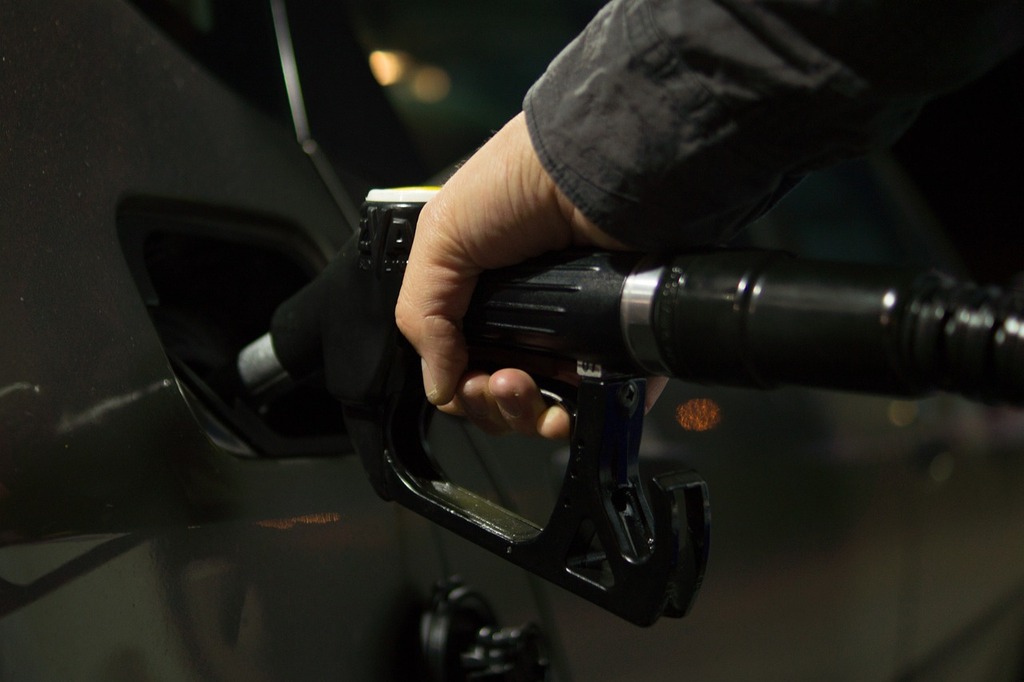
KUALA LUMPUR – Retail diesel prices in Peninsular Malaysia have risen by 80 sen to RM4.72 per litre, while prices in Sabah, Sarawak and Labuan remain at RM2.15 per litre for the period of March 19 to 25.
The Ministry of Finance (MOF) announced today that RON97 petrol has also been increased by 70 sen to RM4.55 per litre, while unsubsidised RON95 petrol remains at RM3.27 per litre for the same period.
Subsidised RON95 petrol under the BUDI95 programme will continue at RM1.99 per litre.
“Global crude oil prices have now exceeded US$100 per barrel since the outbreak of the West Asia conflict. In this situation, the MADANI Government is maintaining the subsidised RON95 price at RM1.99 per litre through BUDI95 to protect households, while market fuel prices are being adjusted gradually in line with global price increases since the crisis began at the end of February 2026,” the ministry said in a statement.
Crude oil prices could rise further from current levels of US$100–US$103 per barrel if the West Asia conflict continues to disrupt passage through the Strait of Hormuz, said Kpler senior crude oil analyst Muyu Xu.
Brent Crude is currently trading between US$101 and US$103 per barrel, while West Texas Intermediate (WTI) stands at around US$92–US$95 per barrel.
Xu noted that if the conflict concludes by mid-April, prices may quickly fall to between US$80 and US$90 per barrel.
“But if it drags on longer, oil prices would stay high or even higher as the supply tightness becomes more acute and it will take even more time for the West Asian producers to resume production,” she said during the Bernama World programme ‘Global Crude Oil Market Outlook Amid Geopolitical Tensions’ on Bernama TV.
“Oil producers in the region have cut output by at least 10 million barrels per day while Iran appears more resilient than expected despite military attacks by the United States and Israel,” Xu added.
She also cautioned that Asian countries could face demand destruction if the supply crunch and rising prices do not ease within the next three to four weeks.
Explaining recent oil movements, Xu said that from 1 to 17 March, only around 27 million barrels passed through the Strait of Hormuz, with approximately 20 million barrels coming from Iran.
“Other producers meanwhile only managed to ship out less than half a million barrels per day, roughly three per cent of their normal levels,” she said, adding that prolonged disruptions have factored geopolitical risks into crude pricing.
“Actually, it’s interesting that the market had anticipated a brief closure of the Strait of Hormuz before the war started, and many see this as the worst case scenario. However, the vital strait is not only closed now, it has remained closed for three weeks, cutting back on supply and exerting pressure on prices. Because Iran appears more resilient than what many had expected, there seems to be no quick end to this conflict, so more risk premium has been priced in, starting from initially US$5 to US$10, now to US$15 to US$20. Potentially, it can go even higher,” she said. – March 18, 2026