

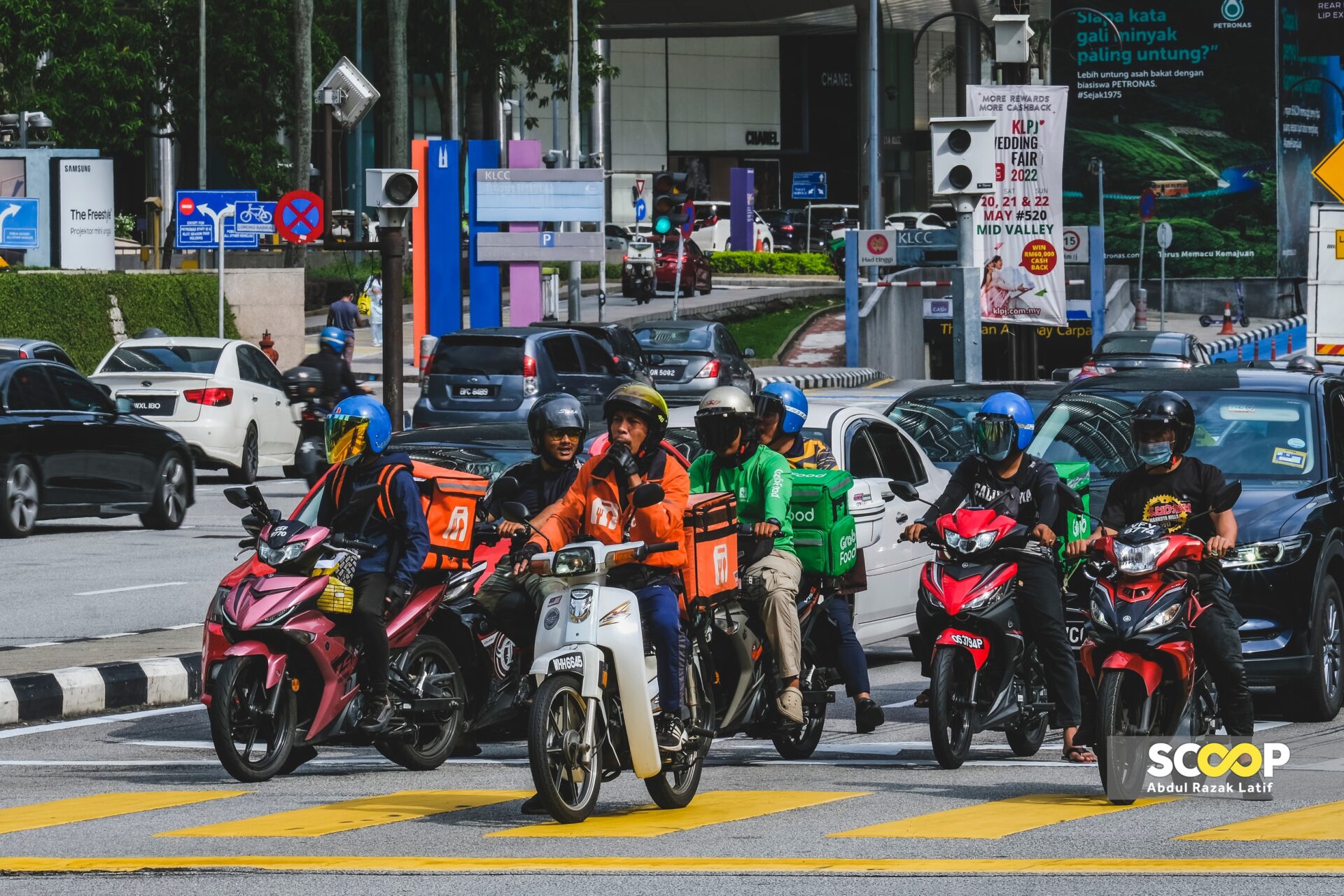

KUALA LUMPUR – A coalition of non-governmental organisations (NGOs) has called on the government to immediately postpone the implementation of the Gig Workers Bill 2025, scheduled for the end of this month.
In a joint statement, the coalition, comprising eight NGOs, urged the establishment of a ‘sandbox’ committee to allow comprehensive improvements to the legislation.
“This is not the first time a bill has been deferred or withdrawn after public feedback. Postponing legislation for the benefit and welfare of citizens is neither unusual nor unprecedented in Parliament,” the statement said.
“Government must return to the negotiating table, engage transparently with all stakeholders, and ensure that the legislation to be enforced truly safeguards consumers and protects the income of workers, rather than adding bureaucratic hurdles and financial burdens,” it added.
The coalition includes the Malaysian P-Hailing Delivery Association, Melaka Delivery Partners Association, Kedah Delivery Partners Association, Perak Motorcycle Delivery Welfare Association, and GiG Energy Organisation of Melaka. It also comprises the Malaysian Digital GiG Economic Activists Organisation, Melaka Digital Economy Association, and Malaysian E-Hailing Industry Workers Welfare Association.
The NGOs emphasised that the government, particularly the Human Resources Ministry (Kesuma), should address their concerns to prevent gaps in enforcement that could undermine public confidence.
Among the issues raised was the haste by a previous Kesuma minister to push the bill through Parliament despite evident shortcomings, as highlighted during recent consultations with the Department of Labour Peninsular Malaysia (JTKSM).
“Government must acknowledge the gaps and weaknesses in Act 872, and we recommend a wise approach by deferring it. We do not want the entire civil service as implementers, or gig workers, to bear negative impacts due to the populist tendencies or ego of a single minister,” the coalition said.
The group reiterated that it does not oppose the creation of such legislation but insists that any drafting must be comprehensive, consider critical aspects, and avoid rushed or reactive measures.
The coalition noted that Act 872 allows permanent residents (PRs) to participate in e-hailing and p-hailing sectors, adding enforcement challenges and potentially reducing the earnings of existing drivers and delivery workers.
“Consultations with JTKSM on 11 March 2026 revealed that Kesuma representatives had not fully reviewed Act 715, even though Act 872 had already been passed in Parliament. What, then, is the purpose of 40 consultations involving almost 4,000 stakeholders, as stated by the minister?” the statement questioned.
Rising insurance premiums
Gig workers are reportedly burdened by commercial insurance premiums that have surged by as much as 178%. Despite engagement with platforms and insurers, no satisfactory resolution has been reached, worsening the cost-of-living pressures, particularly for e-hailing workers who do not receive additional RON95 subsidies.
The NGOs expressed concern over proposals that would delay platform action against drivers involved in serious complaints or police reports by up to 14 days, potentially compromising passenger safety. They also highlighted weaknesses in automated enforcement and data-sharing systems across authorities.
The coalition also warned that formal recognition of the gig sector under this bill could expose workers—mostly from B40 and M40 income groups—to income tax structures unsuitable for the irregular and high-risk nature of gig work.
“Imposing a formal taxation framework on volatile gig earnings constitutes a form of systemic oppression,” the statement said. – March 19, 2026