

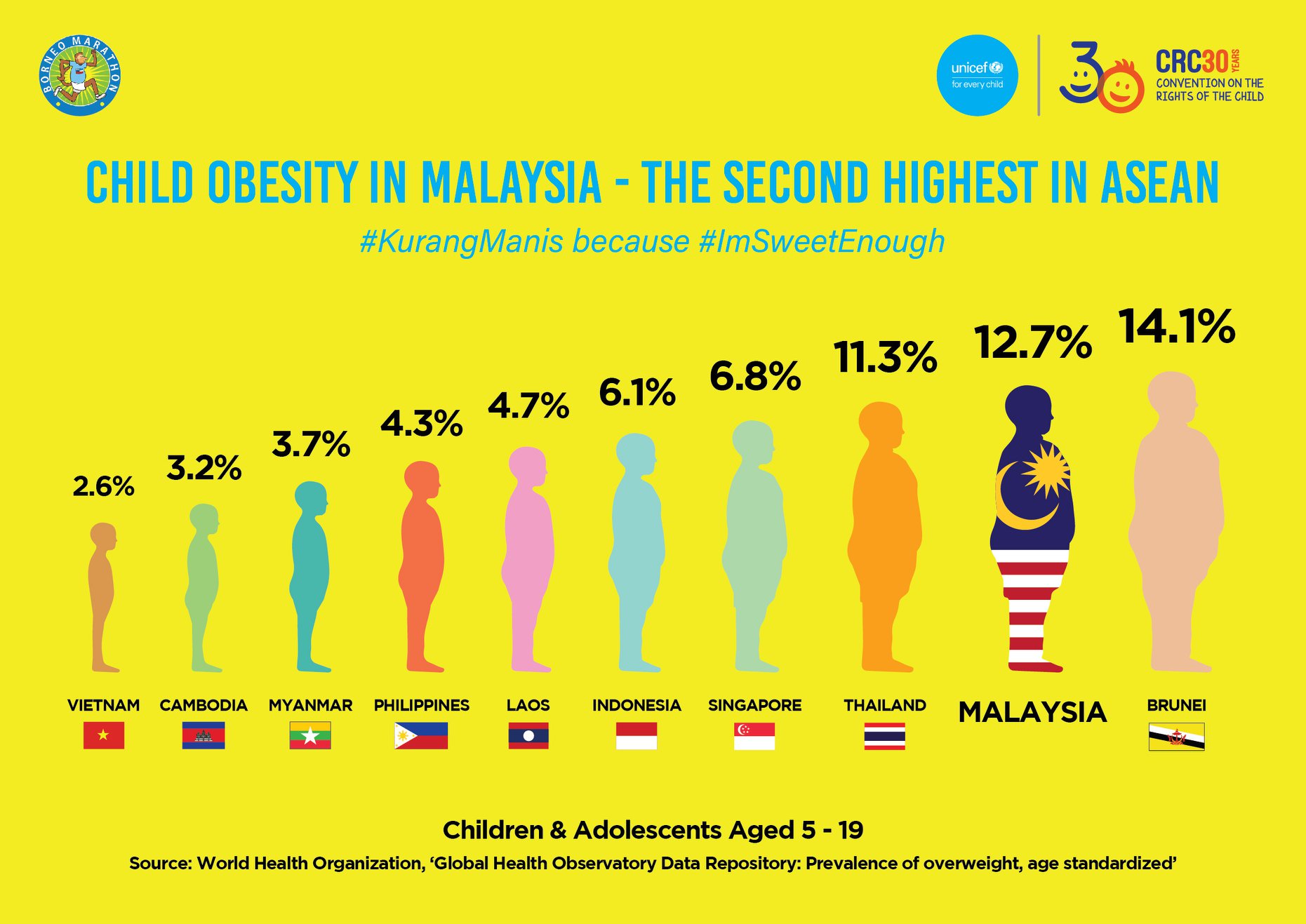
KUALA LUMPUR — More than 2.85 million Malaysian children aged five to 19 are currently overweight or living with obesity, according to the World Obesity Federation (WOF), raising concerns over a growing public health crisis.
The warning comes as Malaysians celebrate Hari Raya Aidilfitri, a festive occasion marked by open houses, traditional dishes, and sweet treats.
According to the World Obesity Atlas 2026, countries worldwide have already missed the 2025 target to halt the rise in childhood obesity and remain off track even with an extended 2030 timeline.
In Malaysia, projections show that the number of children who are overweight or living with obesity could exceed 3.1 million by 2040.
The report also estimates that more than 680,000 Malaysian children may show early signs of hypertension and cardiovascular conditions by that year.
Dr Carollyn Kek Chee Yen, president-elect of the Private Medical Practitioners’ Association of Selangor and Kuala Lumpur (PMPASKL), said misconceptions about childhood obesity remain widespread.
“The ‘chubby is cute’ narrative is very strong, but the projected healthcare spending on non-communicable diseases is far from encouraging,” she said, noting that while some children appear to lose weight during growth spurts, the biological reality is more complex.

Fat cells formed in childhood often remain into adulthood and can make weight management more difficult over time, she explained.
“Waiting for children to grow out of excess weight is like slowly tearing a hangnail — the damage starts early, widens over time, and does not end well,” she said.
Globally, WOF has urged governments to strengthen prevention efforts to curb childhood obesity.
“The increase in childhood obesity worldwide shows we have failed to take seriously a disease that affects one in five children,” said WOF chief executive Johanna Ralston. She called for stronger policies such as higher taxes on sweetened beverages, limits on unhealthy food advertising, and more access to physical activity.
While festive seasons such as Hari Raya often involve food-heavy gatherings and overeating, Kek said families can still enjoy the celebrations without overindulging.
Parents are advised to discourage children from snacking before main meals when visiting relatives and to prioritise proper meals over excessive consumption of “kuih raya”.
Portion control is also important. Children should use smaller plates and cups while avoiding repeated servings or piling snacks excessively.
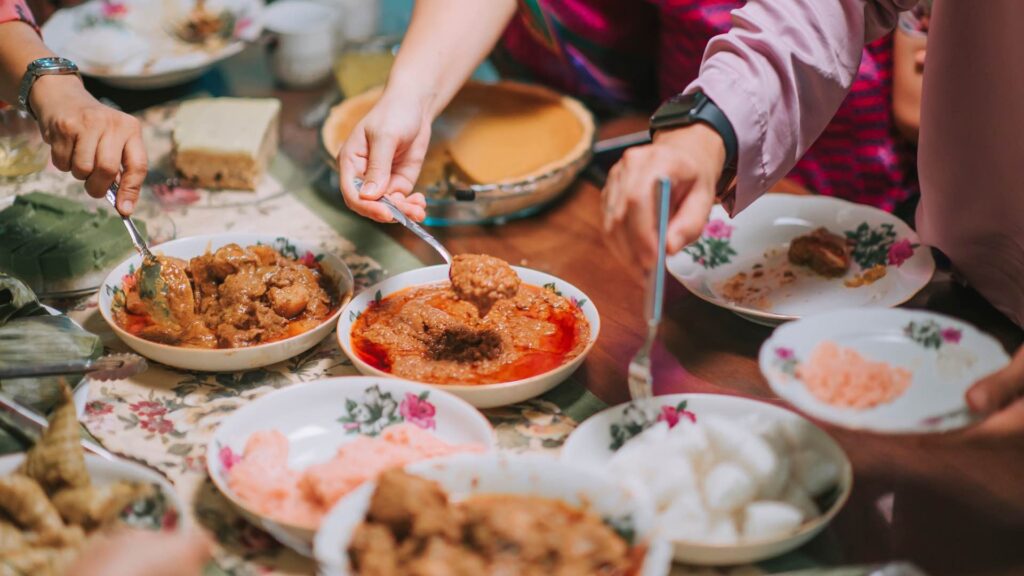
Simple habits can help promote healthier choices, such as drinking a glass of water before consuming sugary beverages.
Economic constraints can also influence food choices, as ultra-processed foods are often cheaper than fresh produce. However, Kek noted that healthy eating does not require expensive or imported ingredients.
Local vegetables such as bayam (Chinese spinach), sayur manis (sweet leaf), and kangkung (water spinach) are nutrient-dense and affordable.
Similarly, papayas, bananas, mangoes, and other seasonal fruits remain reasonably priced and can be incorporated into daily snacks.
“I personally freeze ripe bananas and blend them with milk and whatever fruits I have on hand. The result is a naturally sweet and nutrient-dense smoothie,” she said.
Beyond diet, she stressed that family lifestyle habits play a crucial role in shaping children’s eating behaviours and curbing obesity.
“Kids see, kids do,” she said, noting that limiting sugary drinks at home, ensuring adequate sleep, and reducing screen time during meals can help establish healthier routines.
As families spend time together during Hari Raya, mindful eating and balanced portions can help ensure festive indulgence does not translate into long-term health risks for children. – March 22, 2026