

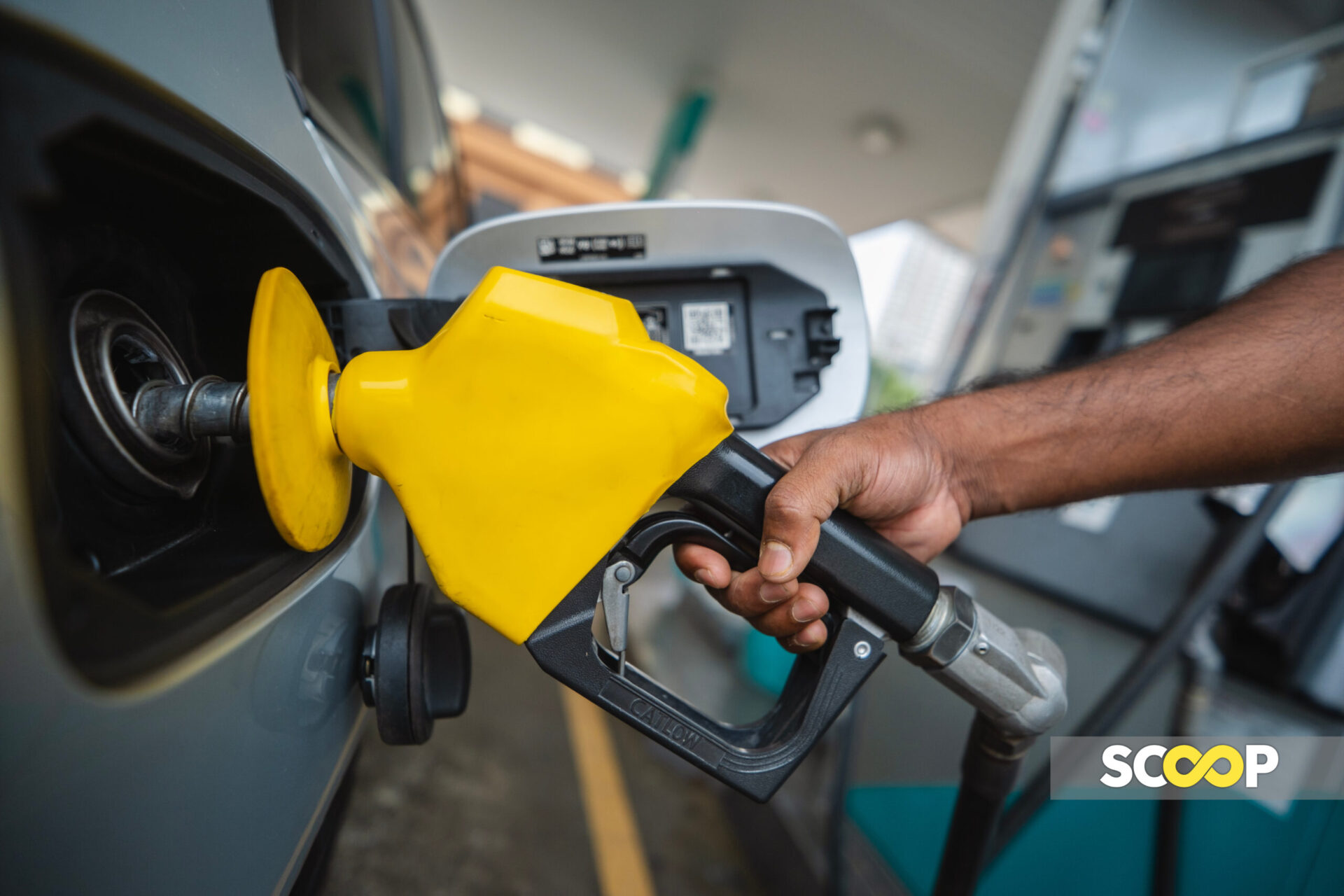
KUALA LUMPUR – The government’s temporary adjustment to the fuel subsidy mechanism is a calculated move to balance public welfare with fiscal discipline amid geopolitical uncertainty in West Asia, analysts say.
Universiti Teknologi MARA (UiTM) senior lecturer Mujibu Abd Muis described the revision to the Budi Madani RON95 (Budi95) programme, effective April 1, as a necessary step towards targeted subsidies that reduce leakage and optimise government spending.
“In principle, this is a responsive and appropriate measure, especially given global energy price volatility,” he said.
He noted that tensions in West Asia continue to exert pressure on global fuel prices, and while such interventions cannot fully offset the impact, targeted subsidies and price controls can help cushion vulnerable groups.
“In the current economic climate, blanket subsidies are no longer sustainable. Moving towards targeted subsidies is a necessary reform, even if it is unpopular,” he told Bernama.
On Thursday, Prime Minister Datuk Seri Anwar Ibrahim announced several measures to strengthen Malaysia’s preparedness for a potential global energy crisis. These include maintaining the subsidised price of Budi95 petrol at RM1.99 per litre, while temporarily reducing the monthly quota from 300 litres to 200 litres.
The government will also retain the subsidy ceiling of up to 800 litres for e-hailing and gig workers, maintain diesel prices in Sabah and Sarawak at RM2.15 per litre, and allow phased and selective work-from-home arrangements in the public sector.
Mujibu cautioned that the policy may affect the so-called “squeezed middle” – those who are not classified as poor but consume more than 300 litres monthly.
He suggested introducing an appeal mechanism or conditional flexibility to ensure fairness without undermining fiscal objectives.
“The key challenge is maintaining public trust and ensuring people understand the rationale behind these short-term sacrifices,” he said.
He also warned that misleading narratives could distort public perception and weaken economic confidence, stressing the need for fact-based discourse over political rhetoric during periods of crisis.
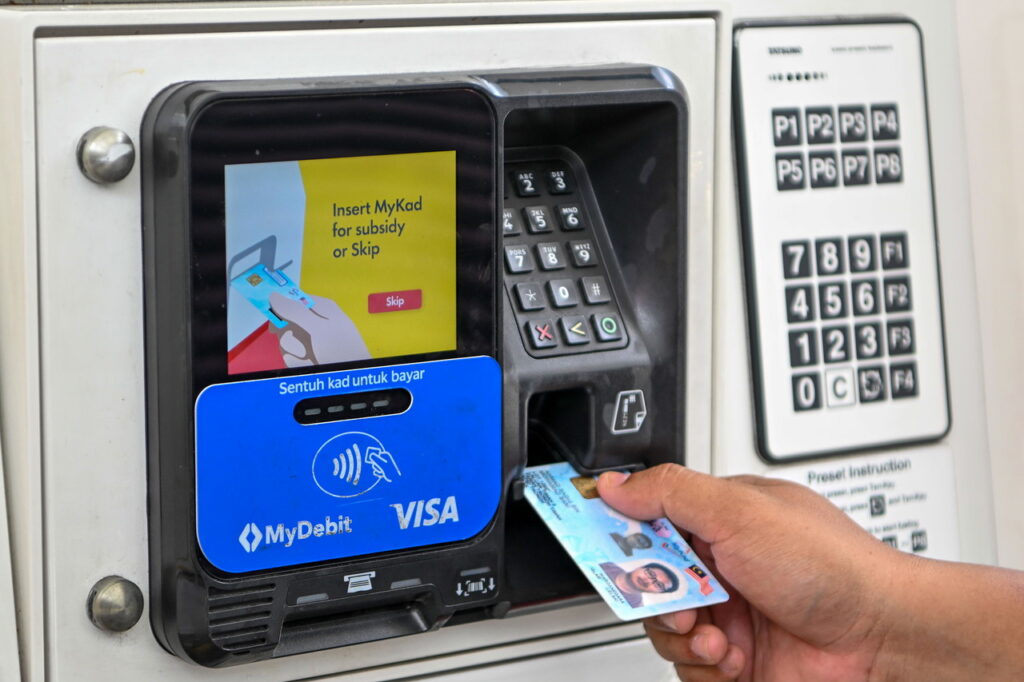
Meanwhile, the Federation of Malaysian Consumers Associations (FOMCA) said maintaining the subsidised price of Budi95 petrol helps shield consumers from cascading price increases and ease cost-of-living pressures.
Its chief executive officer, Dr T. Saravanan, said the move offers short-term relief and stabilises sentiment, but emphasised that long-term solutions require broader structural reforms.
“Improved subsidy targeting and integrated data systems are crucial to ensure aid reaches those who truly need it, including segments of the M40 and informal workers who may be overlooked,” he said.
Saravanan added that maintaining diesel prices in Sabah and Sarawak is vital for controlling logistics costs, though deeper issues such as supply chain inefficiencies and the role of intermediaries must also be addressed.
He noted that while some increase in goods and services prices may be unavoidable, authorities must act against any unjustified or exploitative hikes.
Echoing similar views, economist Associate Professor Dr Zainizam Zakariya said the government is attempting to balance three competing priorities – protecting the public, managing the fiscal deficit, and ensuring fuel supply stability.
“From a public economics standpoint, this move is justified given the rapid rise in subsidy expenditure,” he said.
Zainizam added that the impact of the adjustment will vary, noting that about 90 per cent of eligible users consume less than 200 litres of petrol monthly, meaning most will not be directly affected.
“However, those who rely heavily on private vehicles – such as long-distance commuters, rural households, or those with limited access to public transport – may feel the additional burden,” he said. – March 28, 2026