

KUALA LUMPUR – The safe passage of Malaysian oil tankers through the Strait of Hormuz has eased immediate concerns over fuel supply, but economists caution that the broader impact on prices and long-term stability remains limited.
Seven Malaysian vessels, including oil tankers, have been allowed to sail through the strategic waterway by the Iranian government and are now making their way home.
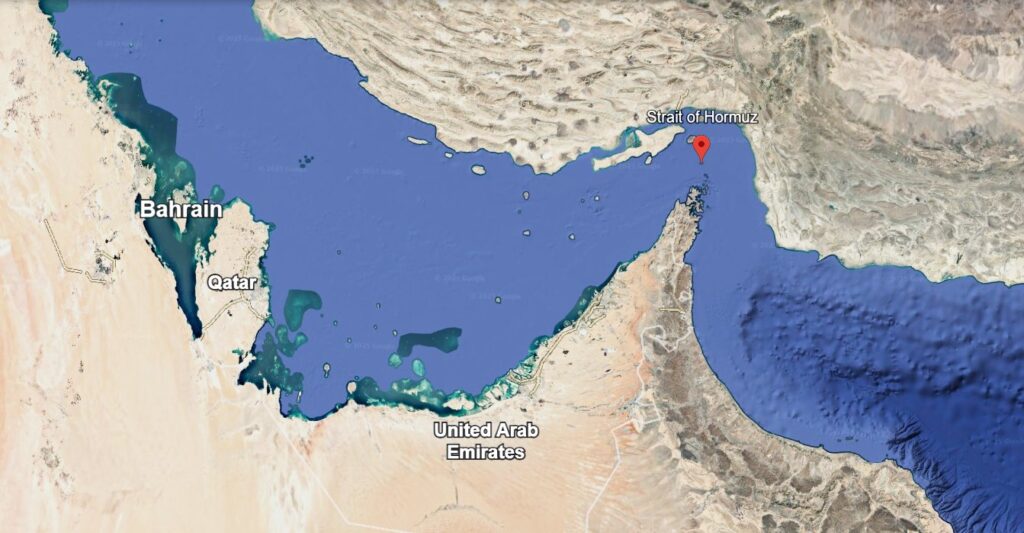
The Strait of Hormuz, which carries about 20 per cent of the world’s oil supply, has faced disruptions in recent weeks following attacks involving the United States, Israel and Iran, alongside retaliatory strikes across the Gulf region.
Industry estimates indicate that about 2,000 ships have been stranded or delayed in the area amid the heightened tensions.
Prime Minister Datuk Seri Anwar Ibrahim said he had spoken with Iranian President Masoud Pezeshkian, who assured safe passage for the Malaysian vessels. Each tanker is understood to be carrying at least two million barrels, making them significant for maintaining domestic fuel supply stability.

Senior analyst and consultant at Global Asia Consulting, Samirul Ariff Othman, said the importance of the tankers lies more in preventing supply disruptions than triggering immediate price changes.
“They are important, but not in the simplistic sense that one tanker equals one price change. Their importance is that they help prevent a physical disruption premium from becoming a domestic supply problem,” he said.
He explained that continued cargo movement allows refineries and distributors to manage inventories better and avoid panic-driven repricing, while also easing pressure on the government’s subsidy bill.
“When physical flows are restored, the subsidy bill is easier to manage than if cargoes are stranded,” he added, noting that any disruption would likely affect public finances and industrial fuel costs before being felt at the pump.
Economist Geoffrey Williams of Williams Business Consultancy echoed the limited short-term impact, pointing out that the volume carried by the vessels remains small relative to national demand.
“The additional two million barrels is about 320 million litres and is only around two to three days of crude oil consumption, so it will not help very much,” he said.
However, he noted that Malaysia’s ability to secure safe passage reflects its diplomatic positioning amid ongoing geopolitical tensions.
“Malaysia has maintained a neutral stance in trade relations and a positive relationship with Iran, which appears to have enabled it to negotiate safe transit through the Strait of Hormuz,” he said.

Despite being an oil-producing nation, Malaysia continues to rely heavily on imports, particularly under its “sell high, buy low” strategy, where higher-grade fuels are exported while lower-cost crude and refined products are sourced from abroad. Last year, about 69 per cent of Malaysia’s crude oil and petroleum imports came from the Middle East.
Both analysts stressed that this reliance leaves the country exposed to external shocks. Samirul warned that disruptions in global oil flows can quickly translate into broader cost pressures across the economy, especially in sectors such as logistics, manufacturing, food distribution, aviation and shipping.
“Even when retail petrol is controlled, businesses still face cost pressures elsewhere in the chain,” he said.
Williams added that managing demand is equally critical, suggesting wider adoption of work-from-home arrangements to ease pressure on fuel consumption.
“Taking one third of commuters off the road could save up to RM1 billion a month in subsidies and help stretch supply,” he said.
Samirul stressed that while the tankers’ return helps avert immediate disruption, it does not address underlying vulnerabilities.
“The safe passage helps prevent an immediate supply shock, but it should not lull us into complacency. It shows how quickly distant conflicts can become a Malaysian cost-of-living issue when energy security depends on fragile sea lanes,” he said. – March 28, 2026