

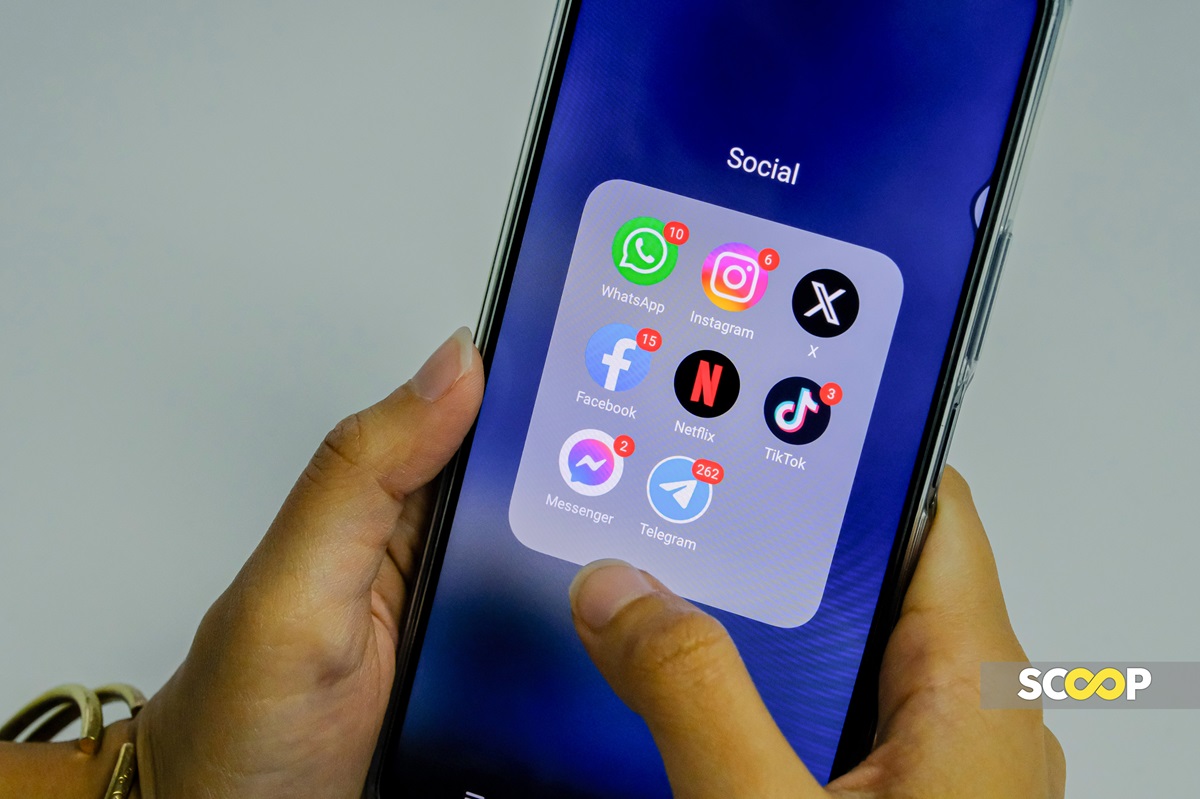
KUALA LUMPUR — Emotional maturity should be a key consideration in the government’s proposed minimum social media age of 16, with experts saying digital readiness extends far beyond the ability to use technology.
Assistant Professor and psychiatrist Dr Hijaz Ridzwan from the Department of Psychiatry, Kulliyyah of Medicine at International Islamic University Malaysia (IIUM), said children and younger teenagers are still developing emotionally, making them more likely to act impulsively online.
“Social media use requires a certain level of maturity. Younger teens are more likely to post content in the heat of the moment without considering long-term consequences, and are easily influenced by peers and social pressure,” he told Bernama.
His comments come as the government plans to enforce a minimum age of 16 for social media use in the second half of this year.
Dr Hijaz said the age threshold is significant because older adolescents generally demonstrate stronger critical thinking and are better able to assess threats such as scams, emotional manipulation and misleading content.
“The concept of digital maturity is crucial. It encompasses understanding privacy boundaries, distinguishing between real contacts and strangers, managing reliance on validation such as likes or comments, and the ability to accept criticism and control impulses when using technology,” he explained.
He described the proposal as a positive move, while noting that age alone is not a definitive measure of readiness.
“While age alone does not guarantee maturity, it provides an opportunity for effective monitoring and guidance before adolescents are given unrestricted access to the digital world,” he added.
He also warned that social media algorithms, which are built to capture and retain attention, can become a trap for teenagers. Constant exposure to unrealistic content, he said, can erode self-esteem and distort perceptions of appearance and lifestyle standards.
Drawing from his clinical experience, Dr Hijaz said children who become victims of grooming often suffer lasting psychological effects.
They may become easily angered, find it difficult to trust others, withdraw socially, and carry feelings of shame, guilt and fear that may eventually develop into depression.
At the same time, he stressed that exposure to technology remains necessary in a fast-moving digital society, particularly as it has become deeply embedded in education and everyday life.
Meanwhile, Applied Behaviour Analysis therapist Shafiq Hamidon of Fit In Child Development Centre said early exposure to digital devices must be carefully managed according to age to support healthy development.
He recommended that children below the age of two avoid screens altogether to strengthen early social development, while those aged six and above should be limited to one to two hours of daily screen time alongside physical activity and family interaction.
Shafiq said excessive screen exposure is becoming an increasingly serious problem, often contributing to behavioural issues such as prolonged tantrums, poor emotional regulation and irritability when access to devices is restricted.
“A common mistake parents make is using screens as the primary tool to calm a child during a tantrum. This creates a cycle where the child learns that misbehaving earns them screen time,” he emphasised.
He added that short-form video platforms such as TikTok and YouTube Shorts may also weaken children’s attention spans in the classroom, leaving them easily bored and less able to stay engaged with lessons.
“Watching videos is entertaining for children because there’s music and bright visuals, and it’s fast-paced. So when a classroom feels dull and only features a teacher speaking at the front, they get bored and struggle to follow the lesson,” Shafiq explained.
He said these habits can also affect communication skills, with some children struggling to remain focused on one topic, showing little interest in extended two-way conversations and responding only with short answers, which may contribute to speech delays.
Shafiq urged parents to monitor behavioural changes closely and seek early intervention where necessary, including consulting speech therapists, occupational therapists or developmental paediatricians.
“Many parents overlook this. They visit the hospital only for vaccinations, but it’s equally important to have their child assessed by a developmental specialist to ensure their growth and abilities are age-appropriate,” he said.
He also stressed the importance of setting clear and predictable screen-time routines instead of suddenly removing devices, which may provoke resistance.
“For example, parents can set screen time between 4 and 5 pm and inform the child in advance. Using a timer or alarm can signal that time is almost up, helping the child prepare emotionally,” he advised.
Shafiq further said parents should provide structured, age-appropriate alternatives to occupy children away from screens, warning that without meaningful substitutes, children are likely to return to devices and display negative behaviours. – April 6, 2026