

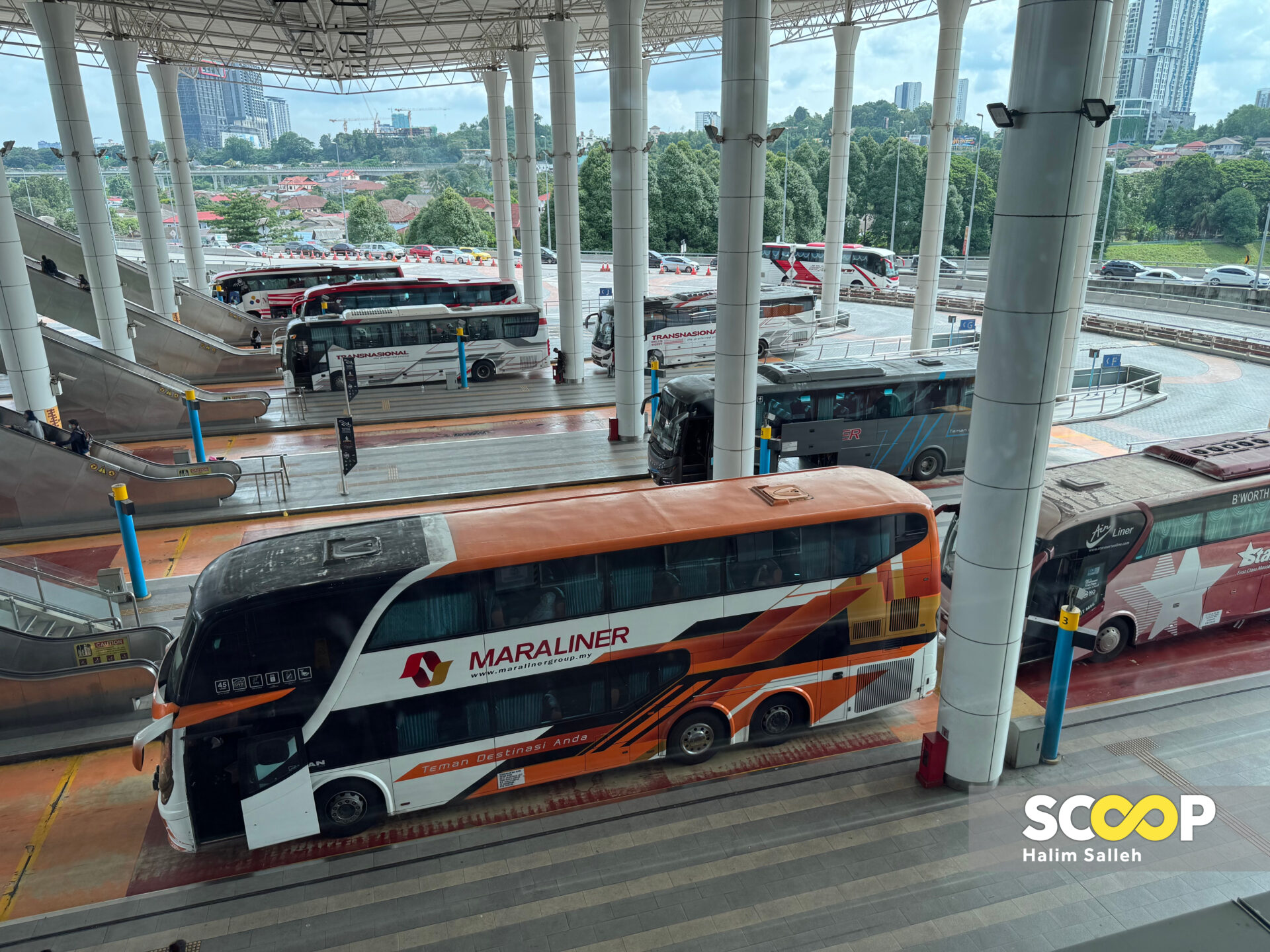
KUALA LUMPUR – The Malaysian Association of Tour and Travel Agents (Matta) has proposed a transparent fuel surcharge mechanism as a legal alternative for operators struggling with rising diesel costs.
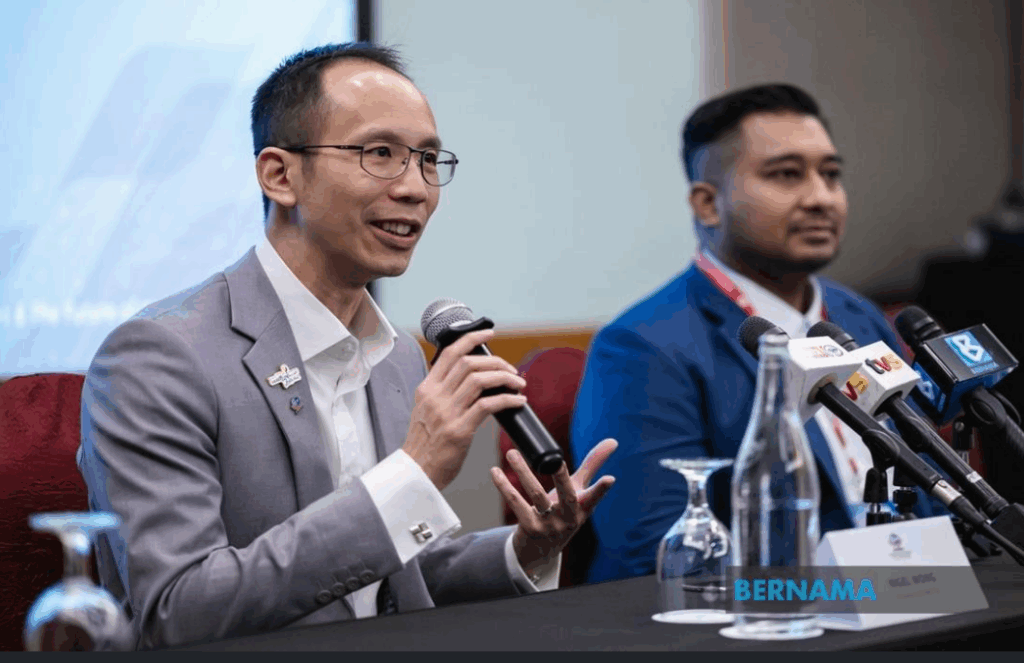
Matta president Nigel Wong said the system, which mirrors the model used in the aviation industry, would allow tourism operators to adjust prices in response to escalating costs without resorting to illegal price-fixing.
“One way for tourism operators to cope with rising costs is to introduce a transparent surcharge mechanism, which Matta has already recommended,” Wong told Scoop.
He explained that the surcharge system would be flexible, allowing operators to adjust pricing in line with fuel increases and remove the surcharge once diesel prices stabilise.
“It does not introduce any unfair or non-transparent pricing mechanisms into the pricing structure,” he said, adding that the approach ensures clarity for consumers while helping businesses remain viable.
The proposal comes amid a regulatory deadlock following action by the Malaysian Inbound Tourism Association (Mita) on March 30, when it introduced ceiling fares that allowed price increases of between 70% and 80% for tourism operators.
Under the move, bus tour rates were set at RM1,100, domestic tours ranged between RM1,900 and RM2,200, and van rentals were capped at RM900, in response to diesel prices rising from RM4.55 to RM6.02 between March 19 and April 8.
However, Domestic Trade and Cost of Living Minister Datuk Armizan Mohd Ali intervened, warning that any collective agreement to set fare levels — even as a price ceiling could constitute a cartel under the Competition Act 2010.
The Malaysia Competition Commission (MyCC) has since launched a formal investigation into the matter.
The rising cost pressures have also renewed calls for a dedicated tourism diesel subsidy. Mita has proposed monthly allocations of 3,000 litres for 40- to 45-seater tour buses and 2,500 litres for tour vans.
Wong said that while subsidies could provide relief, the industry must first address the proliferation of unlicensed operators, including e-hailing drivers and unregistered tour guides, who already benefit from existing fuel subsidies.
“These operators have an unfair advantage, on top of breaking the law. This issue must be addressed before discussing the need for additional fuel subsidies,” he said.
He added that unlicensed operators have disrupted market balance, forcing legitimate businesses to undercut prices in order to remain competitive.
Matta stressed that discussions on subsidies should be secondary to stronger and more consistent enforcement against operators without proper licensing from the Tourism, Arts and Culture Ministry.
“We have been pushing hard, and I know the ministry is doing its best to step up enforcement. However, this is a longstanding issue that will require strong government resolve to fix,” Wong said.
As Malaysia advances its Visit Malaysia 2026 roadmap, resolving pricing and enforcement challenges will be crucial to ensuring the tourism sector remains competitive, sustainable, and compliant with the law. – April 9, 2026