

KUALA LUMPUR – Deputy Investment, Trade and Industry (MITI) Minister Sim Tze Tzin has dismissed concerns that electric vehicles (EVs) across the board will see a price surge following the reimposition of import duties on completely built-up (CBU) models this July, labeling such claims as inaccurate.
Speaking to reporters after visiting three factories here today, Sim clarified that the market remains accessible, as consumers will continue to have a diverse selection of reasonably priced EVs through completely knocked-down (CKD) models.
He noted that the government’s CKD strategy is specifically designed to keep EVs within the RM100,000 to RM200,000 price bracket, ensuring the public retains access to the latest green technology.
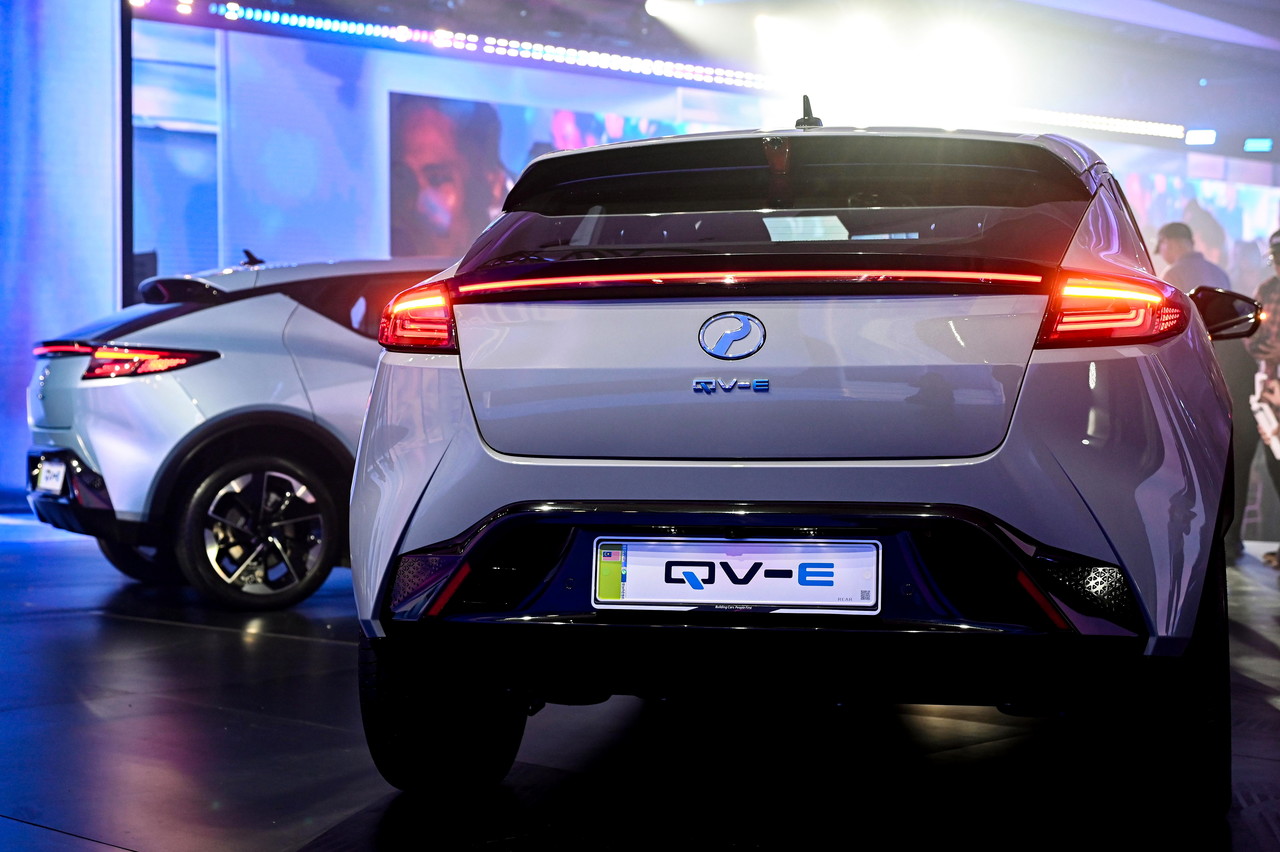
“Price increases will only affect premium imported EV models that are fully imported, particularly certain luxury brands that do not have sufficient sales volume to justify local assembly in Malaysia, while the locally assembled EV segment will continue offering more affordable options such as the Proton e.MAS, Perodua’s QV-E and Chery,” Sim explained.
He further highlighted that the landscape is expanding, noting that Chinese brands such as Zeekr and several others are already planning local assembly operations in Malaysia.
Because of this, he maintained that claims of all EVs becoming expensive are unfounded, as consumers will still have many affordable choices available to them.
Following the expiry of import duty exemptions for CBU EVs in July, MITI is doubling down on policies that incentivize CKD assembly to strengthen the national automotive industry.
Sim emphasized that the national automotive policy remains steadfast in its focus on developing a domestic value chain and curbing reliance on fully imported models, which offer limited value to the local economy.
“The reimposition of import duties, sales tax and excise duties on CBU EVs is not a new tax, but rather a return to the original tax structure after the expiry of the four-year incentive period. That is why our policy encourages local assembly or CKD operations so that companies establish manufacturing facilities in Malaysia. We want them to localise operations, set up plants here and collaborate with local vendors to create jobs,” he said.
This clarification follows a previous MITI announcement stating that starting July 1, all imported CBU EVs must meet two specific criteria: a revised minimum motor power requirement of 180kW, down from the previous 200kW threshold, and a minimum cost, insurance, and freight (CIF) value of RM200,000. – May 9, 2026