

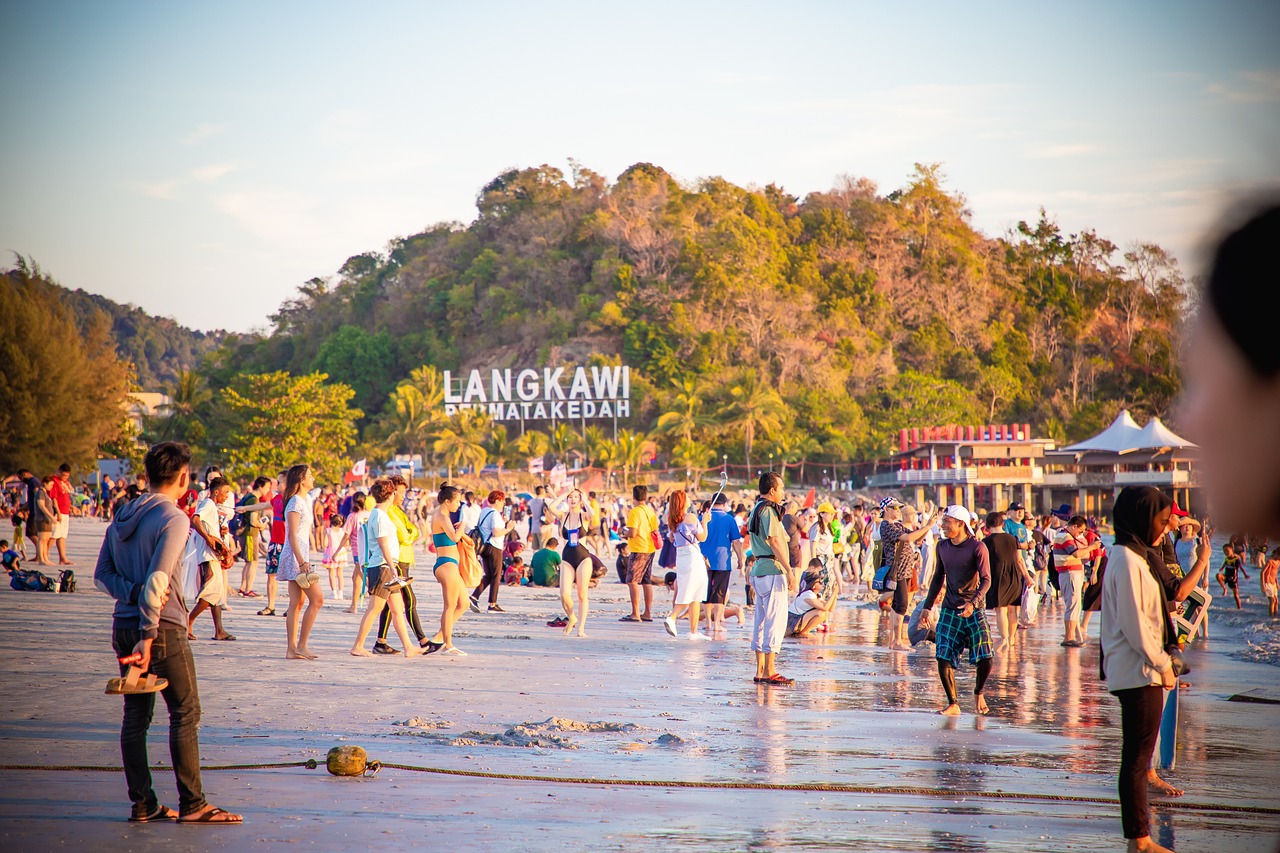
TOURISM is a vital pillar of Malaysia’s economy, contributing approximately 15% to GDP. It is a major source of foreign exchange, jobs, and infrastructure development.
It drives growth through the multiplier effect in hospitality, transport, and retail, while diversifying the economy beyond manufacturing. It serves as the second-largest foreign exchange earner, significantly strengthening the national balance of payments.
The industry is labour-intensive, creating numerous jobs directly in hotels and travel agencies, as well as indirectly in retail, food, and handicraft sectors. Money spent by tourists circulates through the local economy, benefiting small and medium enterprises (SMEs), such as local restaurants, tour operators, and transportation services. To support the industry, the government invests in better transportation, public amenities, and facilities, which also benefit local residents. As part of the Economic Transformation Programme (ETP), tourism remains a key focus for long- term sustainable growth in Malaysia.
This year 2026 is Visit Malaysia Year. The world travel industry has spent the last two years in survival mode, lurching from crisis to crisis. But a recent white paper forces us to stop firefighting and look at the horizon. Titled “Four Scenarios for the Future of Travel and Tourism”, the analysis isn’t just another trend forecast. It’s a stark map of four distinct destinations where we might end up, depending on the collective choices we make today. Having read through the findings, one thing is clear: the old “build it and they will come” model is dead. But what replaces it is terrifyingly uncertain.
There are four scenarios in the paper. One is the “Tech-Topian” Bubble. In this scenario, technology solves everything. Biometrics speed you through airports, AI curates the perfect personalized itinerary, and virtual reality previews eliminate the risk of a disappointing vacation. On the surface, this is the dream of every Silicon Valley boardroom. Efficiency is king. But reading this scenario, there is anxiety. If we optimize the process of travel to perfection, do we sterilize the soul of it? The white paper hints at this frictionless future, but it fails to scream loudly enough that friction is where memory lives. Getting lost, struggling with a menu, and navigating a chaotic market—that is the travel we actually remember. If we cede control to algorithms entirely, we risk turning the planet into a series of perfectly curated, but utterly hollow experience.
Next is the “Recalibration”. This is the post-pandemic dream that many of us bought into. We travel slower, stay longer, and prioritize community impact over Instagram likes. The high cost of carbon force us to explore closer to home. The white paper presents this as a viable, even noble, path. But we must be honest about the economic reality of this “Recalibration.” It is a luxury product. To travel “slowly”
requires time—a commodity most of the global workforce does not have. This scenario risks creating a two-tiered system: the wealthy, who can afford a month- long sustainable retreat in Tuscany, and everyone else, who gets the leftovers. If we push this too hard without addressing economic inequality, “sustainable travel” becomes just another status symbol.
Perhaps the most terrifying scenario is the price war. Consumers chase the absolute lowest price. Airlines unbundle until there is nothing left to unbundle. This is the “budget airline” mentality applied to the entire planet. It is exploitative, extractive, and exhausting. The white paper correctly identifies that this path leads to cultural homogenization and worker burnout. Yet, we see signs of it everywhere: the rise of dynamic pricing that feels like price gouging, the nickel-and-diming of hotel guests, and the gigification of the tourism workforce. We are sliding into this scenario because we are addicted to volume. The fragmented world is another scenario. This is the geopolitical nightmare. Travel is weaponized. Borders slam shut based on political whims, visa regimes become punitive, and data localization laws trap travelers in digital bubbles. You can only go where your passport—and your government—allows.
The white paper doesn’t tell us which scenario is “right”. If there is one takeaway, it is this: The future is a consequence of our investments. The industry—from policymakers in Brussels to hoteliers in Bali—must decide which scenario to bet on. If we keep investing in technology solely for cost-cutting, we get the soulless price war. If we invest in technology for cultural connection and accessibility, we might just salvage the Tech-Topia. The next decade will not be decided by tourists. It will be decided by the boards, the bureaucrats, and the builders who read papers like this and finally realize that the goal isn’t just to move more people. It’s to move them
better. – May 12, 2026
Professor Dato Dr Ahmad Ibrahim is affiliated with the Tan Sri Omar Centre for STI Policy Studies at UCSI University and is an Adjunct Professor at the Ungku Aziz Centre for Development Studies, Universiti Malaya.