

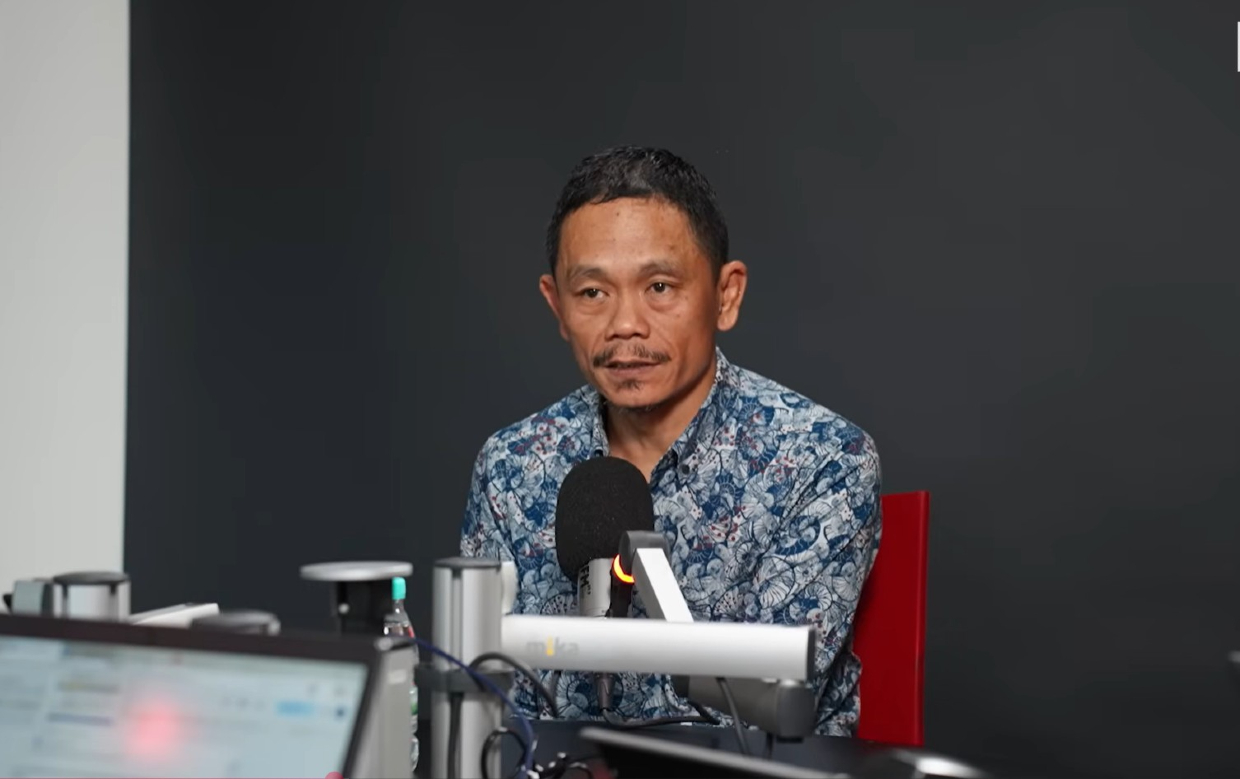
KUALA LUMPUR – Malaysia continues to maintain a relatively stable position with sufficient reserves of fuel, food and essential medicines, supported by early intervention measures and coordinated crisis management efforts, according to Prime Minister’s Economic Adviser Nurhisham Hussein.
He also serves as head of the Secretariat of the National Economic Action Council (MTEN) Crisis Management Task Force, which has been overseeing efforts to ensure the uninterrupted availability of critical goods and services since the onset of the crisis.
“The first priority is making sure we have enough supplies. As far as fuel is concerned, we have sufficient stocks until July, and we are already working on August. As for food, we have more than enough in all major categories, including rice, chicken, eggs, seafood, vegetables and fruits,” he said.
Nurhisham told Bernama this week after the conflict in West Asia entered its 100th day.
He said concerns over food security remain manageable at present, with any significant impact from global supply disruptions expected to materialise only much later.
“For products such as chicken and eggs, the production cycle is very fast, around 40 days, and we are still receiving adequate feed supplies at reasonable prices. So far, there are no major concerns on the supply side,” he added.
Energy, healthcare supplies remain secure
On the energy front, Nurhisham said Malaysia’s electricity generation capacity remains sufficient despite heightened global energy market volatility.
He noted that about one-third of Malaysia’s power generation comes from liquefied natural gas (LNG), much of which is domestically produced, while coal imports are secured through long-term contracts.
“Energy generation is not an issue for us at this moment. The challenge is managing demand, particularly as this year is expected to be a very hot year,” he said.
Nurhisham’s remarks come as MetMalaysia and global climate agencies warn of a possible El Niño event later this year, which could bring hotter and drier weather conditions.
MetMalaysia has said global climate models indicate a 62 per cent probability of El Niño developing between June and August 2026, while the World Meteorological Organisation estimates an 80 per cent likelihood of the phenomenon forming during the same period.
As for the healthcare sector, the economist said more than 70 per cent of medicines in the public health system currently have stock levels exceeding three months, while authorities are closely monitoring a small number of items with lower inventories.
“Most of the medicines categorised as critical have alternative treatments available. For medical devices, there are some consumables with relatively low stocks, but we have multiple suppliers and the situation remains under control,” he explained.
Nurhisham credited the Health Ministry’s rapid response, leveraging systems developed during the COVID-19 pandemic, for enabling authorities to quickly assess stock levels across both public and private healthcare sectors.
Government committed to development priorities
While acknowledging that the crisis has exerted pressure on certain sectors, particularly construction, Nurhisham said the overall impact on Malaysia’s economy has so far been limited.
He said that sectors such as construction had initially been affected by higher diesel prices and increased material costs, but conditions have gradually stabilised as prices eased in recent months.
Nurhisham also dismissed concerns that the crisis would lead to significant increases in government borrowing, stressing that Malaysia’s fiscal framework prohibits borrowing to finance subsidies.
“Subsidies must be funded through government revenue, not borrowing. Any increase in the fiscal deficit would largely reflect slower gross domestic product growth rather than higher borrowing,” he explained.
Despite additional fiscal pressures arising from fuel subsidies, Nurhisham ensured that the government remains committed to key development priorities.
Projects involving flood mitigation, water supply, electricity generation, roads, schools and hospitals will continue as planned.
“These projects cannot wait. The government’s development priorities remain unchanged because they are critical to the country’s long-term resilience and growth,” he said.
Conservation efforts key to managing crisis
Looking ahead, Nurhisham said managing demand and reducing wastage would be critical in ensuring Malaysia remains resilient should the crisis persist.
Measures being encouraged include work-from-home arrangements where practical, reducing government electricity consumption, limiting non-essential travel and exploring staggered school opening hours to ease traffic congestion and fuel use.
He also highlighted food wastage as a major area requiring urgent attention.
“We are throwing away huge amounts of food every year. If we can reduce wastage across the supply chain and at the household level, we can lower costs and make supplies go further,” he said.
(Subhead) Better prepared than 100 days ago
Reflecting on the first 100 days of the crisis, Nurhisham said the government is now in a significantly better position than during the initial stages, when information gaps created uncertainty among policymakers and industry players.
“Today, we have a much clearer picture. We have the mechanisms in place and industries now know where to source supplies, including domestic alternatives. We are in a much more comfortable position than we were two months ago,” he said.
He added that while the situation remains manageable, continued cooperation from businesses and consumers would be essential to ensure Malaysia can weather the crisis with minimal disruption to jobs, incomes and economic activity. – June 14, 2026