


KUALA LUMPUR – The Malaysian Stadium Corporation (PSM) is seeking to reposition itself from being merely a custodian of sports venues to becoming an active promoter of year-round lifestyle destinations, with chairman Dr Helmy Haja Mydin outlining plans to balance public service responsibilities with commercial sustainability.
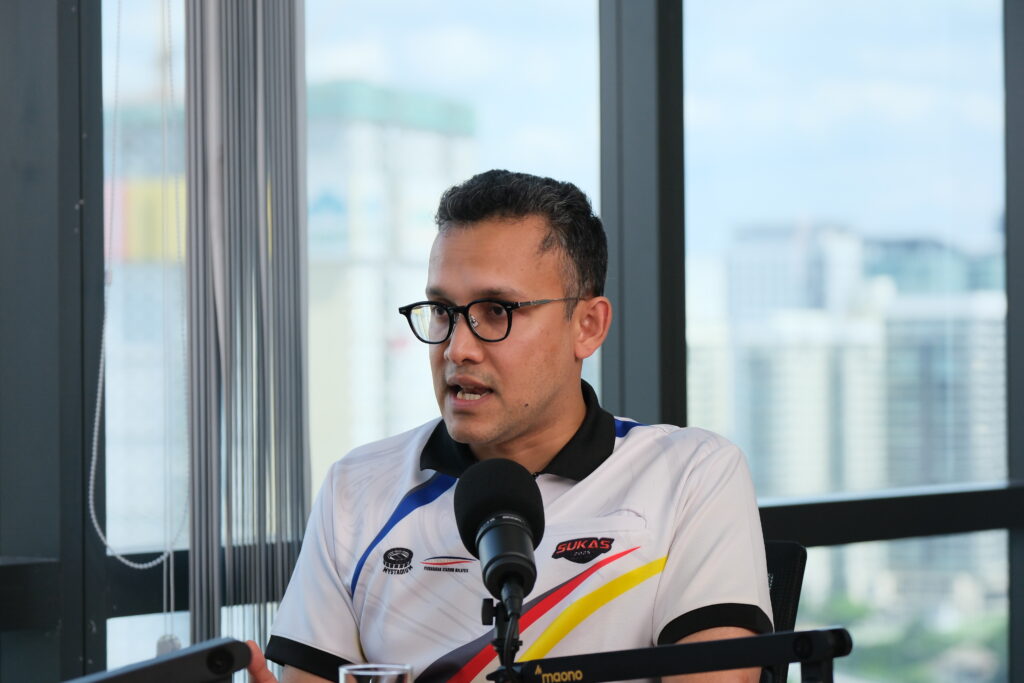
Speaking on Scoop’s Sport Check podcast, Dr Helmy said PSM must clearly differentiate between its role in supporting sports, government programmes and nation-building initiatives, and its approach to profit-driven commercial events such as concerts.
“We have to be very clear on this distinction,” he said.
“When it comes to sports, government-linked activities and nation-building events, there is a different responsibility that we carry because public money is involved and there is a broader national interest at stake.
“But when it comes to highly commercial events, particularly those that are clearly profit-generating, then we cannot be in a position where taxpayer-backed facilities are effectively subsidising private profit.”
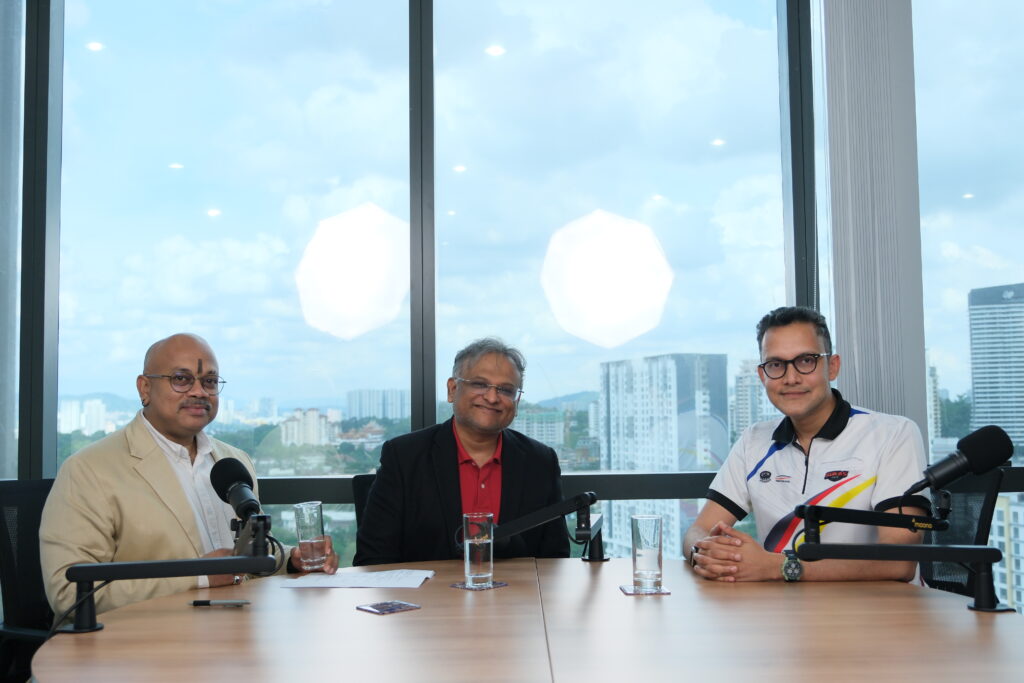
The podcast was hosted by Big Boom Media Editor-in-Chief Terence Fernandez, and Scoop Executive Editor T. Vignesh.
He said PSM is introducing clearer standard operating procedures (SOPs) to ensure venue pricing and allocation are transparent and consistent.
“What we are trying to do is ensure there are proper SOPs in place so that decisions are not arbitrary. It cannot be based on relationships or informal arrangements. It must be structured, transparent and reflect the nature of the event itself,” he said.
Dr Helmy also revealed that PSM is exploring partnerships with international venue operators, including parties from Abu Dhabi and China, as part of its long-term strategy to strengthen Malaysia’s sports infrastructure and event-hosting capabilities.
“These are conversations at an early stage, but they reflect a broader recognition that Malaysia has significant potential when it comes to venue management and large-scale event hosting,” he said.
He added that PSM wants to move beyond simply maintaining venues.
“We need to move away from being just a custodian of venues. The future has to be about being a promoter of these spaces, where we are actively involved in attracting events, curating experiences and maximising the value of our infrastructure.”
As part of that vision, PSM is conducting a comprehensive asset-mapping exercise across its venues ahead of the SEA Games to identify facilities requiring immediate repairs, upgrades and longer-term improvements.
Dr Helmy acknowledged that Kuala Lumpur Sports City (KLSC) has yet to achieve its full potential following the shelving of its planned second phase, which was intended to expand the precinct’s commercial and retail offerings.
“There was always a Phase Two element that was meant to further develop the commercial and retail aspects of the area, but that did not materialise,” he said.
Despite that setback, PSM is focused on activating KLSC beyond sporting fixtures and concerts by encouraging visitors to use the precinct throughout the week.
“What we want to see is more activation of the space. It should not just come alive when there is a match or a concert. We want people to use it more regularly, spend more time there and see it as a living, breathing public space.”
Increasing visitors’ dwell time, he said, is central to both the precinct’s commercial viability and its role as a community hub.
“At the moment, people come in for an event and then they leave. We want to change that behaviour so that visitors stay longer, engage more and see it as a destination rather than just a venue.”
Dr Helmy also acknowledged ongoing challenges in traffic flow and crowd dispersal at Bukit Jalil, particularly after major events involving tens of thousands of spectators.
“When you have 60,000 or 70,000 people leaving at the same time, bottlenecks are inevitable, especially around transport nodes like the LRT station and parking exits,” he said.
To improve mobility, PSM has appointed a transport policy expert to develop strategies for better crowd movement and congestion management.
“It is not just about what happens inside the stadium, but also how people arrive and how they leave,” he said.
Ultimately, Dr Helmy said visitors should remember the event itself rather than operational shortcomings.
“The ideal situation is when people leave and they remember the event, not the problems getting in or out.
“If people are talking about broken systems or congestion, then we have not done our job properly. The venue should be seamless. It should be invisible in a good way.” — June 28, 2026