



KUALA LUMPUR – The Parent Action Group for Education Malaysia (PAGE) has welcomed the newly enacted Anti-Bullying Act 2026 but cautioned that legislation alone will not eradicate bullying in schools, stressing that responsible parenting, positive school cultures and stronger preventive measures are equally essential.
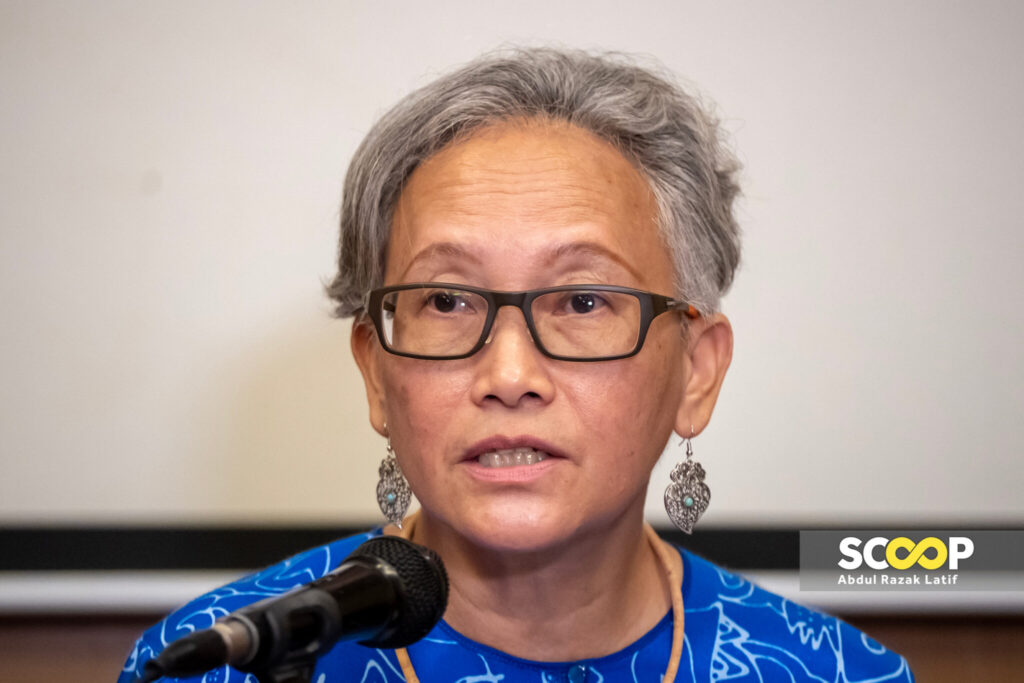
Speaking to Scoop, PAGE chairperson Datin Noor Azimah Abdul Rahim said the new law represents an important milestone in addressing bullying but should not be regarded as a “silver bullet” for a long-standing issue.
“Lasting change requires responsible parenting, positive school cultures and a broader societal commitment to respect, empathy and zero tolerance for bullying.
“The law is an important step, but it is not a complete solution,” she said.
Her remarks come after Parliament passed the Anti-Bullying Act 2026 this month, introducing tougher measures to tackle bullying in educational institutions.
Among its key provisions is the concept of shared family responsibility, allowing parents to be held jointly liable for acts of bullying committed by their children under certain circumstances.
The Act also establishes an Anti-Bullying Tribunal to hear cases and places a statutory duty on schools to intervene before disputes escalate to legal proceedings.
While PAGE supports greater parental accountability, Noor Azimah said legal liability should not be imposed automatically on every parent whose child is found guilty of bullying.
Instead, she said each case should be assessed on its own merits to determine whether parents had been genuinely negligent or had taken reasonable steps to guide and discipline their children.
“Parents play a key role in shaping their children’s values and behaviour. However, liability should not be automatic.
“The focus should be on rehabilitation and prevention, not simply punishment,” she said.
Noor Azimah acknowledged that the prospect of legal consequences could encourage parents to monitor their children’s behaviour more closely.
However, she stressed that accountability must be accompanied by greater support for families through parenting education, counselling services and stronger collaboration between schools and parents.
Asked whether it was fair to hold parents legally responsible in every bullying case, she said bullying often stemmed from multiple factors beyond the home environment.
“Bullying can be influenced by family circumstances, peer pressure, social media and mental health issues.
“The law should allow flexibility to consider each child’s circumstances rather than applying blanket responsibility,” she said.
On the role of schools, Noor Azimah welcomed the statutory duty requiring educational institutions to intervene before cases reach the Anti-Bullying Tribunal but questioned whether schools currently have sufficient capacity to shoulder the additional responsibility.
“The responsibility is welcome, but many schools will need more training, counselling support and clearer intervention protocols.
“Schools cannot carry this responsibility effectively without adequate resources,” she said.
She also urged the Education Ministry to place greater emphasis on prevention rather than enforcement alone.
According to Noor Azimah, this should include strengthening anti-bullying education, expanding social-emotional learning programmes, improving school counselling services, enhancing teacher training, increasing parent engagement and providing safe reporting channels for students.
“Prevention is always more effective than responding after harm has occurred,” she said. – July 3, 2026