
As a member of Amanah—a component party of Pakatan Harapan (PH)—I must begin by disclosing my own inevitable bias. I have never been a supporter of Umno or Barisan Nasional (BN), so their victory brings me no joy.
However, I am not entirely despondent over PH’s massive defeat; in fact, it may well be a blessing in disguise. The landslide victory for BN came as no surprise.
Prominent political analysts, including Dr. Bridget Welsh, Dr. Ong Kian Ming, and the Ilham Centre, had accurately forecast this outcome well before polling day.
Unlike these experts, my perspective is that of an experienced insider rather than an academic, shaped by having contested seven times in previous General Elections.
From my observation, two primary factors drove the Umno/BN landslide namely:
a) The Onn Hafiz Factor.
BN strategically positioned Onn Hafiz as their ‘poster boy’ to maximize his immense local popularity. It worked flawlessly. Despite his status as Prime Minister, Datuk Seri Anwar Ibrahim unfortunately could not match Onn Hafiz’s distinct appeal and influence within the state of Johor.
b) Madani Disillusionment
A growing public perception that the Madani government failed to live up to its rhetoric deeply frustrated voters. To its credit, BN successfully capitalized on this sentiment, hammering home the narrative of ‘Anwar’s unfulfilled promises.’
Unfortunately, PH failed to mount any effective counter-strategy to shift this damaging perception. This growing disappointment triggered an internal backlash, alienating not just the general public but also PH’s own grassroots members and loyal loyalists.
Looking closely at PH’s campaign, particularly across social media, the execution appeared haphazard and devoid of a cohesive strategic plan.
It felt as though almost anyone was permitted to campaign on PH’s behalf, regardless of whether their controversial or problematic public images might actively harm the party’s prospects.
The sole qualification seemed to be the ability to deliver a speech. Ultimately, an election is not a debate stage for politicians to win arguments.
It is a platform to humbly appeal to voters and win their hearts and minds. The golden rule is simple: the voter is always right. Blaming the electorate, even in jest, must be avoided at all costs.
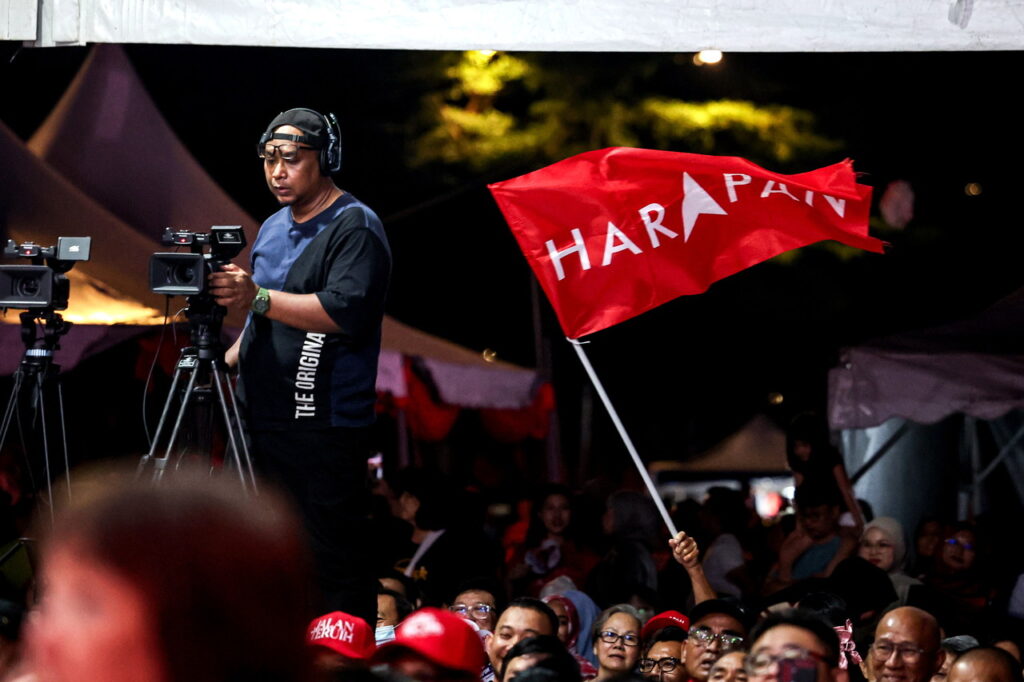
Instead, PH relied heavily on outdated campaign models. The emphasis remained on organizing massive ceramahs, which often attracted ‘political tourists’ rather than actual local voters.
While these events looked impressive—filled with people eager to hear popular leaders and snap selfies—it ultimately created a ‘syok sendiri’ (self-delusional) campaign environment that masked a lack of genuine, on-the-ground support. – July 12, 2026
Mohamed Hanipa Maidin is a former deputy minister of law