

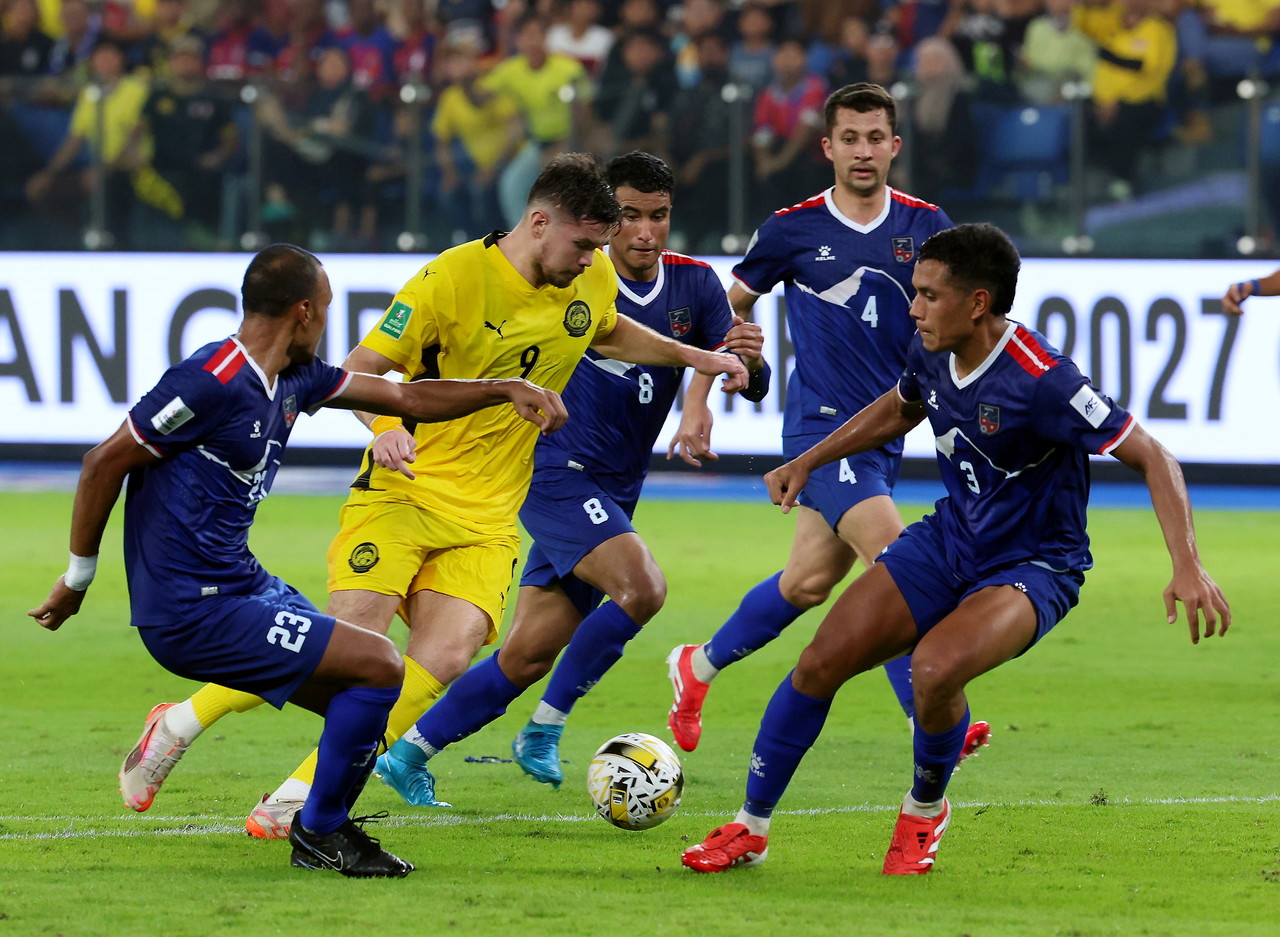

KUALA LUMPUR – Radio Televisyen Malaysia (RTM) should place greater emphasis on broadcasting events involving Malaysian athletes and national teams, senior sports analyst Sadek Mustaffa said.
He questioned the public broadcaster’s priorities amid uncertainty over coverage of major competitions featuring Malaysia, including the ongoing AFF Championship and Hockey World Cup, while prominent overseas football friendlies continue to receive promotional attention on RTM’s platforms.
Speaking to Scoop, Sadek said it was inappropriate for national team matches to be overlooked during the Merdeka month, when Malaysians representing the country on the international stage should be given greater prominence.
“I’m not entirely sure what policies and agreements they have made with their sponsors. Pushing aside matches involving the national team in the AFF Championship reflects an inappropriate decision, especially during the month of Merdeka,” he said.
“Whether those managing this policy are still being ‘colonised’ is something only RTM can answer.”
Earlier this year, RTM played a key role in broadcasting the FIFA World Cup after the public broadcaster and Unifi TV secured Malaysian broadcast rights for the tournament.
RTM provided coverage through its television channels and RTMKlik, while Unifi TV offered live coverage of all 104 matches.
However, the issue of sporting priorities has resurfaced as RTM continues promoting live broadcasts of high-profile international club friendlies.
A promotional graphic for RTM’s sports channels lists Manchester United’s match against AC Milan at 10.30pm on August 15, followed by Schalke’s clash with Real Madrid at 10.45pm on August 16 and Liverpool’s meeting with Como at 12.45am on August 17.
The graphic indicates that Manchester United versus AC Milan and Liverpool versus Como will air on TV Okey, while Schalke against Real Madrid will be shown on Sukan+.
While acknowledging the popularity and commercial appeal of football, Sadek said broadcasters must maintain a balance between overseas competitions and events involving Malaysian athletes.

“Basically, football has a much larger following compared with other sports. The value of sponsorship and the return on investment for sponsors are certainly significant,” he said.
“However, those managing the department need to be brave enough to strike a balance with other sports, and sporting events involving national athletes or national teams should also be given proper consideration for live broadcast.”
Sadek also warned that the recent controversy involving the Football Association of Malaysia (FAM) should not affect the visibility of the national team, saying any consequences should not be imposed on players who continue to represent the country.
“FAM and the national football team have certainly been embroiled in a controversy that has shaken world football, involving the falsification of documents concerning heritage players,” he said.
“One of the consequences of this is that sponsors are still staying away from matches involving the national team. However, punishing a different team for what happened is certainly not appropriate.”
The Universiti Teknologi MARA (UiTM) sports science lecturer said RTM, as the government’s main communication platform with the public, should be prepared to shoulder the responsibility of making important national sporting events accessible to Malaysians.
“It is difficult, but RTM, as the government’s main link with the people, should reasonably give football priority when it comes to live broadcasts. Perhaps RTM is prepared to face criticism in the same way FAM has,” he said.
For Sadek, the debate over sports broadcasting goes beyond television coverage, as greater exposure for Malaysian athletes is essential to inspiring younger generations.
“The people and fans need to speak up and put pressure on the authorities. A policy that prioritises national athletes and national teams should be introduced so that their matches are broadcast live, because athletes are role models for teenagers and the younger generation,” he said.
He added that the broadcasting issue reflected broader shortcomings within Malaysia’s sports ecosystem, which requires more consistent long-term planning instead of policies shaped by short-term political interests.
“In reality, Malaysia’s sports ecosystem is already at an unsatisfactory level across all areas,” he said.
“Many policies are merely designed to satisfy the political interests of leaders rather than to build a proper national sports ecosystem. That is why the allocation for sports and youth remains relatively small every year.”
With Malaysian athletes continuing to compete internationally, Sadek said the country must ensure they receive not only sufficient resources to perform but also the exposure needed to build a stronger connection with the public. – August 17, 2026