

THE drive to Batu Arang feels like a small escape from Kuala Lumpur.
The road narrows. Trees close in overhead. Every now and then, a wildlife-crossing sign appears through the morning mist – a reminder that this was once, and in many ways still is, a landscape shaped as much by nature as by people.
Then the trees give way to a quiet town.
At first glance, there is little to suggest that Batu Arang once helped power Malaya.
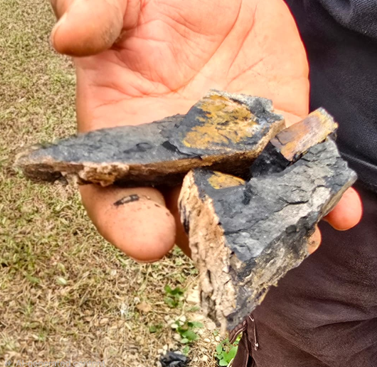
Its name Batu Arang, or “coal rock” – offers the first clue.
Long before British machinery arrived, the Temuan indigenous community knew the landscape and used the coal found near its surface.
In 1908, Malay prospector Haji Abdul Hadi, reportedly searching for tin, discovered coal in the area.
The discovery came at an opportune moment: Malaya’s railway network was expanding, and steam locomotives needed coal.
The first company to take up the concession was the Rawang Federated Malay States Coal Syndicate Ltd. When the venture fell through, John Archibald Russell took over the concession, eventually establishing Malayan Collieries Ltd (MCL) in 1913. The Russel family also set up Boh plantations in Cameron Highlands.
Batu Arang grew rapidly around the mine
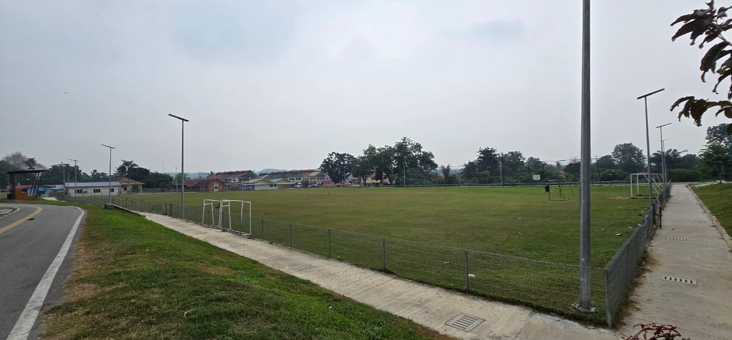
Batu Arang was more than a mining site. It was a company town with workers’ housing, offices, sports facilities, shops, schools, railway infrastructure and even its own open-air cinema.
Every few weeks, people gathered on the padang in front of the staff sports club to watch films in different languages. It is easy to imagine the scene: workers and families gathering after dark, watching another world flicker across a screen in the middle of a mining town.
Think of it as an early industrial hub, decades before “industrial park” became part of our vocabulary.
Today, you can still find clues scattered around town.
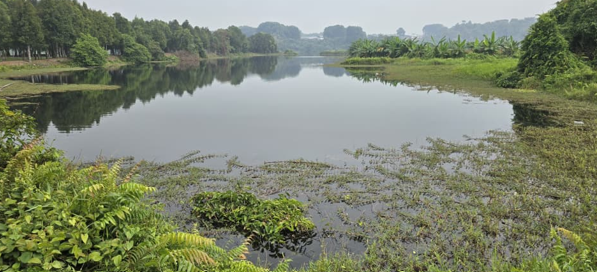
There are remnants of the old mining tunnels and air-shaft buildings. Open cast mines are now scenic lakes dotting the landscape.
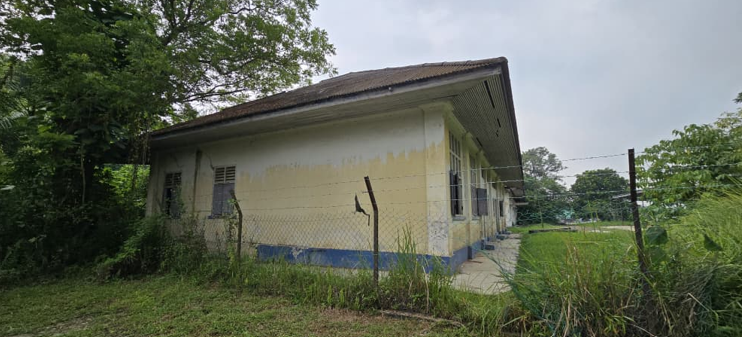
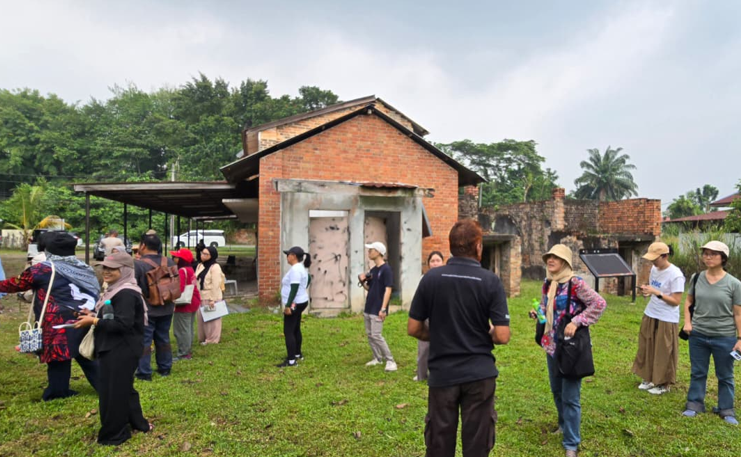
The former Malayan Collieries office stands near the old Gurkha barracks. Further on is the White House, once the military officers’ mess. Old mine workers’ quarters remain; some have been refurbished to house the Batu Arang Gallery, which tells the story of the town, while others are slowly being reclaimed by nature.
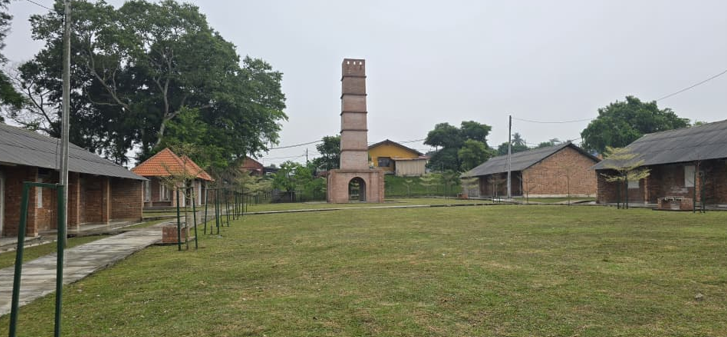
The remains of the brick factory offer another reminder of an industry that once produced bricks bearing the MCL mark. Several of these places have been identified by Selangor authorities for heritage protection.
Its Resources Made It a Target
Batu Arang’s story was not all work and entertainment.
In 1937, around 6,000 workers went on strike, in an episode linked to the Malayan Communist Party. For a brief period, a communist-controlled settlement emerged in the coalfield before British forces crushed it within a week. The area’s ammunition depot added to its strategic importance.
Then came war.
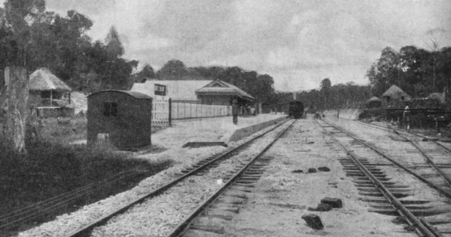
The Japanese occupation disrupted the mines. The railway linking Batu Arang to Kuang was dismantled. Its tracks and sleepers were taken for use elsewhere, including the construction of the infamous Thai-Burma Death Railway.
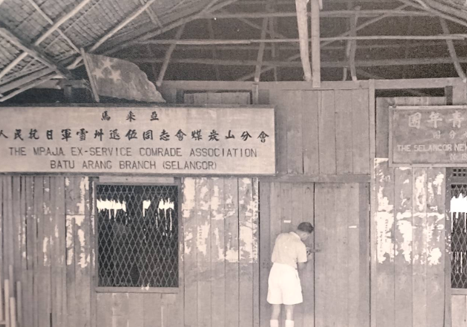
After the war, Batu Arang became a communist stronghold during the Malayan Emergency. One of the prominent figures was Wong Choon Lan, a notorious female communist commander known to the locals simply as Ah Moi.
The mines finally closed in January 1960.
The workers took their highly advanced skills and knowledge to other mining hubs, including Bukit Besi and Batu Pahat.
Why Batu Arang Still Matters
Batu Arang is beginning to attract fresh attention.
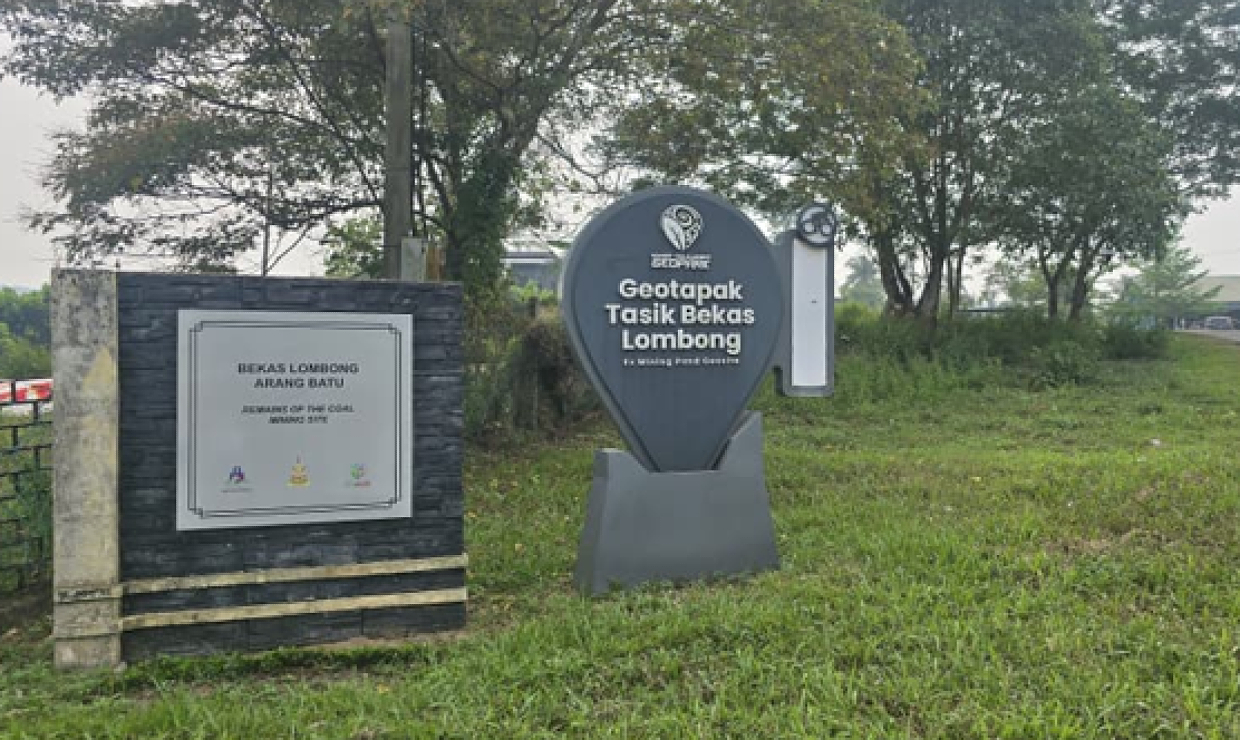
The town forms part of the Gombak-Hulu Langat Geopark, which is being pursued for UNESCO Global Geopark status. According to TPr. Afzal Azhari, Board Member of ICOMOS Malaysia, the state has agreed to pursue the nomination and the area is moving towards international evaluation.
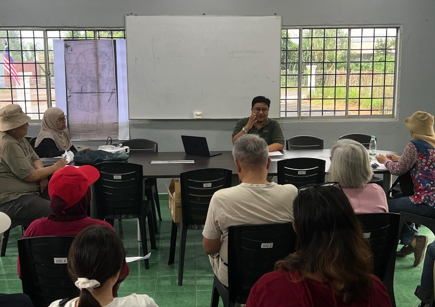
Afzal identifies five key aspects of Batu Arang’s heritage significance: the coal, the railway industry, the Russell family story, the social movement and the brick industry.
Together, they reveal a town whose story reaches far beyond mining – offering insights into technology, labour, migration, industry, community and social change.
Evidence of the once-vibrant industrial town remains — in the reconstructed brick kiln tower; in bricks bearing the MCL mark, used in buildings such as the Sultan Abdul Samad Building in Kuala Lumpur; in old mining shafts and waterlogged tunnels; and in picturesque ponds that were once open-cast mines, all gradually absorbed into the landscape around the Rantau Panjang Forest Reserve.
The mines are silent now.
But the stories remain – waiting to be unearthed, remembered and passed from one generation to the next, so that Batu Arang’s place in our history is not lost to time.
Batu Arang is more than a relic of a vanished industry. It is a living record of the people, skills and ambitions that helped build modern Malaysia.
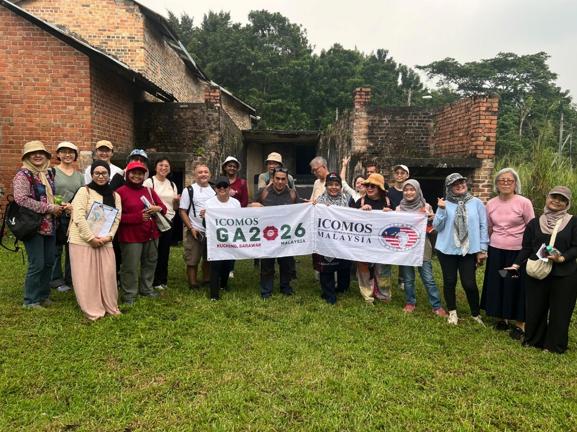
This technical exploration of Batu Arang’s industrial heritage, cultural landscape and the importance of disaster risk management in safeguarding our heritage was organised by the National Scientific Committee on Water Heritage, and the National Scientific Committee on Cultural Landscapes of ICOMOS Malaysia – as part of its outreach and technical knowledge sharing programme.
ICOMOS along the International Union for Conservation of Nature (IUCN) and International Centre for the Study of the Preservation and Restoration of Cultural Property ICCROM, act as technical advisors to UNESCO in evaluating and assessing potential United Nations Educational, Scientific and Cultural Organization (UNESCO) world heritage sites in. – August 29, 2026
Maria J. Dass is a journalist, and travel blogger covering communities, culture, and heritage issues.