

KUALA LUMPUR – Indonesia’s aviation network is staggering back to life after volcanic ash from a violent eruption at Mount Anak Krakatau forced a days-long lockdown across key air hubs, stranding over 340,000 passengers.
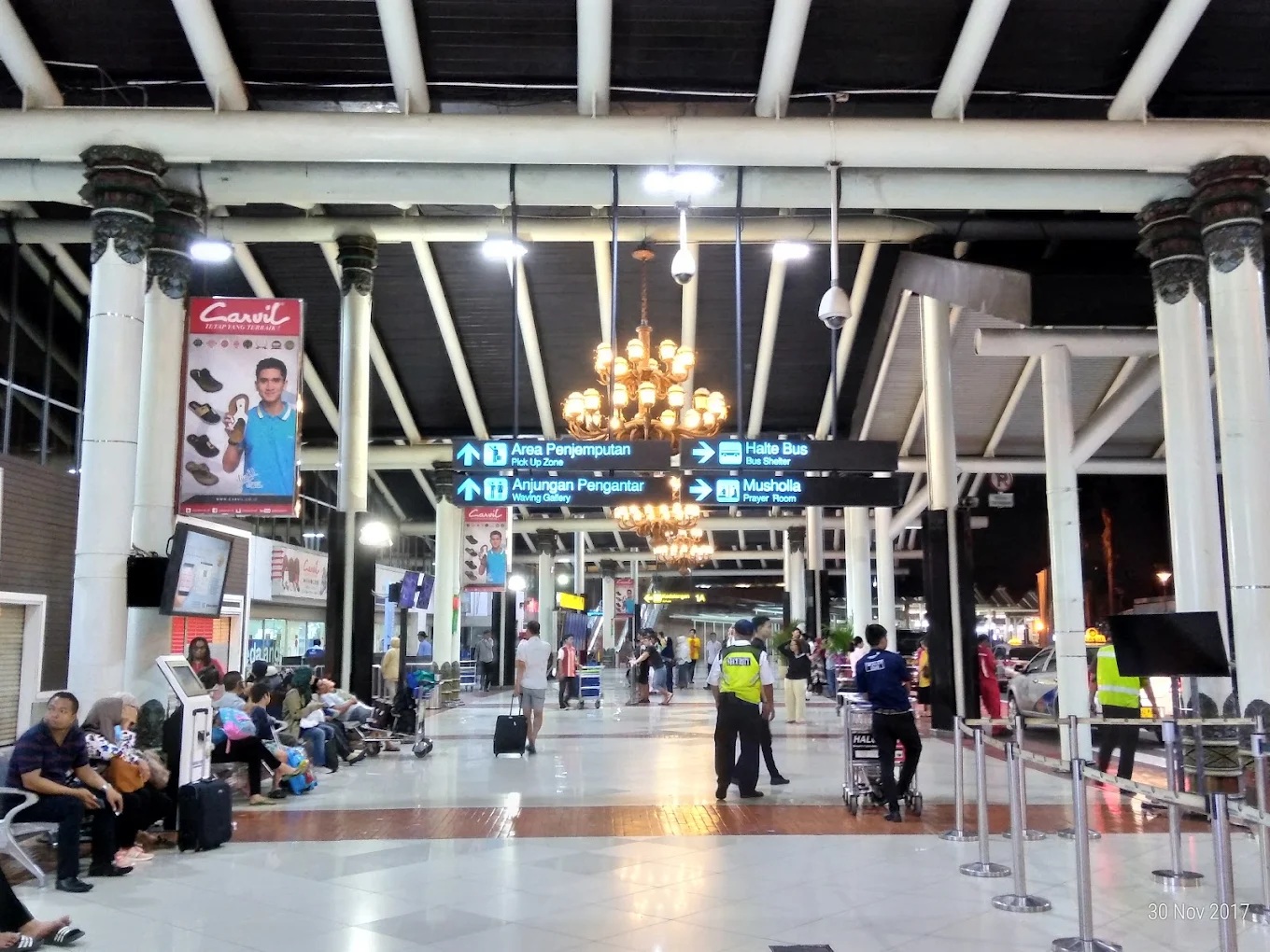
The Transport Ministry confirmed via Instagram early Tuesday that operations at Soekarno-Hatta International Airport—the primary gateway to Jakarta—and four other regional hubs have officially resumed as air safety conditions improve.
Jakarta’s flagship hub confirmed the reopening on social media, stating that “following the current volcanic eruption activity of Mount Anak Krakatau, Soekarno-Hatta International Airport has resumed flight operations.”
The restart triggers a massive recovery effort for airlines facing an unprecedented backlog. Over the weekend, eight airports shut down entirely as airborne ash threatened jet engines, grounding nearly 3,000 flights.
The fallout hit hard into Monday morning alone, with Soekarno-Hatta reporting over 240 domestic and international cancellations and delays affecting nearly 30,000 travelers. To manage incoming traffic during the peak of the crisis, officials had designated six alternate regional airports for Jakarta-bound flights.
Reopened facilities alongside Soekarno-Hatta include Jakarta’s dual civil-military hub Halim Perdanakusuma and Hussein Sastranegara in Bandung, West Java. With a small South Sumatra airfield resuming flights Monday, six of the original eight closed hubs are now operational, leaving two still shuttered.
The crisis began Saturday when Anak Krakatau—a notoriously volatile island volcano sitting in the Sunda Strait between Java and Sumatra—erupted, spewing lava and towering plumes of ash.
Born out of the catastrophic 1883 Krakatau caldera, the “Child of Krakatau” has remained continuously active, most disastrously in 2018 when a partial collapse triggered a tsunami that killed 429 people. – September 8, 2026