

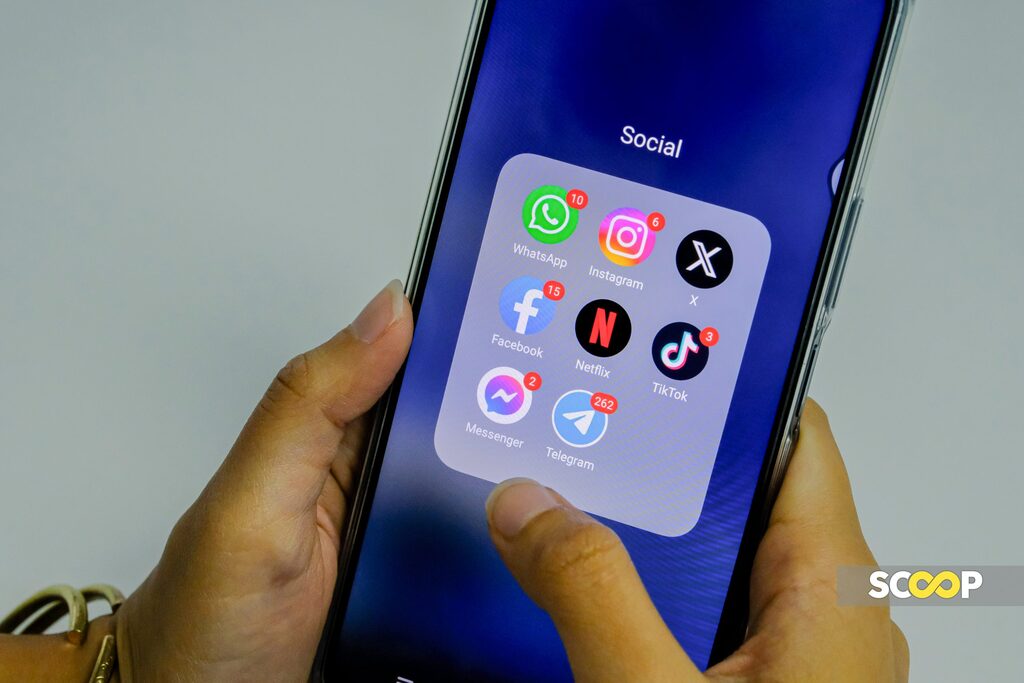
KUALA LUMPUR – Social media platforms must take proactive steps to prevent drug-related content from appearing and spreading online, rather than merely removing it after complaints are lodged, the Malaysian Communications and Multimedia Commission (MCMC) said.
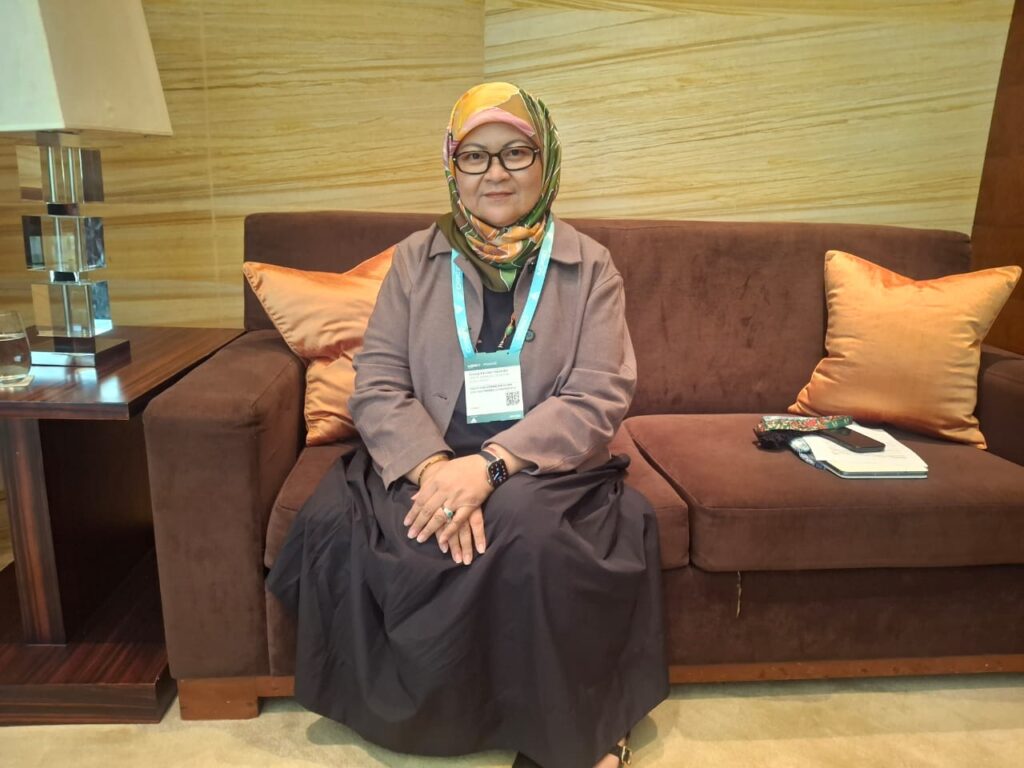
MCMC Deputy Managing Director (Development) Eneng Faridah Iskandar said the commission had submitted more than 7,000 requests to social media platforms to remove unlawful content this year, with an average takedown rate of 93%.
However, she stressed that the figure did not indicate that the problem had been resolved, as many instances could go unreported or remain undetected.
“Maybe there are many more that have not been reported. Or even the users, if they see it, they may not report it,” she said when speaking to reporters at GSMA M360 ASEAN today.
Faridah said MCMC’s responsibility was to report unlawful content regardless of whether a platform was licensed.
“We need to make sure that it doesn’t exist. But, how do we get the syndicates? That’s the role of the police,” she added.
Her remarks come amid growing concerns over the use of social media to facilitate drug sales, with Faridah noting that the issue extended beyond the content itself and involved a wider network.
“Drug trafficking in social media has a value chain, in terms of buyers and sellers, how it reaches the users, and so on. So, the actions that we take need to encompass the entire ecosystem,” she said.
Faridah also said MCMC was pushing platforms to assume greater responsibility under the Online Safety Act 2025 (ONSA), which is now in force.
The law requires platforms to take steps to mitigate risks associated with harmful content, including drug-related material. Faridah said operators should not wait for regulators to identify every emerging threat.
“So, meaning they have to pre-identify risks that only they can know. Because they are operating the platform. They know what the risks are better than we do.”
“If they are seeing certain new risks and they are actually obliged and duty bound to then take steps to mitigate those risks.”
“Even before the regulator asks them, they should already have things that are in place,” she said, stressing the importance of proactive measures given the scale of social media use in Malaysia.
“Internet users are very diverse. So, imagine if 98% of Malaysians have social media accounts. So, the risk is very high,” she added.
Faridah said MCMC would continue working with social media platforms, the police and other relevant agencies to tackle drug-related content and trafficking.
At the same time, she said platforms needed to demonstrate the measures they were taking to prevent such material from spreading in the first place.
“So, we feel that how effectively we can report so that as long as the platform doesn’t act proactively, we will be losing the battle,” she said.
MCMC would also continue working with the Online Safety Committee, which comprises industry and civil society representatives, to identify emerging threats and advise on appropriate mitigation measures.
“So that the mitigation actions is taken even without the regulator’s intervention. So, that’s what the framework is designed for,” she explained.
Earlier, MCMC was directed to take action against e-commerce platforms and online marketplaces found selling illegal drugs, including fentanyl.
Communications Minister Datuk Seri Fahmi Fadzil said the directive followed concerns raised by Prime Minister Datuk Seri Anwar Ibrahim over the ease with which synthetic drugs, also known as “piu-piu”, could be obtained online. – September 9, 2026