

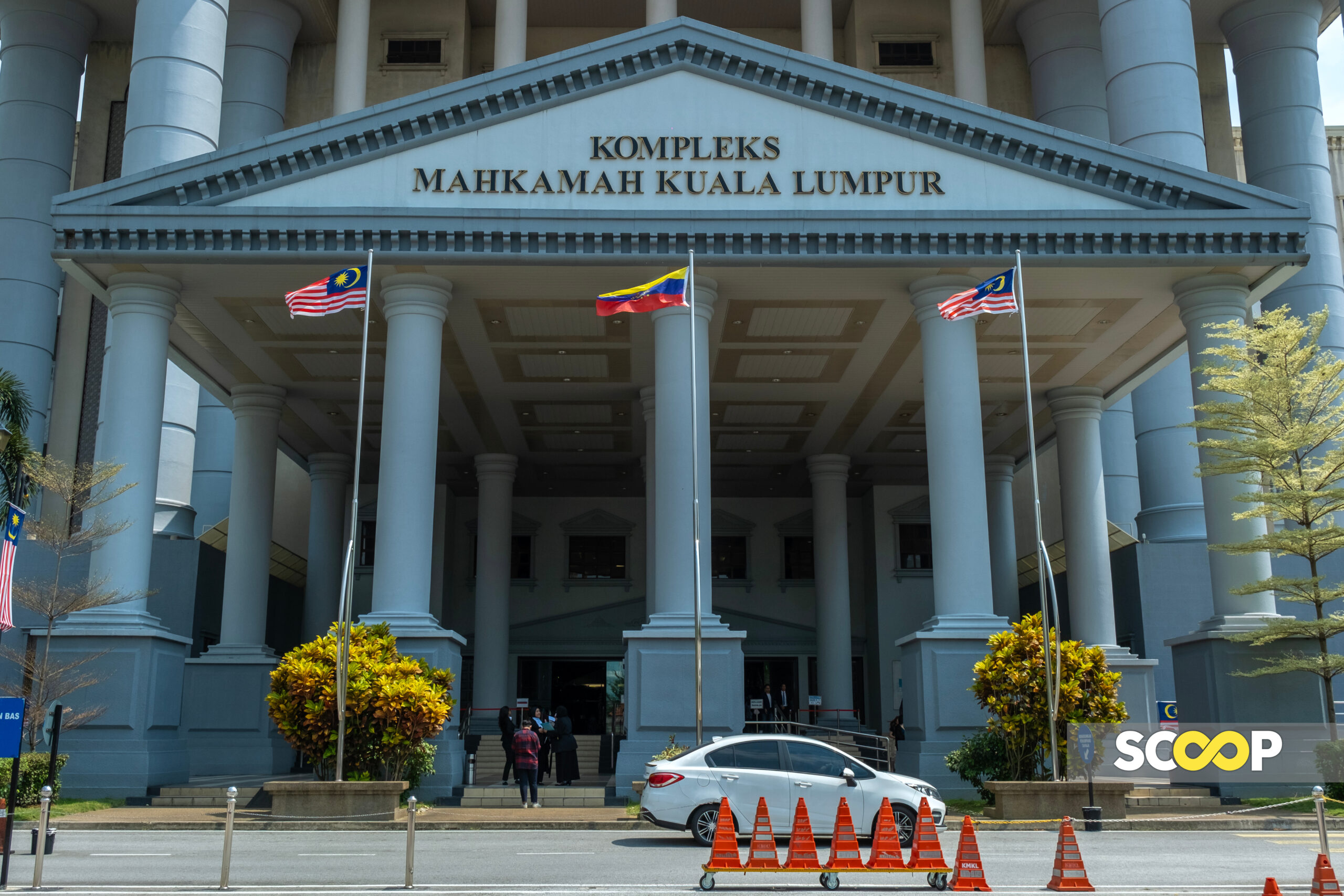

KUALA LUMPUR — A former director of Nautilus Tug & Towage Sdn Bhd should not be allowed to continue a derivative suit filed on behalf of the company after he ceased holding the position, the High Court was told.
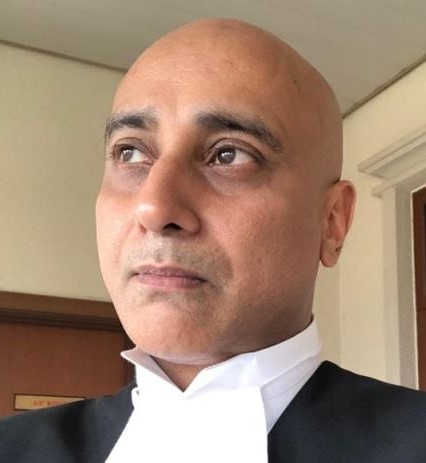
Senior advocate Datuk Seri Rajan Navaratnam, representing Nautilus Tug & Towage (NTT), argued that Datuk Seri Timor Rafiq’s (DST) legal standing to pursue the action was derived solely from his role as a non-executive director of the company.
He submitted that once Timor was no longer a director, he lost the legal standing required to maintain proceedings on behalf of NTT.
“In my respectful view, as it stands today, DST is a busybody. And he still wants to continue his allegations,” Rajan said during submissions on Friday.
A derivative action is a legal proceeding brought by an individual on behalf of a company, typically where the company itself is not pursuing a claim.
Rajan stressed that the issue before the court was not whether Timor’s allegations had merit, but whether he remained legally entitled to continue acting for NTT.
“Locus standi is a continuation that must be had until the final determination of the proceedings,” he submitted.
He argued that legal standing could not continue indefinitely after the circumstances that gave rise to it no longer existed.
Rajan cited several judicial decisions to support his argument that a litigant must have a sufficient legal interest or connection to the subject matter of a dispute.
“The plaintiff must possess an interest in the issues raised in the proceedings. He has none today,” he said.
He said Timor was neither a shareholder nor creditor of NTT and no longer held any position within the company, adding that his previous authority to initiate the derivative proceedings came from his directorship.
“Once that office was lost, he loses his locus standi to continue to act and maintain any proceedings for and on behalf of the company,” Rajan said.
The lawyer also raised concerns over Timor’s continued access to NTT’s confidential and proprietary information through the proceedings.
Referring to Section 350 of the Companies Act 2016, he questioned whether a former director should continue to have access to company documents and records.
“How can an outsider have access to all this?” he asked.
Rajan argued that allowing Timor to continue controlling the litigation would enable someone no longer associated with NTT to instruct solicitors, determine the direction of the suit and potentially make decisions that bind the company.
“If a director who was previously the complainant loses his position of office in the company, he must necessarily lose his authority to instruct solicitors, to direct and conduct a derivative proceeding, to enter into any kind of compromise, to have access to the company’s confidential and proprietary information and documents,” he submitted.
The derivative proceedings are part of a wider dispute involving NTT, Timor and Nautical Supreme Sdn Bhd (NSSB), a minority shareholder in the company.
According to background material related to the dispute, NTT was established as a special-purpose vessel-owning company to build, own and operate seven harbour tugs for Brazilian mining giant Vale’s Teluk Rubiah Maritime Terminal project in Lumut.
The project initially involved Nautilus Perak Marine Services Sdn Bhd, which was formed following discussions between Dwitasik Sdn Bhd and Azimuth Shipping Corporation.
However, Vale later changed its policy and decided it no longer wanted to own the tug assets, requiring the proposed operator to finance, construct and own the vessels instead.
The seven tugs were valued at about US$68.5 million. NTT was subsequently formed, with Azimuth Marine Sdn Bhd holding an 80% stake while NSSB held the remaining 20%, according to the background material.
The vessels were built at Shin Yang’s shipyard in Miri, while NTT entered into a 15-year Harbour Tugs Service Agreement with Vale, with projected revenue of about US$200 million. Azimuth Shipmanagement Sdn Bhd was appointed to manage the vessels.
The relationship between the parties later deteriorated, leading to disputes over NTT’s management and affairs.
Timor subsequently filed several derivative actions. One involved an incident where an NTT tug in Lumut suffered a casualty and was temporarily submerged during bad weather.
According to NTT’s account, the insurer and Marine Department Malaysia found no negligence by the ship manager or captain, while the insurance payout covered the vessel’s cost. The document states that the related derivative action was eventually dismissed.
The dispute has since resulted in more than 25 legal proceedings, according to the same background material.
Rajan also relied on an earlier High Court judgment concerning Timor’s position as an NTT director.
The background material stated that Timor’s directorship was vacated by operation of law and cited the judgment as finding that his loyalty to NTT had shifted towards NSSB.
“By August 2024, the Plaintiff’s loyalty to NTT had wholly transferred to NSSB,” the judgment was quoted as saying.
“He was no longer acting as a director of NTT. He was acting as NSSB’s agent within NTT, using his directorial position as a platform from which to prosecute NSSB’s commercial and litigation agenda.”
Rajan said those findings were relevant as they concerned the very position that had provided Timor with the standing to pursue the derivative proceedings.
He also rejected arguments that the case should continue simply because the litigation had progressed significantly.
“It is true that the courts, through its decisions, try and arrive at a fair and just result, but it can only do so within the confines of the law, not through some general and vague sense of fairness and justice,” Rajan quoted from an earlier judgment.
He maintained that the court could not amend the original leave order to replace Timor with another party merely because he no longer met the requirements to act as the complainant.
Rajan said while the Companies Act provided a mechanism for courts to discontinue derivative proceedings, it did not allow judges to alter the statutory requirements governing who could initiate or continue such actions.
“The statutory right must be present first to initiate and then, second, to maintain a derivative suit,” he submitted.
He argued that allowing Timor to continue would effectively permit someone with no current legal connection to NTT to control litigation conducted in the company’s name.
Rajan urged the court to set aside the basis on which Timor was continuing the derivative action.
Timor is represented by counsel Datuk Lim Chee Wee.
The next hearing has been fixed for Oct 2. – September 14, 2026