

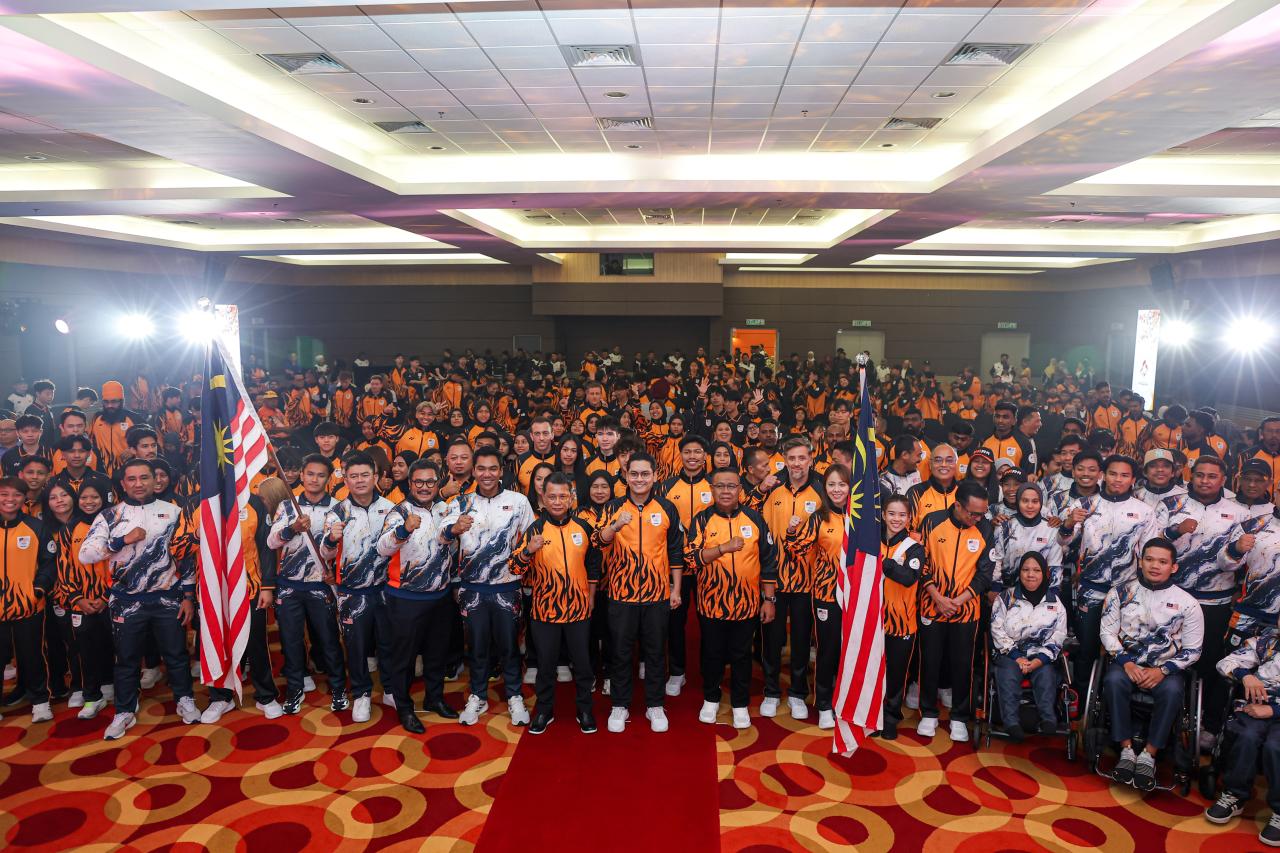

KUALA LUMPUR – Malaysia has activated contingency measures to protect its athletes from accommodation and logistical disruptions at the Aichi-Nagoya Asian Games, with the National Sports Council (NSC) and Olympic Council of Malaysia (OCM) preparing alternatives for teams whose rooms have yet to be confirmed.
The move comes amid mounting pressure on accommodation capacity in Japan, with the Games expected to involve around 17,000 athletes and officials.
Unlike a conventional Asian Games with a single athletes’ village, organisers are using a combination of hotels and temporary accommodation, including a cruise ship and purpose-built wooden units at Nagoya Port.
Among the arrangements is the Italian cruise ship Costa Serena, which can accommodate between 4,000 and 5,000 athletes and officials during the Games.
Against this backdrop, the NSC has stepped in to ensure accommodation uncertainties do not disrupt Malaysia’s preparations.
The council has agreed to cover the cost of five additional hotel rooms for the national karate squad, which is due to arrive in Nagoya on Thursday.
The NSC said the five karate athletes had initially not been provided with accommodation by the organisers, prompting it to secure rooms at the official hotel at its own expense.
The accommodation status of 16 athletes and officials from the national archery squad, meanwhile, remains pending confirmation from the organisers.
Rather than wait for the issue to be resolved, the NSC has already secured 11 rooms at a separate hotel as a contingency measure.
“To avoid disrupting the athletes’ focus, the NSC has made reservations for 11 rooms at a separate hotel and will bear the cost, including transportation to the competition venue, if the organisers fail to provide confirmation on accommodation when they arrive on Sept 24,” the council said in a statement today.
So far, athletes and officials from women’s basketball, women’s cricket, equestrian, and the men’s and women’s hockey teams have arrived in Aichi-Nagoya and Tokyo, with accommodation provided by the organisers.
The NSC is also preparing for unpredictable weather conditions in Aichi and Nagoya, where heavy rain has lashed parts of the region in recent days.
Each Malaysian athlete has been provided with a raincoat, while the Malaysian contingent’s secretariat has prepared its own Safety Standard Operating Procedures (SOPs), in addition to the Natural Disaster Safety SOP established by the organisers.
NSC officials stationed in Aichi and Nagoya are also maintaining close communication with the organisers to ensure meals served to Malaysian athletes meet halal requirements.
“The assurance has been given for athletes staying at the Games Village and official hotels,” the NSC said.
As an added precaution, the NSC has brought ready-to-eat food supplies to Japan for athletes to use if necessary, including when suitable meals are unavailable.
This is also intended to reduce the need for athletes to source food outside official accommodation or competition venues.
Transport could present another challenge, with reports that some contingents have been forced to wait up to 40 minutes for vehicles to take them to competition venues.
The NSC said it had anticipated possible transport disruptions and identified external transport providers that could be engaged to ensure Malaysian athletes reach their venues without affecting their competition schedules.
“The NSC also expects transportation to competition venues to potentially pose a problem and has prepared a solution by identifying transport service providers that can be booked for the use of Malaysian athletes,” it said.
The council has also urged athletes to immediately inform team management of any issue that could affect their focus or preparations, allowing the matter to be raised with organisers and addressed as quickly as possible.
The Aichi-Nagoya Asian Games will take place from Sept 19 to Oct 4, with the scale of the contingent and the logistical demands of accommodating thousands of athletes and officials placing additional pressure on hotel and temporary accommodation capacity in the host region. – September 15, 2026