

KUALA LUMPUR – Residents of Taman Seputeh have voiced concerns over a proposed 1,291-unit residential development, warning that the project could place additional strain on the area’s roads and infrastructure while raising environmental and hillside safety issues.
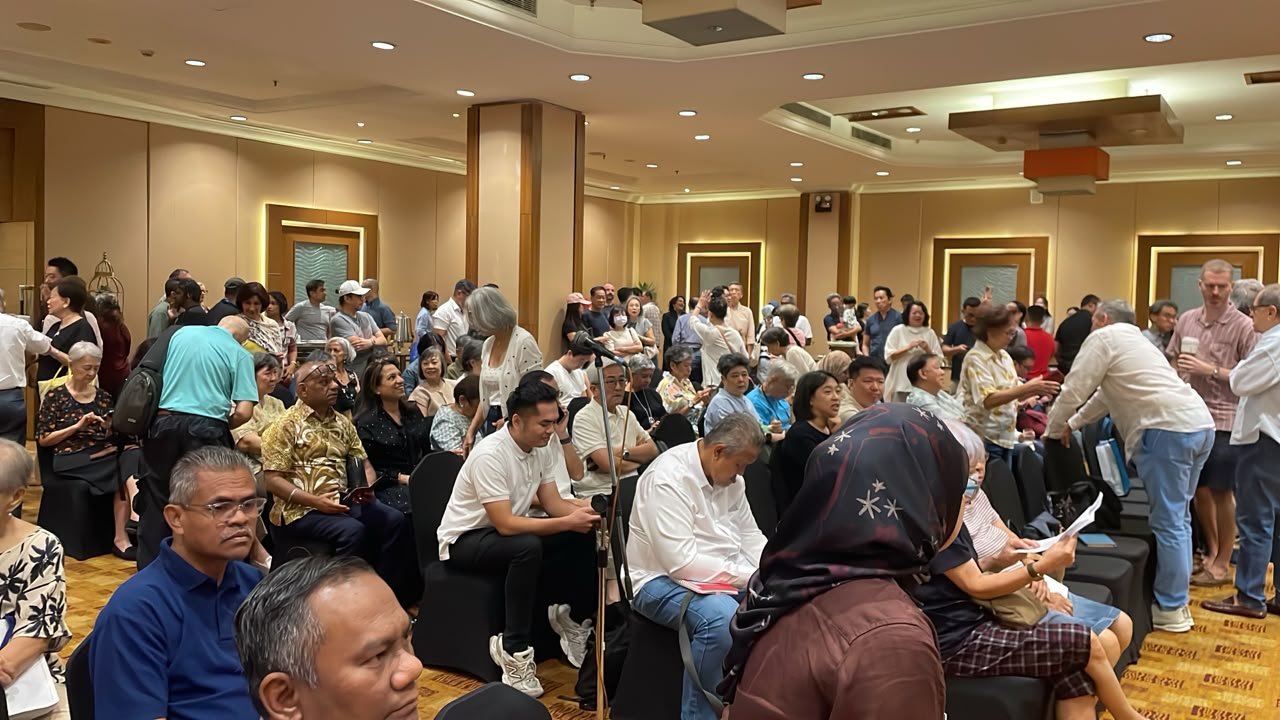
The three-phase project along Jalan Taman Seputeh was discussed at a public briefing involving Kuala Lumpur City Hall (DBKL), developer CPI Land Sdn Bhd, its consultants and residents from the Seputeh area.
While residents stressed that they were not opposed to development, they questioned whether the scale of the project could be accommodated safely by the neighbourhood’s existing road network, infrastructure and hillside environment.
The Participating Residents’ Associations and Management Bodies of Taman Seputeh, comprising nine associations, said many residents had lived in the area for more than three decades and were concerned about the potential effects on their homes, safety and quality of life.
“Development, residents said, should not mean that an established community has to sacrifice its safety, environment and quality of life,” said association representative Mohd Azmal Khan.
Traffic emerged as one of the main issues during the briefing, with residents questioning how the existing roads could cope with vehicles generated by about 1,291 additional homes, as well as construction traffic over the project’s development period.
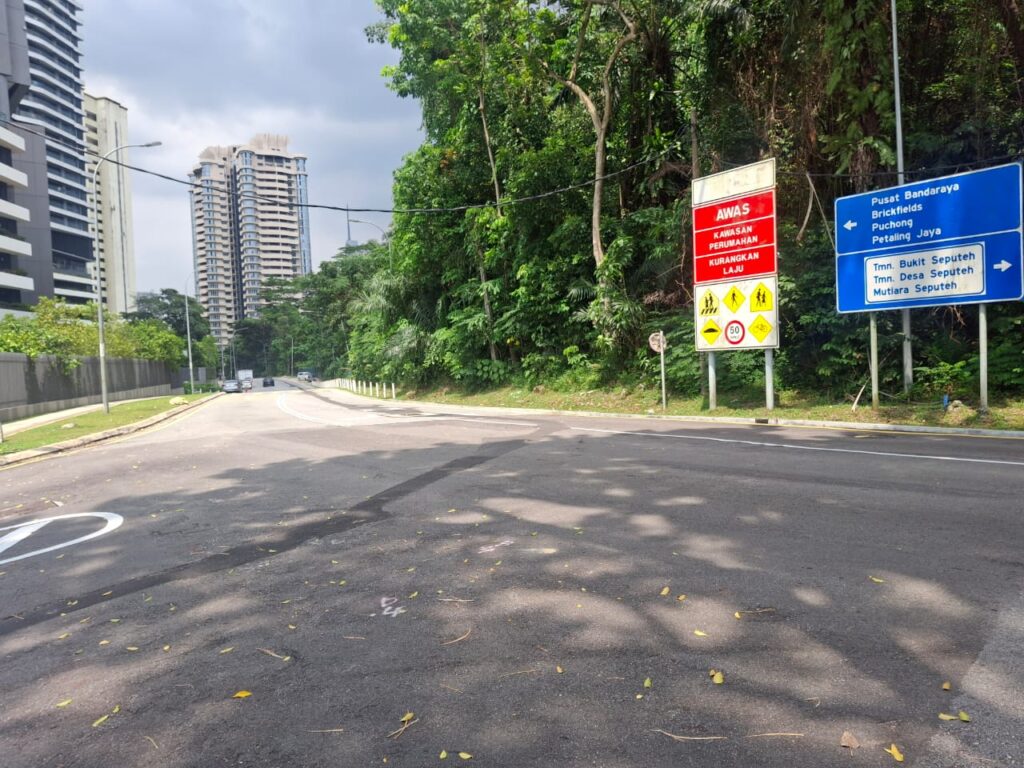
A Taman Seputeh resident told Scoop that the neighbourhood was already served by a constrained road network, with the closure of a former outlet towards Mid Valley leaving the area dependent on a single main access.
“The entry to this area is actually a bottleneck. One entry in. There was also a separate outlet at Mid Valley. That has been closed off,” the resident explained to Scoop.
The resident said the existing access road was only two lanes wide and questioned whether it could handle the additional traffic generated by the project.
According to the resident, the development could result in about 4,000 to 5,000 additional vehicles entering the area, while construction itself would generate another stream of heavy vehicles.
The project comprises six towers exceeding 60 storeys, with the tallest reaching 67 storeys, and is planned to be carried out in three phases.
“If we take three years” for each phase, the resident said, adding that the construction period could potentially stretch for 10 years and adding the during the period of construction there will also be lorries travelling in the road.
The resident said earth-moving vehicles, concrete mixers and other construction-related vehicles would have to use the already limited road network.
“Just think of the traffic. Construction lorries. Bringing earth out of the site,” the resident said.
Beyond traffic, residents raised concerns about excavation and alterations to the hillside, including possible implications for slope stability, drainage, surface runoff and landslide risks.
The residents’ associations said the developer’s consultants had outlined measures such as settlement, groundwater and ground-movement monitoring. However, residents said they wanted clearer information on how excavation and construction activities could affect surrounding slopes and neighbouring properties.
They also questioned the potential loss of vegetation and wildlife on the site, including birds and other fauna.
The proposed development site was described by one resident as an important remaining green area for the Seputeh community.
“This is only green. It is a greenfield site, a virgin place,” the resident said.
The resident questioned whether sufficient studies had been conducted into the flora and fauna on the site, noting the presence of eagles and other wildlife around the hill.
Residents also sought greater transparency over the project’s Environmental Impact Assessment and its findings.
The resident further argued that new infrastructure should be incorporated into the project rather than placing additional demands on existing facilities.
“In a greenfield site, you are obliged to pull in new infrastructure,” the resident said, arguing that existing infrastructure should not be further burdened by the development.
Concerns were also raised over the stability of the hillside, particularly during periods of heavy rainfall.
The resident said a geotechnical specialist who had lived in the area had raised concerns about slope stability, adding that lessons should be drawn from previous incidents involving landslides and flooding.
For the residents’ associations, the concerns centre on ensuring that development can proceed without compromising the safety of the established community or the surrounding environment.
“We understand that Kuala Lumpur must grow, and we are not against development. But development must respect the people who are already here,” Azmal explained.
“What we are asking for is responsible development that considers our elderly residents, our families, our homes, our roads, our hillside and our environment.”
Residents have called for relevant technical studies to be made available, outstanding concerns to be addressed and further engagement with the community to continue before any final decision is made.
They also requested that briefing materials be circulated ahead of future sessions to give residents and their professional advisers adequate time to review the proposals and provide feedback. – October 2, 2026