

KUALA LUMPUR – Malaysia must strike a balance between embracing technologies such as artificial intelligence (AI), the gig economy and e-commerce and protecting workers from their potential social and economic consequences, Communications Minister Datuk Seri Fahmi Fadzil said.
He said rapid technological change needed to be supported by effective workforce planning and regulation to ensure innovation did not undermine workers’ welfare or disrupt the existing business ecosystem, Bernama reported.
“On the government’s part, we want to encourage it, but it comes at a price. Meaning if it is too free without regulation, there will be consequences. If too many citizens lose their jobs or do not get fair wages, that is why there is pressure.
“So I see there must be a balance between allowing companies and businesses to do some ‘creative destruction’, but not to the extent of causing damage and social problems, and not to the point of disrupting public order,” he said.
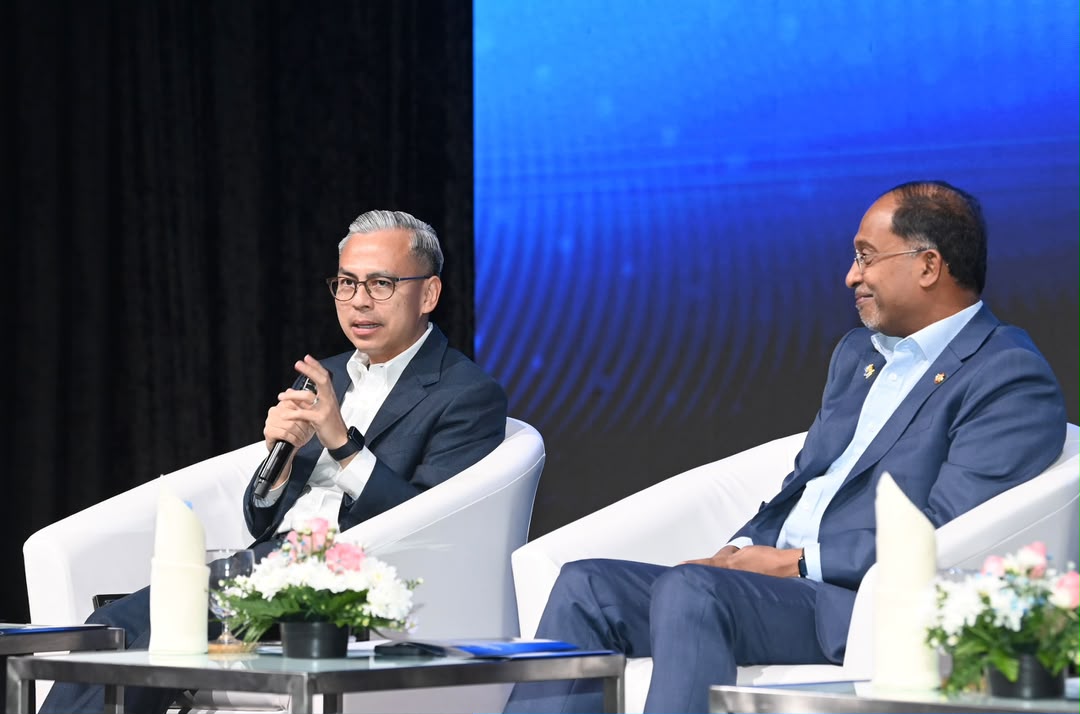
Fahmi was speaking as a panellist at the dialogue session, ‘Technology Driving Change: Is Malaysian Talent Ready?’, held in conjunction with the launch of the Communications and Multimedia Future Skills Framework (C&M FSF) and Strategic Talent Development Initiative at Angkasapuri here today.
Higher Education Minister Datuk Seri Dr Zambry Abd Kadir and Deputy Human Resources Minister Datuk Khairul Firdaus Akhbar Khan were also panellists at the session.
Speaking to reporters after the event, Fahmi said the emergence of new technologies should not only be viewed as a threat to existing jobs, as it could also create new areas of employment.
He assured university students, graduates and those pursuing Technical and Vocational Education and Training (TVET) that the government would work to ensure the evolving technology sector continued to provide employment opportunities, particularly for young people.
“In the sectors under the care of the Ministry of Communications, there are several things that companies need to take into account, including bachelor’s degree graduates, university leavers, and those who may come from TVET fields.
“On the government’s part, we will strive to ensure the available number of jobs allows these companies to hire more people, especially youths,” he said.
In a joint statement issued by the Ministry of Communications, Ministry of Higher Education (MoHE) and Ministry of Human Resources (KESUMA), the C&M FSF was described as a strategic reference for developing talent in the communications and multimedia sector over the next five to 10 years.
The framework, spearheaded by the Malaysian Communications and Multimedia Commission (MCMC), is intended to guide efforts to equip the workforce with skills aligned with evolving industry requirements.
The Future Skills Talent Council (FSTC) has also been established under the leadership of KESUMA, in collaboration with MCMC, to support implementation of the framework.
MoHE, meanwhile, will focus on strengthening university curricula and graduate competencies to better match the skills sought by future industries. – October 5, 2026