

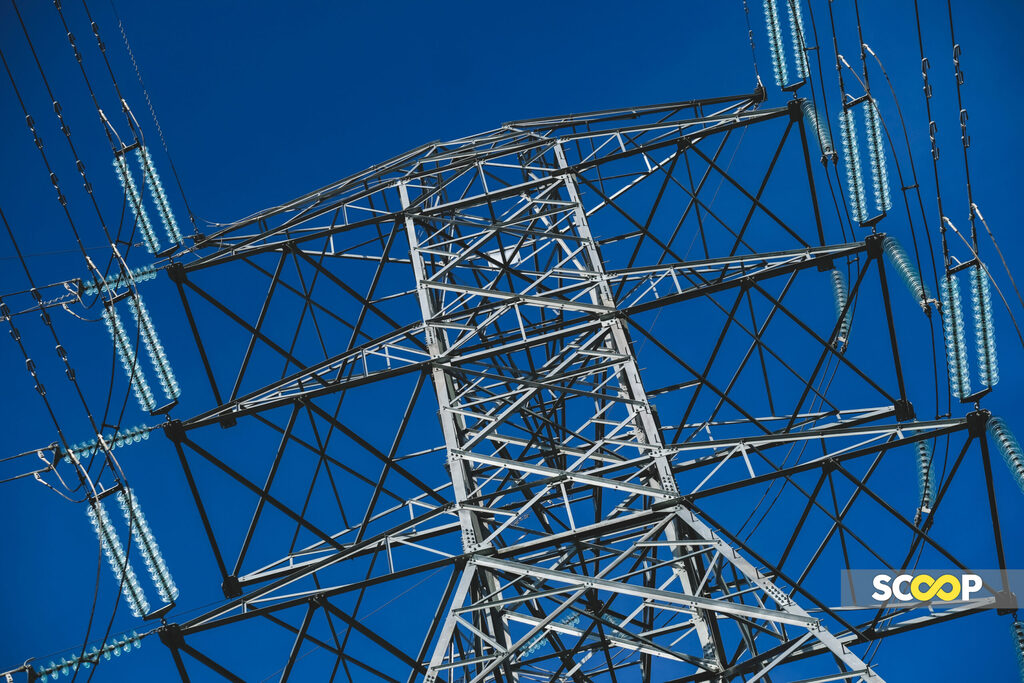
KUALA LUMPUR – Escalating geopolitical tensions in West Asia and security disruptions in the strategic Strait of Hormuz have sent global fuel prices soaring, triggering a direct hit on Peninsular Malaysia’s electricity generation costs.
Deputy Prime Minister Datuk Seri Fadillah Yusof revealed in Parliament today that gas and coal prices throughout the second and third quarters of 2026 far exceeded the baseline targets set under the Fourth Regulatory Period (RP4) framework.
The resulting cost spike has directly inflated electricity generation expenses across the peninsula, translating into higher Automatic Fuel Adjustment (AFA) surcharges on consumer bills.
Speaking during Ministers’ Question Time, Fadillah—who is also Energy Transition and Water Transformation Minister—explained that the global energy shock was further compounded by local operational strains.
A prolonged regional heatwave triggered a surge in air conditioner usage among households, while simultaneously weakening hydropower capacity. To make matters worse, planned maintenance at local coal-fired power plants forced electricity generators to rely heavily on expensive, imported liquefied natural gas (LNG).
“As a result, fuel procurement costs for electricity generation during this crisis surged well beyond RP4 projections,” Fadillah told the Dewan Rakyat in response to a query from Azli Yusof (PH-Shah Alam).
Addressing public outcry over rising household bills, Fadillah reassured Parliament that Putrajaya moved decisively to absorb the shock for the vast majority of citizens.
Under an expanded protection package announced on Sept 18 and backdated from Sept 1 through Dec 31, 2026, domestic consumers using up to 800 kilowatt-hours (kWh) monthly—equivalent to a bill of RM328 or less—are completely shielded. They face zero AFA surcharges, SST, or retail charges.
The relief measure covers approximately eight million domestic users, accounting for 90 percent of all households in Peninsular Malaysia.
Additionally, domestic consumers keeping their monthly consumption under 1,000 kWh remain eligible for energy efficiency rebates introduced under the updated tariff structure last year. – October 15, 2026