

EVERY time I hear Pachelbel’s Canon in D, part of me is back in my childhood living room watching the telly. I can’t recall the exact details apart from the fact that it was an orchestral performance sponsored by YTL that was being broadcast on RTM. What I can vividly recall though is the uplifting of emotions and sense of awe as I listened to the strings evolve, weaving over another. That evening began a love of classical music that I still carry.
In some ways, music is the closest thing we have to time travel. A few chords and we’re back to a room we left decades ago, along with the people who were in it. Brain imaging shows familiar songs engaging a region that binds music to personal memory, alongside areas tied to emotion. We are most attached to the music of our youth; one classic study found that our liking for pop songs peaks for those from around our 24th year. Musical memory often survives even advanced Alzheimer’s disease.
That attachment can become an economic force. In July 2025 Oasis played their first concert in 16 years, to a sold-out stadium in Cardiff. A film can still revive a song from the 2000s: after Saltburn used Sophie Ellis-Bextor’s 2001 single Murder on the Dancefloor, it climbed back to number two in the UK charts. In the United States, fewer than half of on-demand audio streams in 2025 were of songs released in the previous five years, according to Luminate data reported by the Associated Press.
The explanation is partly generational. Millennials now run studios, agencies and promotion companies, and have the spending power to buy the tickets. The music of our youth has become the soundtrack to our collective lives, and we will pay to hear it again.

That nostalgia carries a cost for new artists. A market that rewards the familiar is a hard place for the new. In America last year, streams of music released in the previous 18 months fell slightly even as total listening grew. Promoters bet on proven names, and algorithms recommend what we already like. A teenager in Kuching or Kangar writing her first songs today is competing with our nostalgia as much as with her peers, and not to mention AI. Someone has to write the songs that today’s 15-year-olds will travel back to in 2060 but we are not making it easy for them.
We have a tendency to celebrate musicians once they succeed, after which we claim them as national treasures. We seldom think about the years of poorly paid gigs, borrowed instruments and day jobs that came first. The arts are much of what makes us human – imagine a life without music – and yet we treat them as something that will look after itself.
Targeted public support should follow. Grants, subsidised venues and promotional slots belong with artists who need a leg up. Acts that the market already rewards handsomely can fill arenas without public money, and should not cannibalise others.
Grant money often flows to the best application writers and those who are familiar with the ecosystem, and not almost the most promising talent. That is a design problem with known remedies: many small grants in place of a few large ones, a share reserved for first-time applicants, panels that include working musicians, and published lists of who received what.
Next year gives us reasons to act. We mark 70 years of Merdeka on 31 August 2027. The Visit Malaysia campaign, launched for 2026, has been extended to the end of 2027. From 18 to 29 September, Malaysia hosts the SEA Games across Kuala Lumpur, Penang, Johor and Sarawak. These milestones will be judged on visitor arrivals, medals and economic growth. They should also be judged on what they do for the development of the nation’s soul.
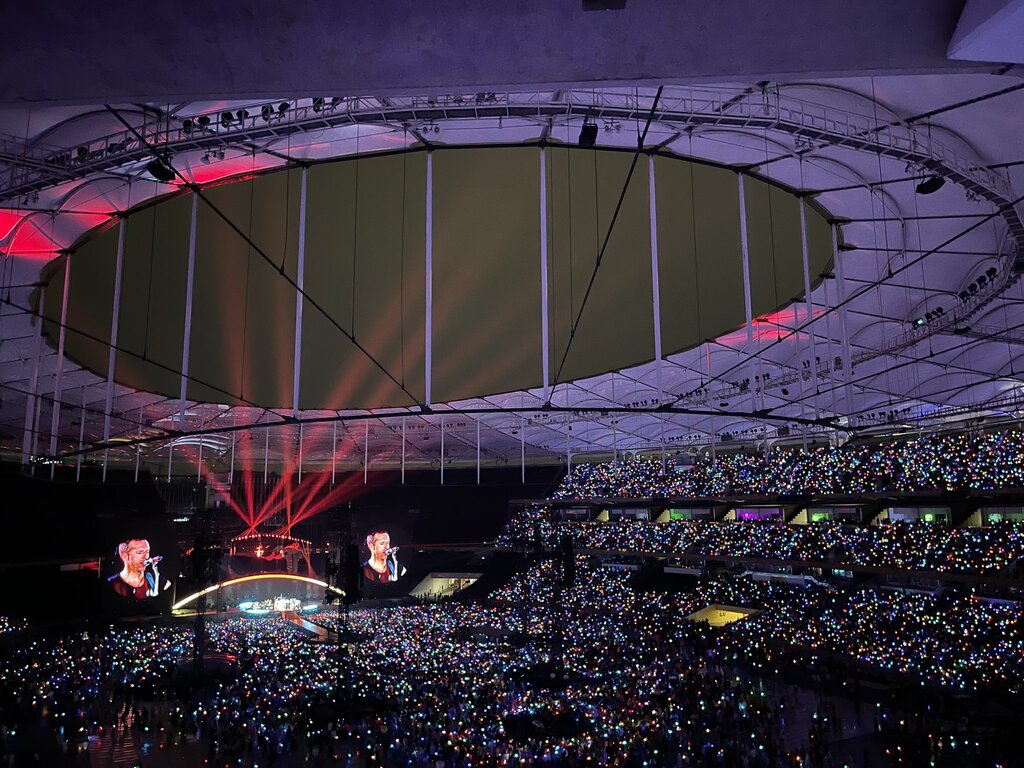
Public venue operators have a part to play. Perbadanan Stadium Malaysia (PSM), which I chair, manages some of the largest stages in the country. Ideally those stages could do more for the next generation of memory-builders.
Local acts could open for visiting headliners. Plazas and concourses could host performances by young musicians on event days.
The partnership model already exists. It once put a privately sponsored concert on a public broadcaster and into my living room (and it’s also a demonstration of the marketing value of sponsoring the arts!).
The United Kingdom offers a more recent version. Since 2025, with the government’s backing, artists, promoters and venues have been adding a voluntary £1 contribution to tickets for arena and stadium shows of more than 5,000 capacity. The money goes to the LIVE Trust, which funds grassroots venues, promoters, festivals and artists, and by July 2026 the scheme had pledges on more than six million tickets. The Royal Albert Hall applies it to all its commercial rock and pop concerts and expects to raise about £300,000 a year.
A Malaysian version, voluntary, independently administered and fully transparent, could be piloted at national venues. Tax should not eat into it; in Britain, about a fifth of the money raised has gone to the Treasury as VAT. Promoters will say, with some justification, that production costs and ticket prices are already high. A ringgit on a ticket costing several hundred is unlikely to deter a fan. It also gives headline acts a simple way to invest in the scene that will supply their future support acts.
Somewhere in Malaysia next year, a child will hear a piece of music for the first time and feel what I felt in that living room. With some deliberate effort, the person who wrote it could be a young Malaysian we helped onto a stage. – October 31, 2026
Dr Helmy Haja Mydin is a consultant respiratory physician as well as Chairman of Perbadanan Stadium Malaysia and the Social & Economic Research Initiative (SERI).