


LINYI (SHANDONG) – Traditional Chinese handicraft with deep roots in rural heritage is finding new life in modern homes and international markets, offering fresh opportunities for Malaysia-China trade and industrial cooperation.
This was among the key takeaways from a Malaysian delegation’s visit to Linshu County in Linyi, Shandong Province, on October 27, where traditional willow weaving was showcased alongside modern manufacturing and agricultural enterprises.
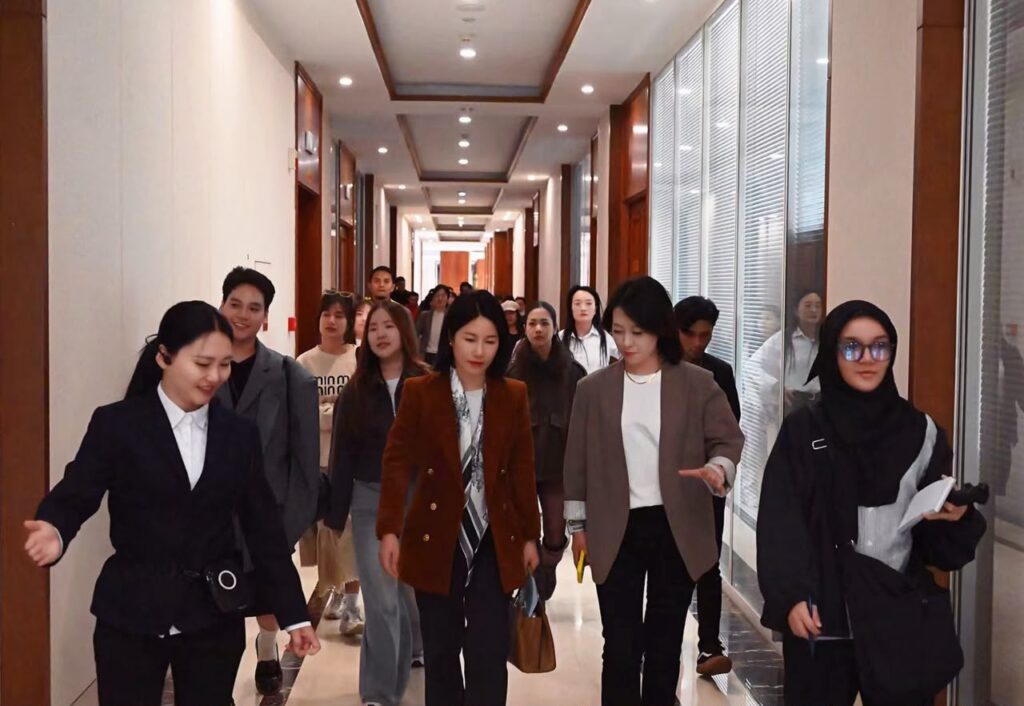
Led by Malaysia-China Trade and Economic Advancement Association (MCTEAA) Integrated Media Centre director Li Xiaoyan, the 23-member delegation comprised Malaysian media representatives, digital content creators and young scholars.
The group visited the Linshu Willow Weaving Crafts Museum, Stanley Group, Linyi Lumeida Crafts Co Ltd and Linyi O.LVY Agriculture Comprehensive Development Co Ltd to examine how local industries are combining traditional skills, technological development and commercial innovation.
Beyond gaining an understanding of Linshu’s cultural and industrial landscape, the visit sought to identify opportunities for Malaysian and Chinese businesses to work together in trade, agriculture, cultural communication and youth exchanges.
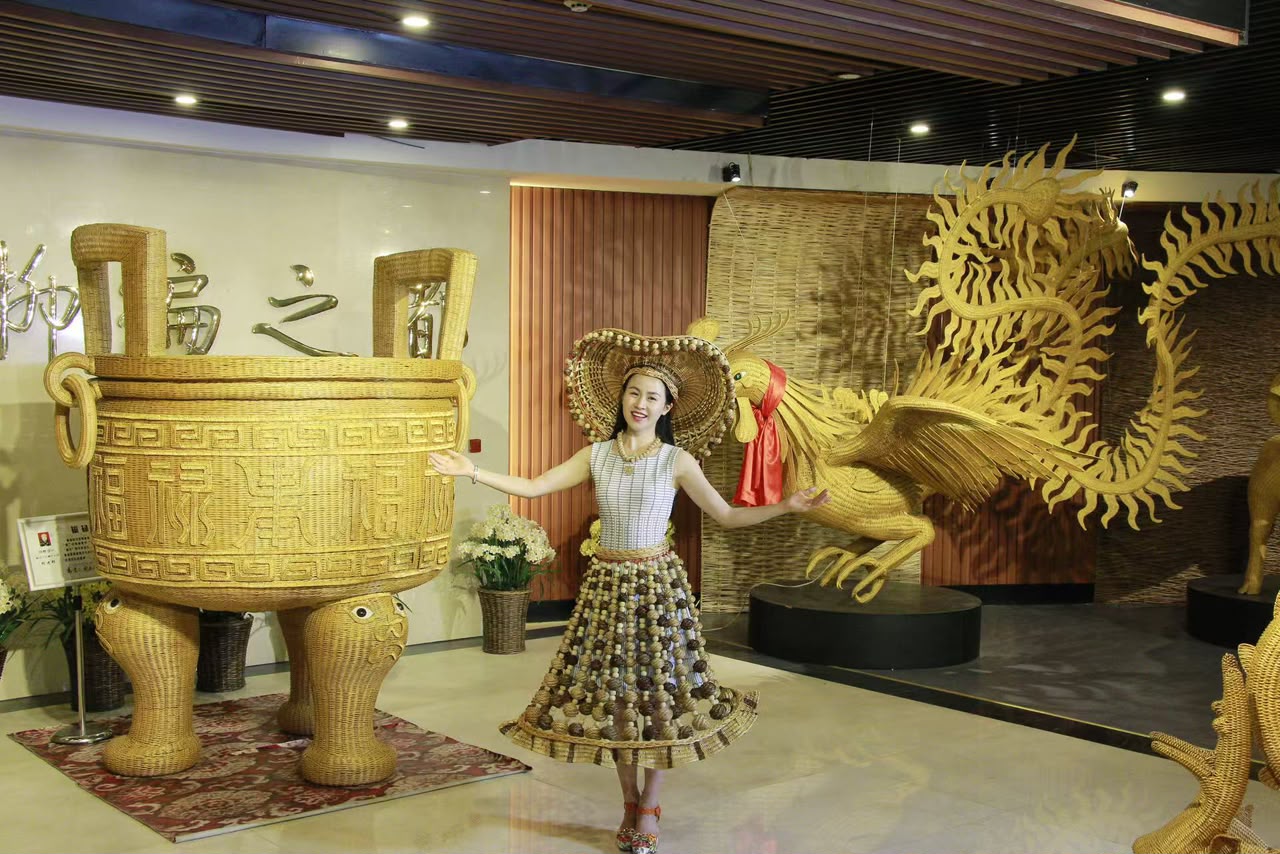
At the Linshu Willow Weaving Crafts Museum, the delegation was introduced to the history and techniques behind one of the county’s signature industries and its intangible cultural heritage.
The exhibits illustrated how willow weaving has evolved from producing everyday household necessities into a diverse range of contemporary products, including home decorations, gardening accessories and creative handicrafts.
The transformation reflects how traditional craftsmanship can remain commercially relevant by adapting to changing consumer preferences without losing its cultural identity.
Linshu has developed an integrated industry around willow weaving, covering raw material cultivation, production, product design, branding and exports. Businesses have also explored cross-border e-commerce, creative design and cultural tourism to expand the craft’s reach beyond domestic markets.
For Malaysian businesses, the industry offers a potential avenue to explore products that combine traditional craftsmanship with contemporary design, particularly in home furnishings, gardening, gifts and lifestyle accessories.
The challenge, however, lies in translating cultural appeal into commercial value through product development, competitive pricing, effective distribution and access to overseas consumers.
The delegation’s visit also extended to Stanley Group, where members learned about the company’s operations in modern agriculture, fertiliser manufacturing and agricultural services.
The company demonstrated the role of industrial expertise and technological innovation in supporting agricultural productivity, an area with potential relevance to Malaysia-China cooperation.
With agriculture remaining an important component of bilateral economic relations, exchanges involving agricultural technology, inputs and sustainable farming practices could provide further opportunities for collaboration.
At Linyi Lumeida Crafts Co Ltd, the delegation examined how local handicraft producers are combining willow weaving with materials such as wood and straw to develop products suited to contemporary lifestyles.
The approach reflects a broader effort to move beyond conventional handicrafts by incorporating traditional techniques into modern home décor and functional designs.
Meanwhile, the visit to Linyi O.LVY Agriculture Comprehensive Development Co Ltd offered insights into the development of agricultural resources and the integration of distinctive local industries.
Taken together, the four visits demonstrated how Linshu is seeking to build economic value from its cultural heritage, agricultural resources and manufacturing capabilities.
For Malaysian companies, importers, distributors and potential investors, these industries provide opportunities to explore partnerships with Chinese producers while gaining access to a wider range of products and supply chains.

Malaysia’s position as a regional trading hub could provide Linshu businesses with a useful entry point into Southeast Asian markets, supported by established commercial networks and its multicultural consumer landscape.
For Chinese manufacturers seeking overseas expansion, establishing a foothold in Malaysia could offer opportunities to understand regional demand, build distribution partnerships and develop products suited to local preferences.
Willow-woven products, for instance, could find applications in home decoration, gardening, festive merchandise and sustainable lifestyle products. However, entering these markets would require businesses to consider differences in consumer tastes, pricing expectations, packaging and distribution.
The delegation’s composition also highlighted the role of media and digital platforms in supporting such commercial ambitions.
Bringing together journalists, digital content creators and young scholars, the visit provided an opportunity to document Linshu’s industrial development and introduce its cultural heritage to Malaysian audiences.
Through news reports, short videos, product showcases and digital storytelling, the delegation can help raise awareness of local enterprises while giving potential commercial partners a better understanding of their products and capabilities.
Such exposure could complement conventional trade promotion by connecting cultural storytelling with business opportunities, allowing Malaysian consumers and industry players to discover products that might otherwise remain unfamiliar.
Ultimately, Linshu’s willow-weaving industry illustrates how traditional skills can be preserved while being adapted to the demands of modern commerce.
For Malaysia and China, the opportunity lies in turning these cultural and industrial connections into practical partnerships, with Malaysia potentially serving as a bridge for Linshu’s distinctive products to reach consumers across Southeast Asia. – November 3, 2026