

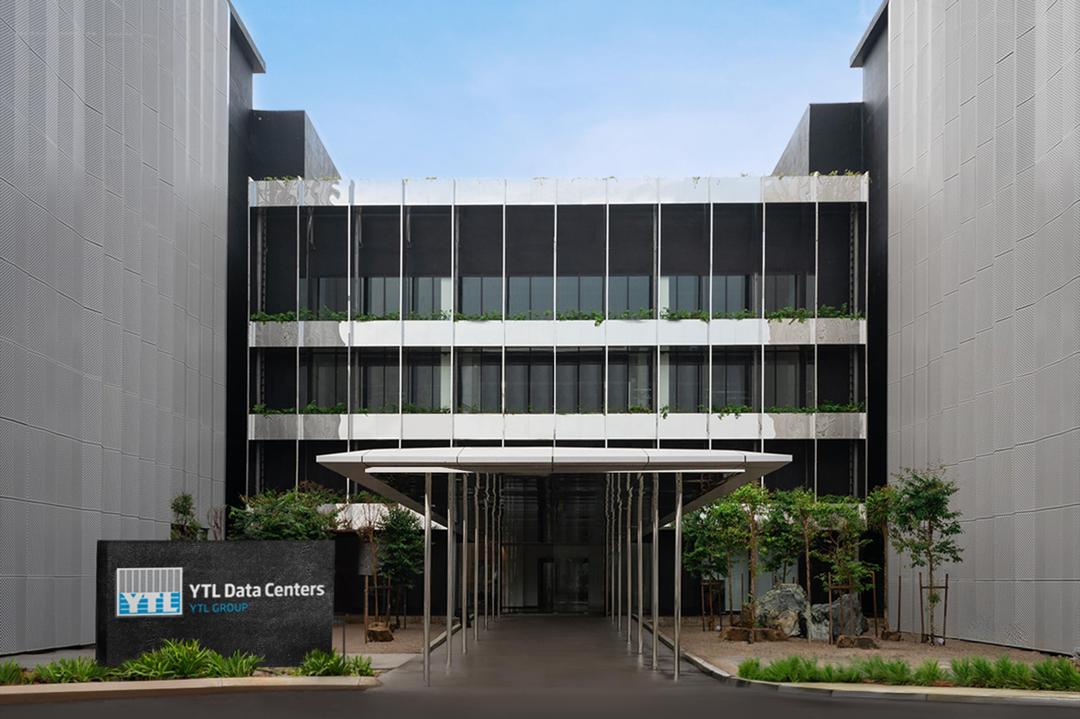
KUALA LUMPUR – YTL has denied involvement in the ongoing Nvidia controversy, rejecting speculation that its data centres have assisted in the transfer of the US semiconductor company’s graphics processing units (GPUs) to Chinese customers.
“These speculative and unsubstantiated reports are completely untrue.
“YTL data centres provide co-location services in Johor to multiple global customers under arrangements that are compliant to both local laws and US trade controls,” the company said in a statement today.
Its response follows a report by The New York Times that a YTL data centre in Johor was housing Speedmatrix Sdn Bhd, which ran Nvidia chips for Alibaba. This implied the Chinese tech giant had access to advanced AI hardware restricted under US export rules.
However, YTL said it has worked closely with the Malaysian Ministry of Investment (Miti), Trade and Industry on its data centre developments and complied with all applicable reporting and import requirements.
Its co-location services at its data centres include space, power, cooling and connectivity, it said.
Furthermore, YTL said the new interim final rule on remote access to advanced semiconductors issued by the US Department of Commerce Bureau of Industry and Security does not affect YTL’s co-location services.
“The rule focuses on importers of GPUs and providers of computing services to D:5 customers,” YTL said.
D:5 refers to a category of countries under US embargo.
The Johor-based Speedmatrix, a subsidiary of Singapore-based Megaspeed International, is in the headlines for its link through its parent company to the turmoil in Nvidia and the AI sector in the fallout from Nvidia founder and long-time Jensen Huang’s extramarital affair with an alleged Chinese spy.
On November 13, Miti in a statement said as a tenant, Speedmatrix, was allowed to bring its own servers and AI chips into Malaysia for its operations. Currently, bringing AI chips into Malaysia does not require a permit or license.
Miti, however, said a permit from the ministry is required for export, re-export, transhipment or transit of high performance US AI chips from or through Malaysia.
Miti also said it is is working with the Customs Department to determine whether any of the chips brought into Malaysia were re-exported to other countries. – November 20, 2026