


KUALA LUMPUR — Malaysia must use the Aichi-Nagoya Asian Games to measure its sporting system against Asia’s best, rather than judge the campaign solely by the number of medals won, says senior sports analyst Sadek Mustaffa.
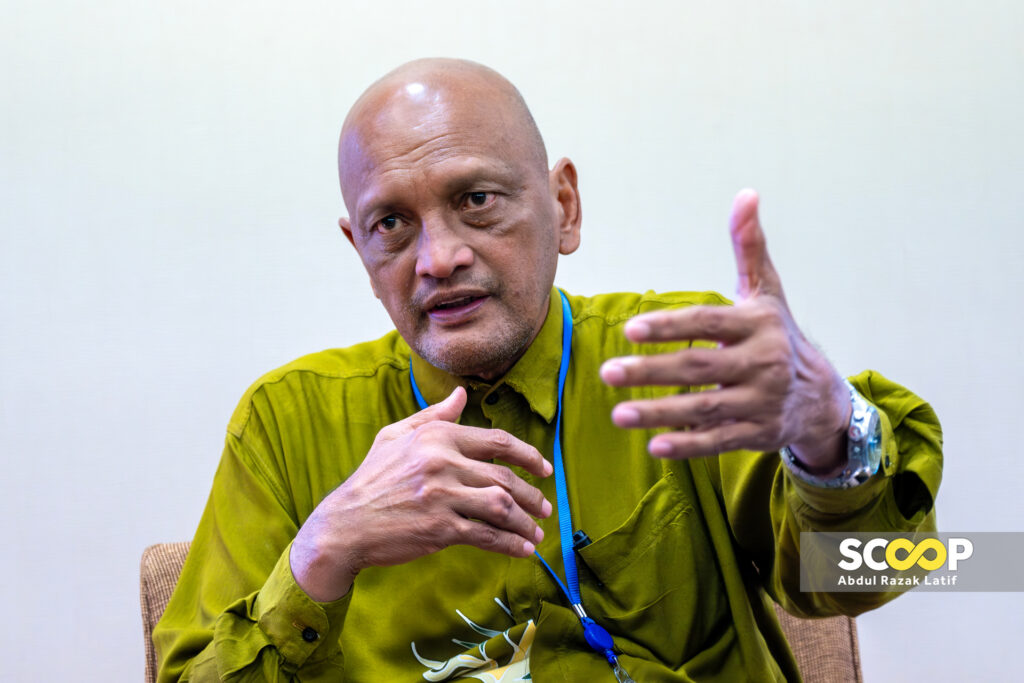
Speaking to Scoop, the Universiti Teknologi MARA (UiTM) sports science lecturer said Malaysia should be confident enough to target eight gold medals, but stressed that the bigger purpose of the continental showpiece is to assess whether the country’s athletes are developing at the level required for the next Olympic cycle.
“There is no point avoiding strong opposition simply because we are worried about the possibility of losing medals. The Asian Games should be used as a benchmark to determine whether our athletes are genuinely progressing and whether our preparation programmes are working.
“This is precisely the kind of competition our athletes need because it will show us their actual level when they are up against the best in Asia.”

With Malaysia expected to compete in more sports than at the Commonwealth Games, Sadek urged the National Sports Council (NSC), Olympic Council of Malaysia (OCM) and national sports associations to conduct a thorough assessment of athletes from the Sukma, Podium and Podium Development programmes.
“Their performances should be evaluated against the standards required for the Sea Games and the 2028 Los Angeles Olympic Games. From there, improvements can be made to their training programmes, preparation and overall development.
“We need to look at whether the athletes coming through these programmes are meeting the standards expected of them and, if not, identify what needs to change.”
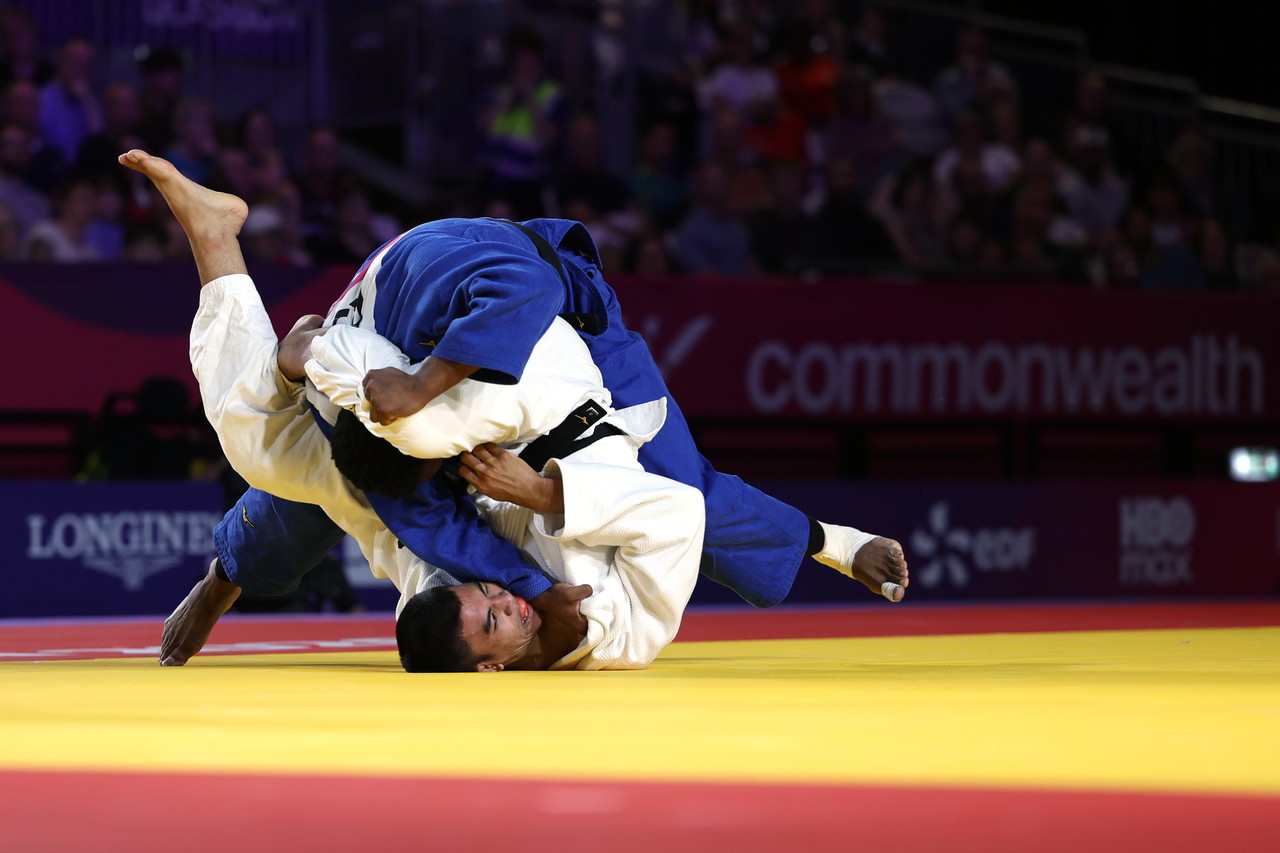
Sadek believes Malaysia should continue building around sports in which it has traditionally been competitive, including badminton, squash, silat, sepak takraw, wushu, bowling, judo and weightlifting.
“Major sporting nations use competitions such as the Asian Games to assess the true level of their athletes before major targets such as the Sea Games and the Olympic qualification cycle. Malaysia should adopt the same approach.
“As a country that spends relatively less on sports compared with some of the bigger sporting nations, we should not be afraid to compete against the best. This is the level of competition required if we want to identify where our strengths and weaknesses really are.”
He also believes there is little value in making last-minute preparations specifically for Aichi-Nagoya, with athletes outside the Commonwealth Games squad expected to already be following programmes aligned with the wider Olympic cycle.
“It is already too late to talk about making major preparations specifically for the Asian Games. Athletes who are not involved in the Commonwealth Games should already have their training programmes mapped out according to the Olympic cycle, as well as their respective world championships and other major international competitions.
“They should already be in a position to compete, whether the outcome is winning a medal or achieving a particular performance target. What matters is that their performances place them on the right trajectory towards the 2028 Olympics.”
Sadek also believes accountability for Malaysia’s performance should rest with the organisations responsible for developing its athletes, rather than being placed entirely on the competitors.
“Setting a target should not be viewed as putting pressure on the athletes. Instead, the pressure should be on the national sports associations, the NSC and the OCM.
“These are the organisations responsible for identifying the athletes, developing them, providing the appropriate training programmes and ensuring that they have the best coaches and support systems available.
“If an athlete fails to meet the target, we should also look at whether there are shortcomings within those three areas rather than immediately blaming the athlete.”
Meanwhile, sports analyst Datuk Dr Pekan Ramli believes Malaysia should be bold enough to target between seven and eight gold medals at Aichi-Nagoya, with sepak takraw, squash, badminton and wushu among the country’s leading prospects.
“This is an opportunity for us to prove that our success at the Sea Games and World Cup was not down to luck. We need to show that those performances can be sustained at the Asian Games level,” he told Scoop when contacted.
“If we can continue producing results against strong opponents, it will demonstrate that our success is the result of consistency, quality and proper preparation rather than a one-off achievement.”
However, the senior lecturer at UiTM’s Sports Science and Recreation Faculty cautioned that Malaysia must not set the target purely on past results, given the presence of Asian powerhouses such as China, Japan and South Korea.
“We have to analyse the current strength of our athletes, their recent results and the quality of the opposition they are likely to face. Setting a target is important because it gives the athletes and sporting bodies something to work towards, but it must be realistic and evidence-based.
“We should be ambitious, but at the same time we must understand the level of competition waiting for us in Aichi-Nagoya.” – August 11, 2026