

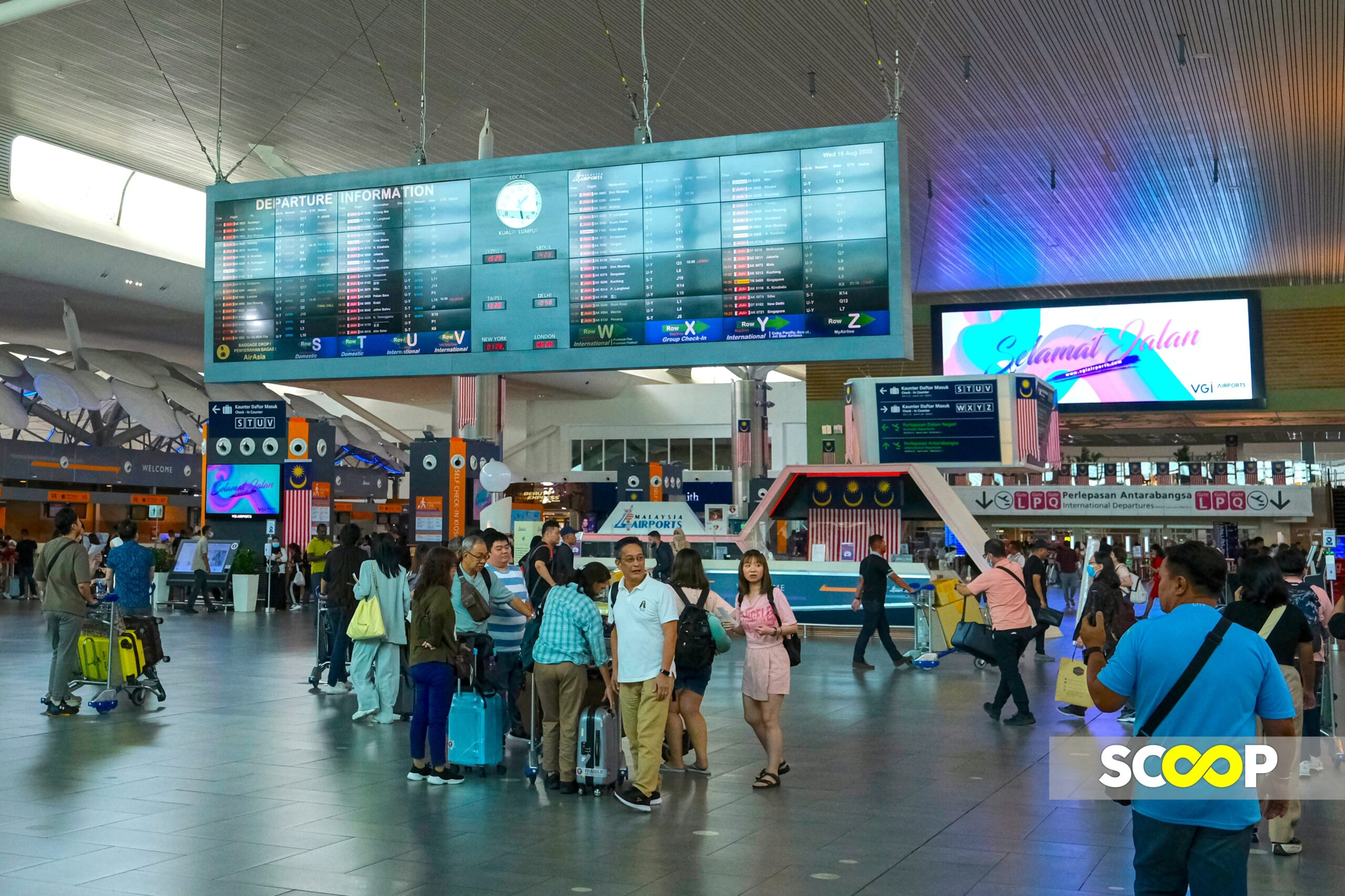

KUALA LUMPUR — Malaysia Airports has welcomed the government’s 2026 budget measures to upgrade the country’s airport network, saying the investments will boost connectivity and prepare the nation for an influx of visitors during Visit Malaysia Year 2026.
Managing director Datuk Mohd Izani Ghani said the initiatives — from major upgrades at key international airports to improvements at rural short take-off and landing airports (STOLports) — will ensure the country is ready to meet rising passenger demand.
Among the measures highlighted were the implementation of the Inter-Terminal Transfer facility at KLIA, upgrades at Pulau Pinang, Kota Kinabalu, Tawau and Miri airports, and improvements at smaller airports such as Marudi and Redang.
“The support will strengthen the readiness of Malaysia’s airport network, particularly in preparation for Visit Malaysia Year 2026,” Izani said in a statement after the budget presentation by Prime Minister Datuk Seri Anwar Ibrahim.
The government also announced RM50 million in matching grants to encourage more international and charter flights to Malaysia. Izani said this would improve global connectivity and attract more visitors, complementing the broader tourism drive.
Budget 2026 further supports the development of the Selangor Aero Park as a regional logistics hub, while the revitalisation of the Sultan Abdul Aziz Shah Airport in Subang into an aerospace industry hub is expected to accelerate the aviation ecosystem’s growth.
“These initiatives will reinforce Malaysia’s position as a key regional aviation hub,” he said.
Izani noted that since Malaysia Airports’ privatisation earlier this year, the company has focused on three strategic pillars: service, growth and capacity.
In 2025, upgrades at Ipoh Airport were completed, increasing its capacity to 700,000 passengers annually. The Kota Bharu Airport expansion, scheduled for completion in 2026, will boost capacity to 4 million passengers per year.
At the same time, connectivity has continued to improve, with ten new airlines entering the Malaysian market over the past year, reflecting sustained confidence in the country’s aviation sector.
“We remain committed to supporting national economic and tourism growth through the development of modern, efficient and competitive airports,” Izani said. — October 10, 2025