


KUALA LUMPUR – Malaysia’s diplomatic approach in response to the United States’ recent imposition of tariffs has been described as prudent, but analysts say greater transparency is needed to help the public understand the challenges involved in dealing with Washington, especially under President Donald Trump’s administration.
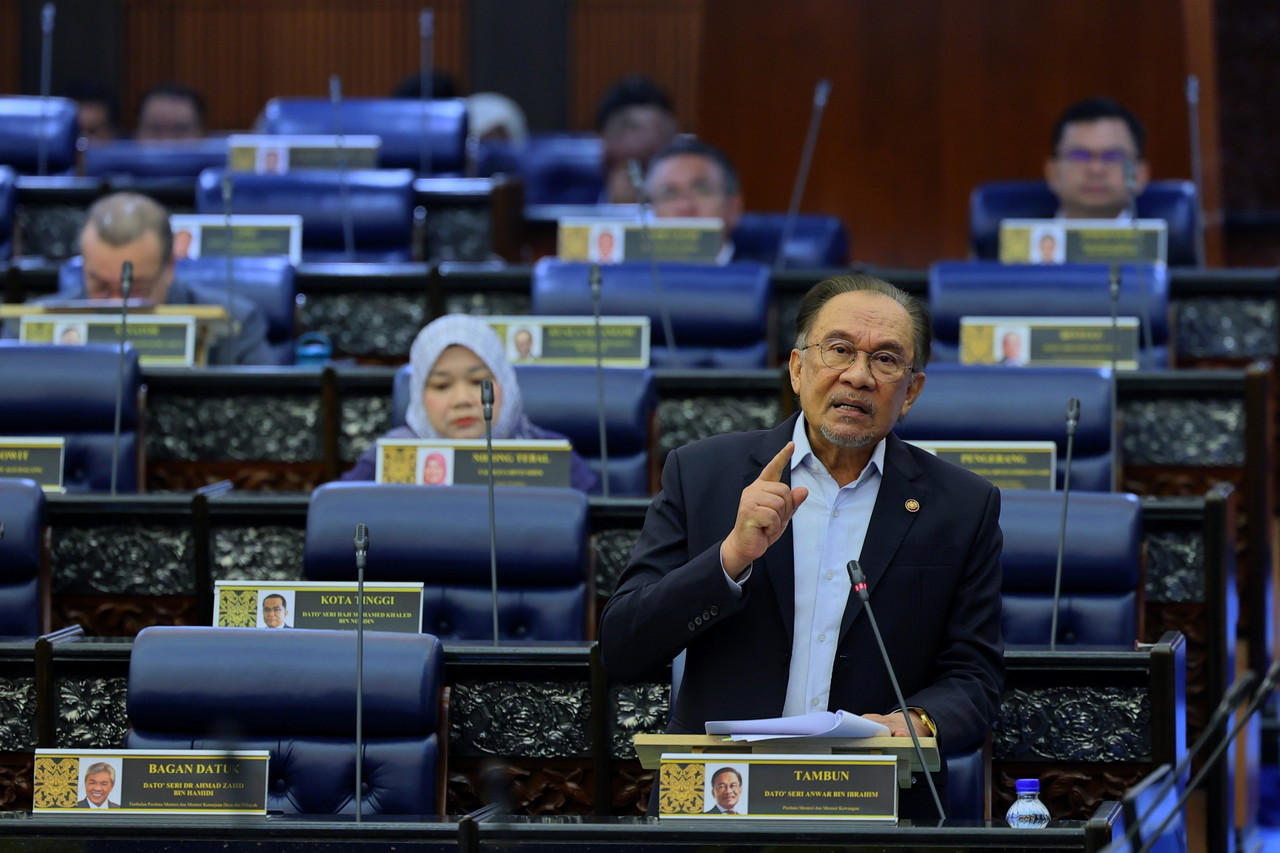
Speaking to Scoop, geostrategist Professor Azmi Hassan said Monday’s special parliamentary sitting must serve as a platform for Prime Minister Datuk Seri Anwar Ibrahim to candidly address the tariff issue and Malaysia’s strategy moving forward.
“The Prime Minister needs to be honest with the people that it’s not easy to deal with the Trump administration or even Trump himself,” he said.
“.. and while Tengku Zafrul (Investment, Trade and Industry Minister Tengku Datuk Seri Zafrul Tengku Abdul Aziz) has just returned from the US and the discussions he had with representatives of the Trump administration were positive, we should not expect the 24% tariff to be reduced to 10%.
“Even Singapore, a close US ally, did not get a 10% reduction, so I would consider 10% to be the minimum baseline.
“The issue here is that the Prime Minister must be upfront in explaining that the US holds greater leverage in these negotiations, and these advantages should be clearly communicated.
“What Tengku Zafrul and his team discussed, what the positive outcomes were – these need to be shared with the public,” he added.

Azmi, who is also a senior fellow at the Nusantara Academy for Strategic Research (NASR), stressed the need for clarity on how the tariffs could affect national revenue and employment.
“Explain the obstacles. For example, the US may be dissatisfied with our handling of intellectual property rights.
“Will this be used as leverage? Or will the US push us to reduce trade with China?
“If so, as President Xi Jinping has warned, this could have repercussions – and it’s crucial for the government to explain these complexities so the public understands the limits of what can be achieved at the negotiation table,” he said.
Meanwhile, economist Professor Barjoyai Bardai of the Malaysia University of Science and Technology said Malaysia must continue to uphold its neutral trade stance while championing key export products such as semiconductors, electronics and palm oil.
“With annual exports to the US worth over RM190 billion, Malaysia is the third-largest source of imports for Washington, strengthening its bargaining position during negotiations.
“The Prime Minister has managed the major power rivalry between the US and China in a balanced manner, pushing for better integration through enhanced trade and investment ties among Asean countries without taking sides.
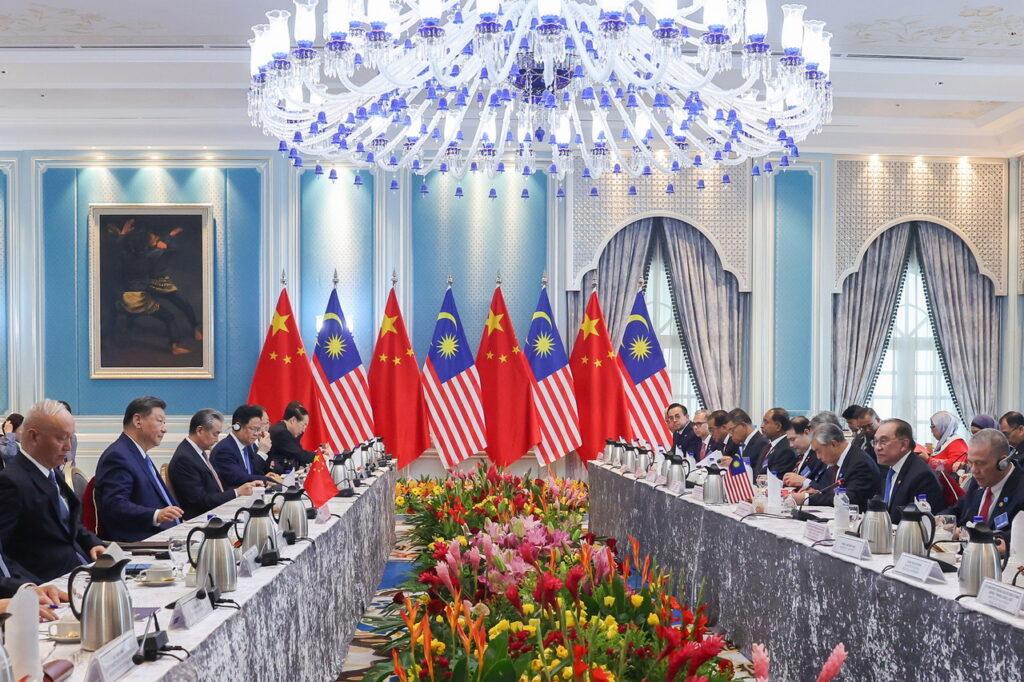
“This was evident during Chinese President Xi Jinping’s recent visit to Malaysia, where the Prime Minister – despite China’s strong trade and investment ties with Southeast Asia – called for a greater emphasis on multilateralism.
“From what Anwar has said so far, the Asean chair has demonstrated his diplomatic acumen by championing the voice of the Global South without provoking either major powers,” he said.
Senior lecturer Mohammad Tawfik Yaakub of Universiti Malaya’s Department of Political Science, Public Administration and Development Studies hoped the special parliamentary sitting on May 5 would lead to meaningful dialogue rather than political infighting.
“I would be pleased if the special sitting is used wisely to deliberate on solid proposals from both sides.
“It should not begin with shouting and chaos as seen in past sessions. Let this be an opportunity to display maturity and set aside political differences,” he said.
The US recently imposed a 24% retaliatory tariff on imports from Malaysia as part of a broader wave of global trade restrictions.
Among Asean countries, Malaysia’s tariff rate is lower than that of Vietnam (46%), Cambodia (49%), Laos (48%), Myanmar (44%), Thailand (37%), and Indonesia (32%), but matches Brunei (24%) and is higher than the Philippines (18%).
Bilateral trade between Malaysia and the US reached RM324.9 billion in 2024, with the US ranking as Malaysia’s third-largest trading partner, accounting for 11.3% of the country’s total trade. – May 2, 2025