

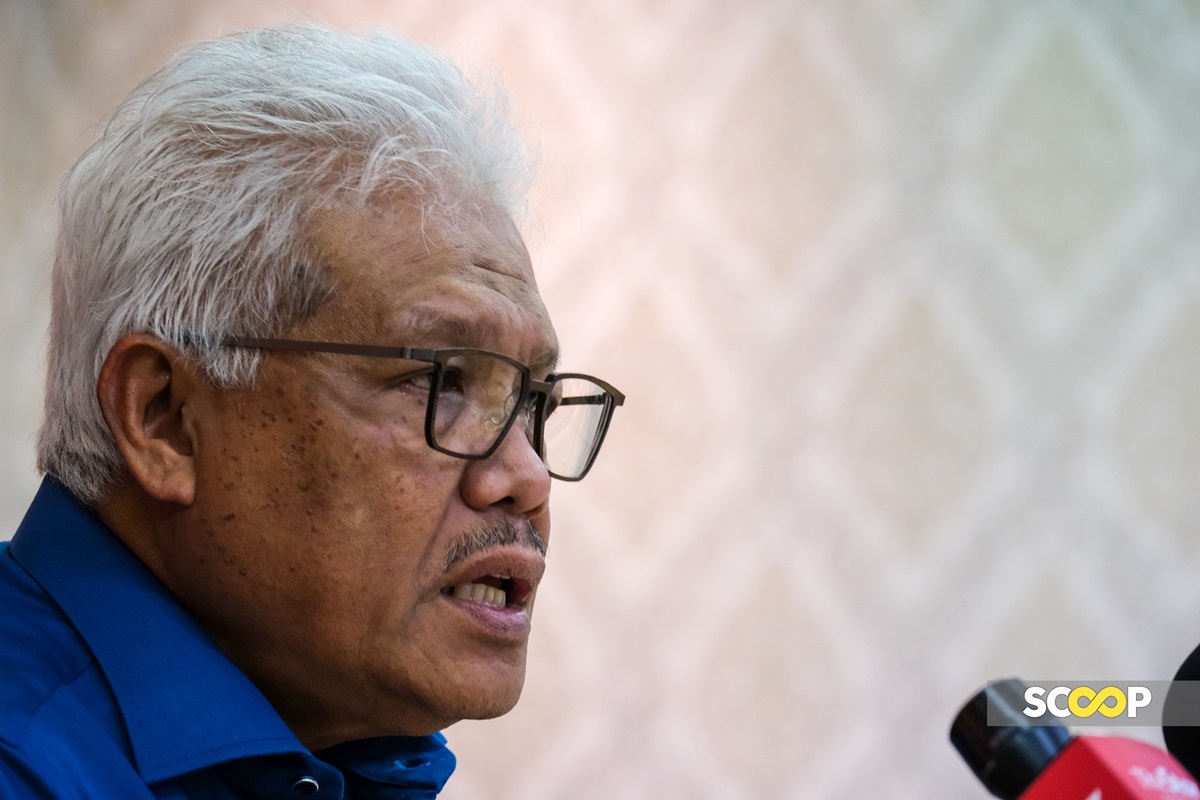
KUALA LUMPUR – Opposition leader Datuk Seri Hamzah Zainudin said that changes to national policies amidst global economic uncertainty could put pressure on costs, weaken business sentiment, and ultimately burden consumers.
He said that this step was necessary to demonstrate the government’s concern and its serious consideration of the effects of the retaliatory tariffs imposed by the United States.
“For example, I want to mention the proposed RON95 price hike in June, so the government should take this into account. If possible, we should delay it.
“The same goes for the proposed electricity tariff hike in July 2025, and we should also delay the expansion of the SST (sales and service tax) scope,” he said during a debate session on the special meeting regarding US tariffs in the Dewan Rakyat today.
Meanwhile, Lim Guan Eng (Bagan-PH) also suggested that, in addition to delaying the floating of RON95 to market prices, the government should freeze all proposals that could increase the burden on industry, such as taxes or the 14.2% electricity tariff hike, as well as the implementation of e-Invoice in July.
He added that the government’s announcement to delay the expansion of the SST scope on May 1 was very much welcomed.
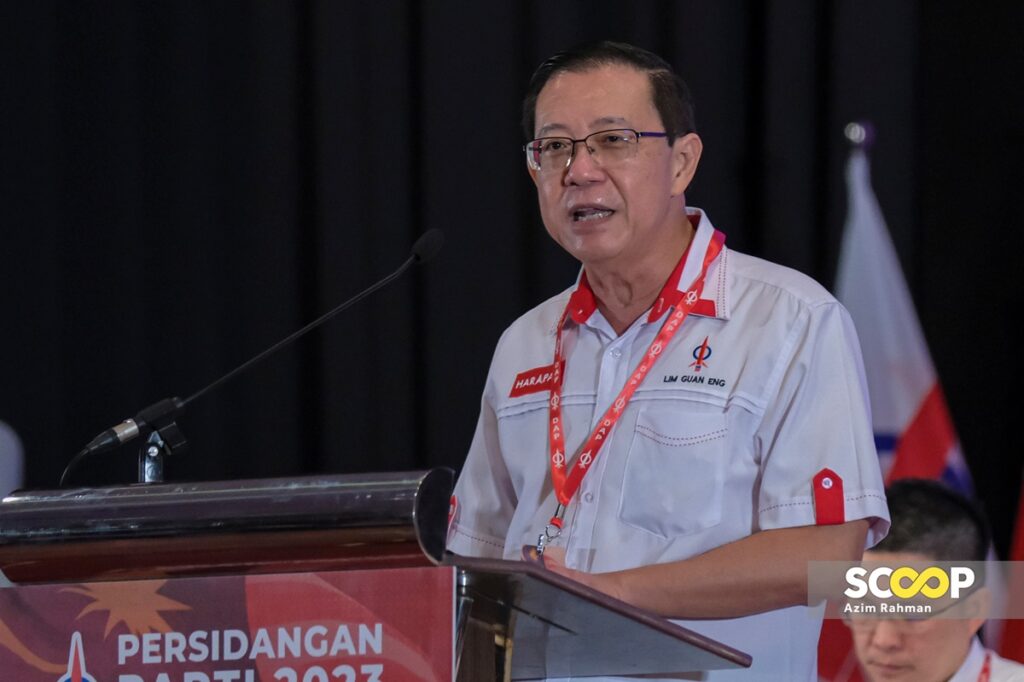
“The government should also consider withdrawing the proposal for a 2% EPF (Employees Provident Fund) contribution by employers for foreign workers.
“The Overnight Policy Rate (OPR) by Bank Negara should be reduced by 1%, from the current 3% to 2%.
“With inflation rates increasingly under control, the primary focus should be on driving economic growth, which can be achieved by lowering the OPR,” he said.
Guan Eng, who is also a former finance minister, said that an economic stimulus package for affected industries and workers who have lost their jobs should also be implemented.
“The government should also provide business opportunities and access to the local industry, where both foreign and local investors are required to purchase at least 50% of local products,” he added.
On April 2, US President Donald Trump announced that he had signed an executive order imposing retaliatory tariffs on 49 countries, effective from April 9.
In addition to Malaysia, which faces a 24% tariff, other affected countries include Cambodia (49%), Laos (48%), Myanmar (45%), Thailand (37%), Indonesia (32%), Brunei (24%), and the Philippines (18%).
However, on April 8, the US announced a 90-day delay in the implementation of these tariffs to allow room for negotiations. – May 6, 2025.