


KUALA LUMPUR – The decision to extend Tan Sri Azam Baki’s contract, making him the second-longest serving chief commissioner of the Malaysian Anti-Corruption Commission (MACC) after Tan Sri Abu Kassim Mohamed, has raised concerns among political figures and civil society groups.
Abu Kassim, who served from 2010 until his resignation in 2016, previously held the longest tenure as MACC chief commissioner.
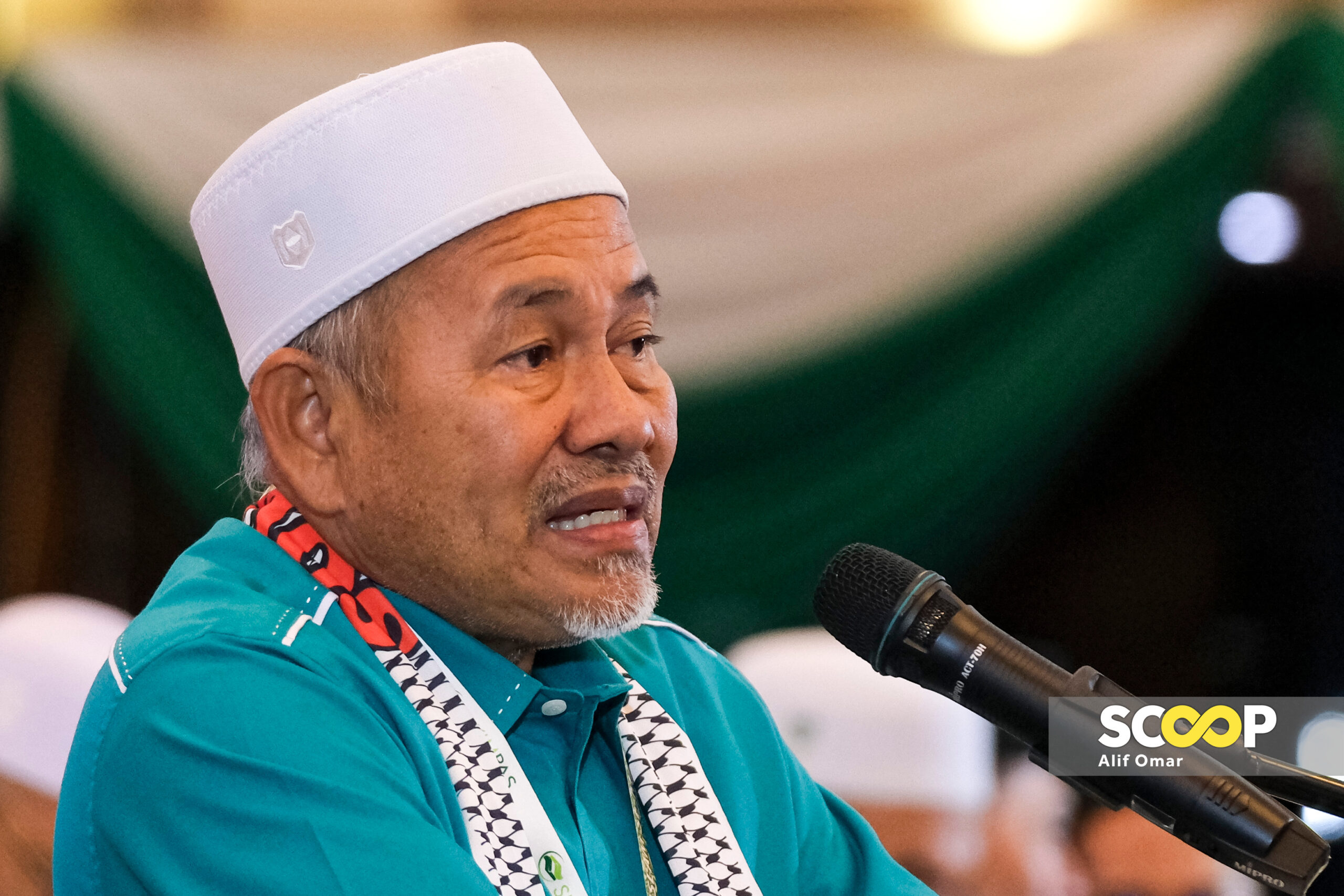
PAS deputy president Datuk Seri Tuan Ibrahim Tuan Man described Azam’s third contract extension as “odd”, suggesting it was not in line with public expectations.
According to media reports, Tuan Ibrahim cited MACC’s handling of the Sabah graft scandal as one of the reasons the decision was unexpected.
“I thought his tenure wouldn’t be extended, as it has already been renewed a couple of times. This is the third time, and that in itself is unusual,” he was quoted as saying at an event in Putrajaya today.
“If someone’s contract is extended for a third time, it is indeed odd and attracts public attention.
“Nonetheless, the government has made its decision, and it has the prerogative to do so.”
Tuan Ibrahim, who is also Kubang Kerian MP, said Azam’s reappointment could invite public criticism, particularly in light of what he sees as questionable handling of past cases.
He alleged that MACC has, in some instances, acted as though it were the judiciary by appearing to penalise suspects under investigation, despite no formal charges being filed.
“The police and MACC are not the judiciary—they don’t decide (who is guilty). But in many cases, those under investigation have effectively been punished, with their seized money paraded in public.
“The media and the public then go after these individuals, even though they haven’t been charged,” he said.
Tuan Ibrahim is the latest to join a growing list of critics questioning Azam’s reappointment.
Earlier, PKR vice-president Nurul Izzah Anwar called the contract extension “unwelcome” in a post on X.
Election watchdog Bersih also condemned the decision, saying it contradicts the institutional reform promises made by both Pakatan Harapan and Barisan Nasional during the 2022 general election.
The reforms included proposals for the appointment of key institutional heads—such as the MACC chief—to be vetted and approved by a bipartisan parliamentary committee.
“Every extension of Azam’s contract has bypassed the parliamentary committee responsible for scrutinising such appointments,” Bersih said in a statement.
“This latest reappointment is further proof that the Madani government lacks a clear roadmap for its reform agenda.” — May 11, 2025