

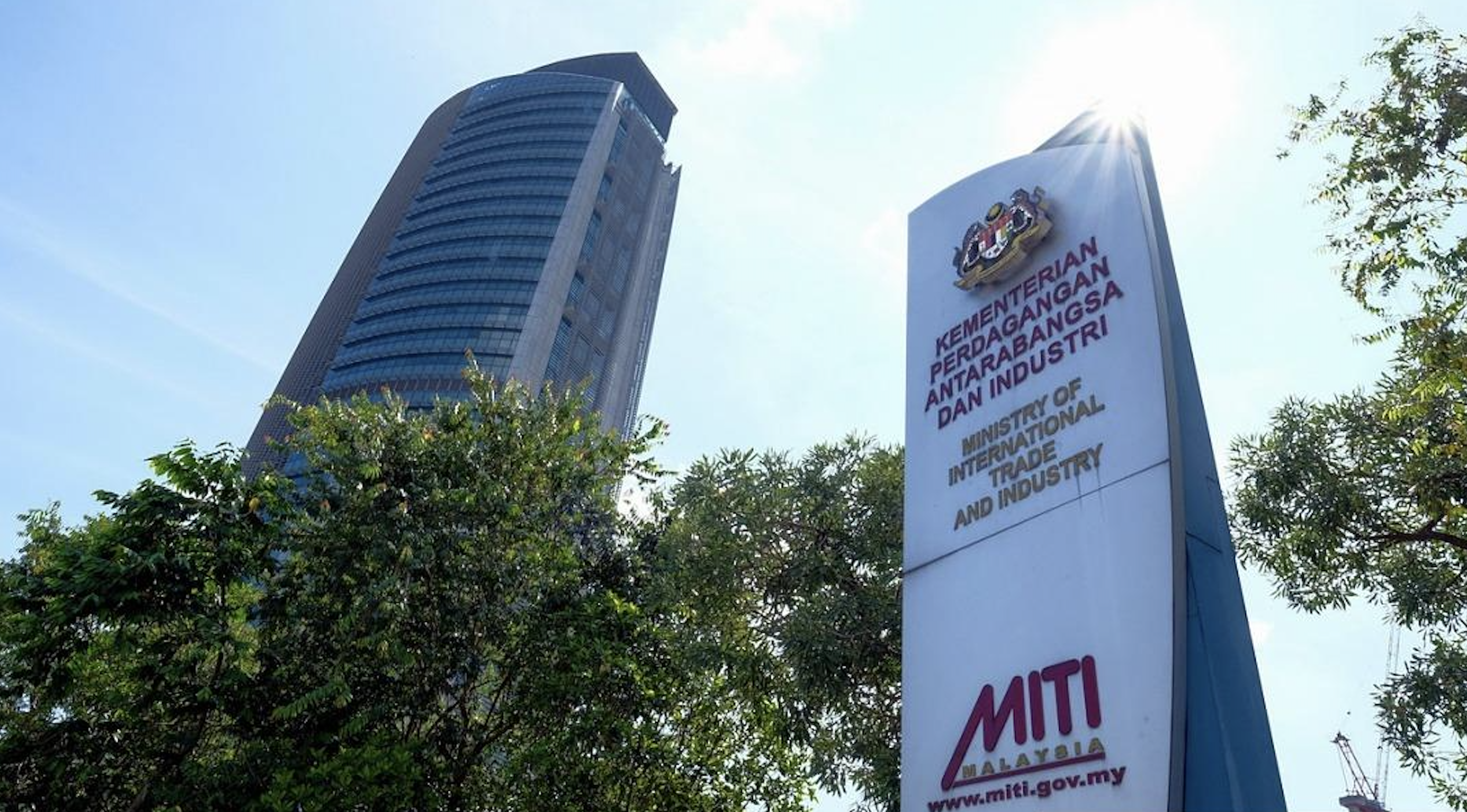
KUALA LUMPUR — The Investment, Trade and Industry Ministry (Miti) is currently verifying media reports regarding the use of servers fitted with Nvidia and AI chips in the training of Large Language Models (LLMs) in Malaysia by a Chinese company.
This verification process is being conducted with the relevant agencies to determine whether any domestic laws or regulations have been breached.
“We would like to reiterate that servers using Nvidia chips and AI chips are not classified as controlled goods under the Malaysian Strategic Trade Act 2010 (STA 2010).
“However, Malaysia will cooperate with any government that requires assistance in monitoring trade in sensitive goods under the export control of their respective countries.
“Guided by the principles of transparency, good governance and the rule of law, businesses — including data centres operating in Malaysia — are free to make their own commercial decisions, provided they operate within the scope of Malaysian laws and regulations.
“The development and regulation of the Malaysian data centre industry and ecosystem are also actively and jointly managed by Miti and the Digital Ministry through the Data Centre Task Force.
“Malaysia stands firm against any individual or company that attempts to circumvent export controls or engage in illicit trade activities,” the ministry said in a statement.
Miti added that it remains committed to facilitating legitimate trade and fostering a secure and responsible investment environment, ensuring that all technology-related trade and investments align with international best practices and multilateral commitments.
Malaysia also upholds international trade regulations and is committed to full compliance with global export control measures.
Miti will take firm action against any company operating in Malaysia — including those in the semiconductor and AI sectors — that violates Malaysian or international trade laws.
While Malaysia maintains a neutral stance on unilateral sanctions, companies operating in the country have been advised to comply with the export controls of other nations where these apply to their international business dealings to avoid the risk of secondary sanctions. — June 18, 2025