



KUCHING – Indigenous knowledge must be central to environmental strategy, a view echoed by Sarawak’s tourism minister and conservationists at the opening of the Rainforest Youth Summit (RAYS) 2025 on Wednesday (June 18).
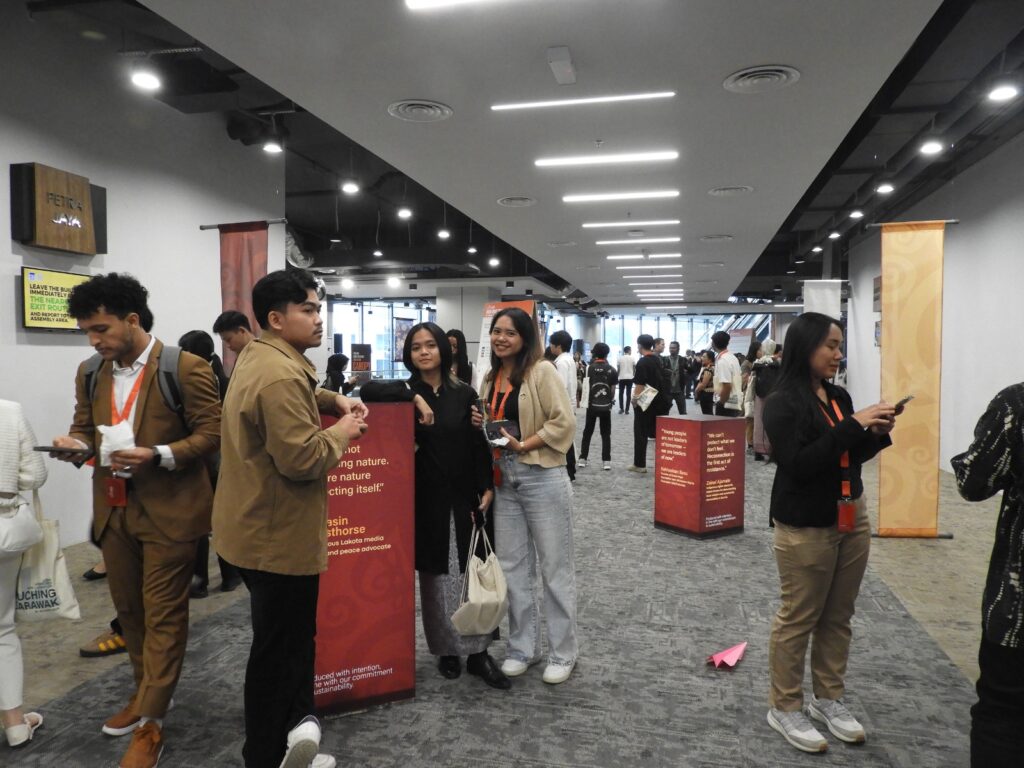
The three-day summit, held from June 18 to 20, has brought over 700 delegates from 13 countries to Kuching for a dynamic programme of climate-focused dialogue, cultural exchange, and youth-led action planning. Sessions are taking place across Hikmah Exchange and the Sarawak Cultural Village, with the event culminating at the Rainforest World Music Festival.

In his keynote address yesterday, Sarawak’s Tourism, Creative Industry and Performing Arts Minister Datuk Seri Abdul Karim Rahman Hamzah said the summit’s theme, “Living Landscapes: Charting a Sustainable Future”, reflects a belief that true climate action must embrace Indigenous worldviews alongside science and innovation.
“Sustainability is not a new concept to our Indigenous communities. For generations, they have lived in harmony with the land, guided by principles of respect, reciprocity, and stewardship,” he said.
“Living landscapes are not just forests or mountains—they are communities, histories, and stories. Our politicians must learn to listen.”
Abdul Karim also stressed the importance of respecting cultural heritage in the face of global climate shifts.
“This is not just about climate resilience—it’s about cultural resilience. We must move forward in a way that does not erase the past, but honours it,” he said.
“In this summit, we are not just sharing knowledge—we are passing the torch. From ancestral hands to youth hearts, the journey continues.”
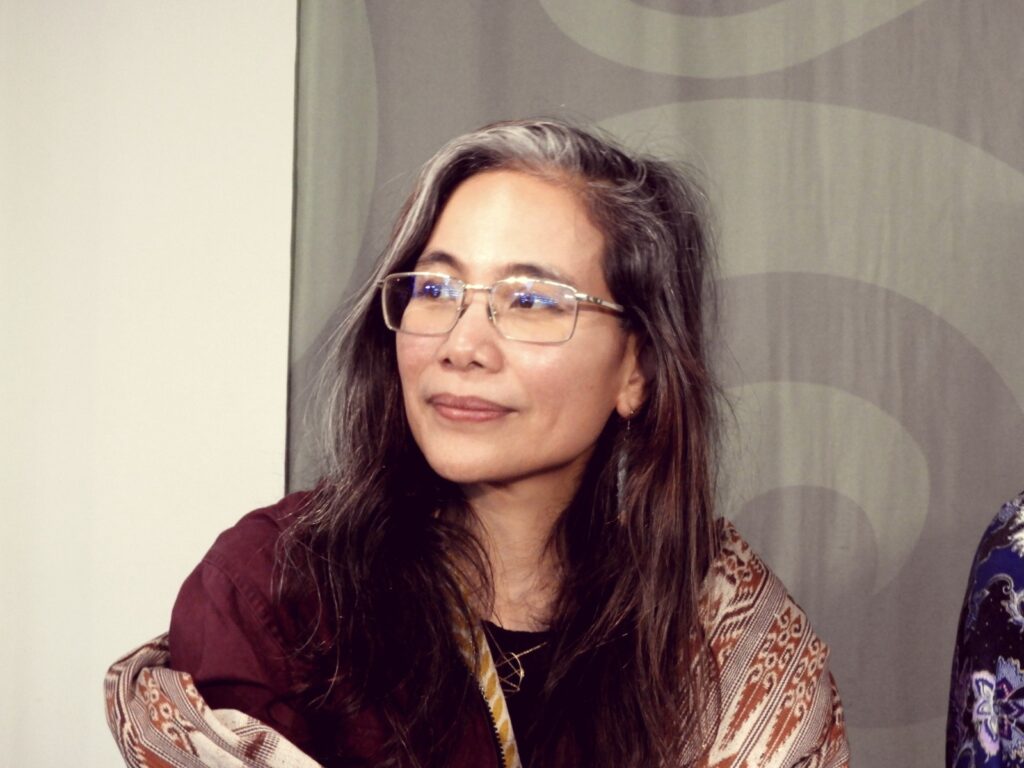
One of the summit’s most compelling moments came from Dr June Rubis, an Indigenous strategist and Bidayuh scholar, whose keynote “A Political Ecology of Remembering: Stories from the Land, Stories for the Future” addressed the relationship between memory, resistance, and identity.
Rubis introduced the concept of contra memory — memory that pushes back against dominant narratives — and challenged the audience to rethink whose stories are told, and why.
“Remembering is not nostalgia,” she said. “It is radical.”
She cautioned against romanticising Indigenous heritage and spoke about the longstanding relationship between Iban communities and orangutans, whom they consider kin. She recounted how generations of Iban midwives learned from observing orangutans use ginger plants to ease childbirth — knowledge passed on across time and species.
During a panel discussion with the media, Rubis reflected on the risks faced by Indigenous environmental defenders, noting that for many, resistance simply means remaining on ancestral land.
“It’s not about an activist being attacked — it’s about peoples living on their lands. Just the fact that you live in territories where industries or companies want to come in and take your lands, that is already an act of protest,” she said.
“We always have to make sure their voices are heard and that we are in the back supporting them.”
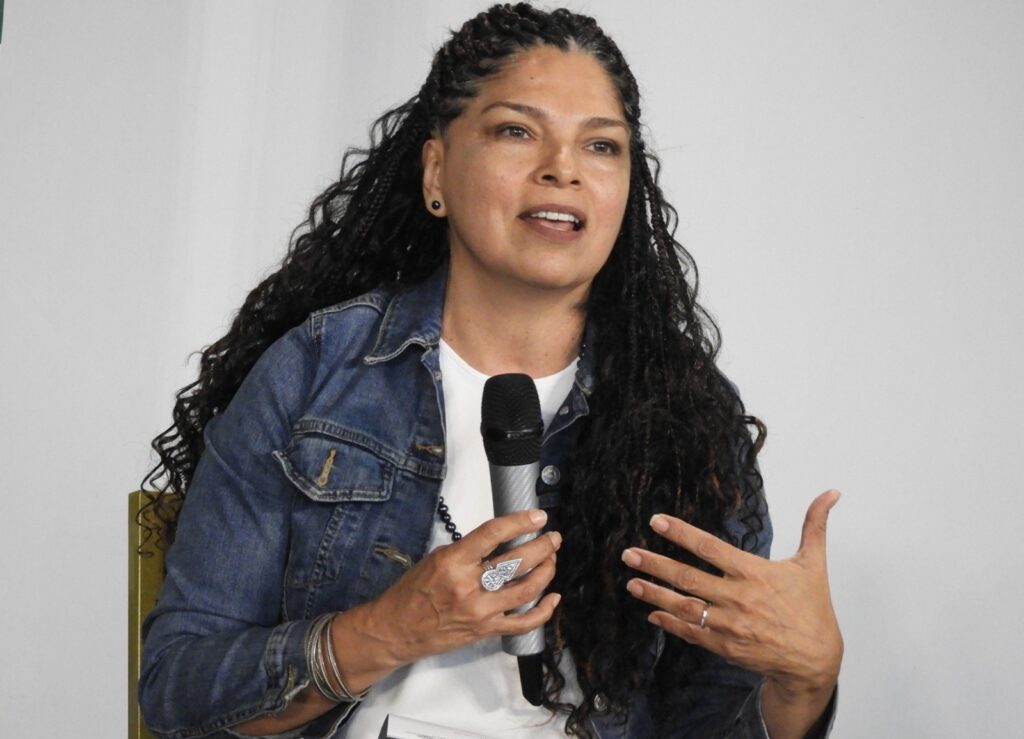
Also speaking at the summit was Bolivian conservation biologist Dr Erika Cuéllar, known for pioneering community-based conservation in South America. Cuéllar said that standing up for Indigenous rights and ecosystems takes many forms — and sometimes, quiet persistence is just as powerful as protest.
“Some people choose to be discreet, and other people have their own way of fighting. My way to say ‘enough is enough’ was to expose the importance of local Indigenous people, the importance of their knowledge and the forests that nobody cares about,” she said.
“When those trained biologists from the middle of the forests are in the newspaper and recognised by the government — it becomes very difficult to deny them.”
The summit is held in conjunction with Malaysia’s Asean Chairmanship and is supported by regional and global partners, including the Asean Youth Advocates Network (AYAN), the International Forestry Students’ Association (IFSA), the Pacific Asia Travel Association (PATA), and UN Tourism.
Alongside Rubis and Cuéllar, the summit features changemakers and advocates from across the world, offering diverse insights on how ancestral knowledge, science, and youth mobilisation can work together to advance environmental justice. – June 19, 2025