



KUALA LUMPUR – Lawyers have called for greater scrutiny of non-governmental organisations (NGOs) through the creation of a public registry and mandatory submission of audited financial statements, amid growing concerns over “pao culture” – or extortion – by certain groups against corporations and individuals.
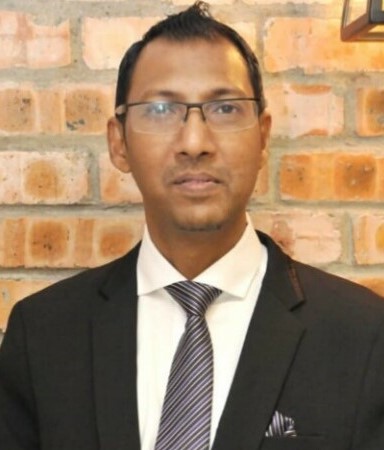
Lawyer Salim Bashir Bhaskaran suggested that the Registrar of Societies (RoS) develop a mechanism for the public to access information about registered NGOs.
He also called for greater financial transparency, urging groups to disclose their income and cash management to prevent abuse of charitable donations for personal agendas.
“(Additionally) the government must consider establishing an oversight body like the UK Charity Commission to monitor NGOs’ activities or to attend to complaints against unlawful acts that are deemed to be detrimental to the public safety and economic security,” he told Scoop when contacted.
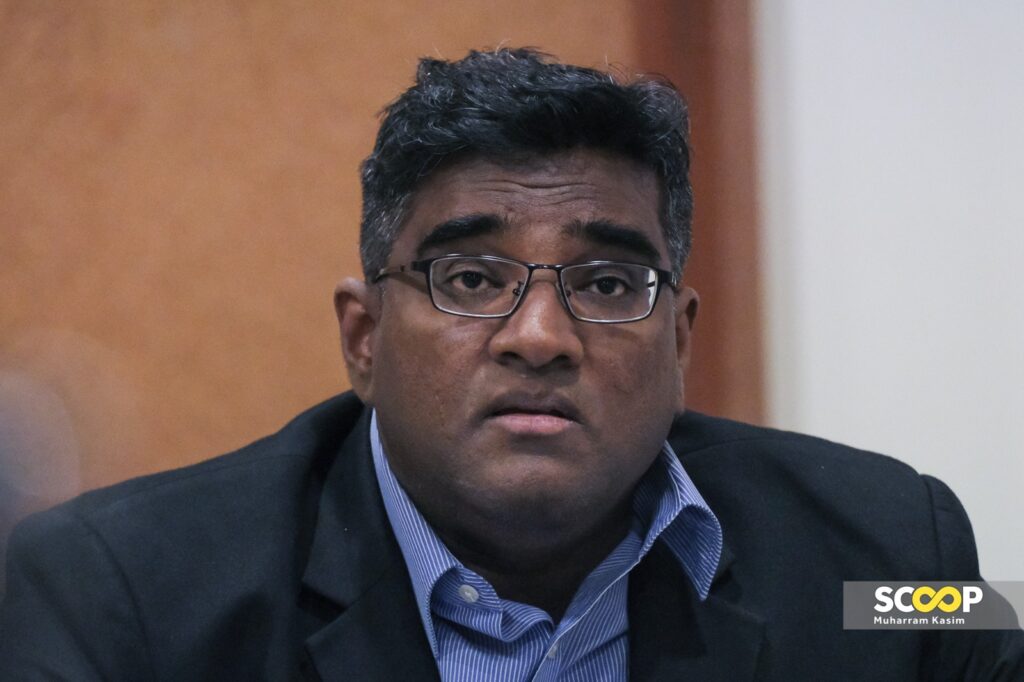
Meanwhile, lawyer and president of environmental group Pertubuhan Pelindung Khazanah Alam Malaysia (Peka) Rajesh Nagarajan called on RoS to develop an online public registry of NGOs with clear details on leadership, funding sources and objectives.
Speaking to Scoop, he said such a registry would help corporations and individuals verify the legitimacy of these groups before engaging with them.
“(RoS should also) mandate annual audited financial statements for all NGOs above a certain income threshold (as) this would prevent abuse of donations and improve transparency, especially for groups receiving corporate funding,” he added.
The lawyers were responding to an opinion piece by Big Boom Media group editor-in-chief Terence Fernandez on cases of NGOs extorting companies – not in defence of workers, but to enrich themselves.
Fernandez highlighted a recent exposé by Indonesian outlet Kompas, which revealed the existence of an NGO cartel that extorted firms to the point of scaring away investors.
The Indonesian government has since declared it a national crisis and accused the groups of economic sabotage.
Kompas detailed the cartel’s modus operandi as “rampant and coercive thuggery”, where organisations pressured companies and business owners to pay protection fees or award contracts to undeserving parties.
Methods included mass protests, slander via social media and the press, as well as police reports and frivolous lawsuits.
Fernandez noted that similar tactics are being deployed in Malaysia, though they remain largely unreported. Some groups, he said, name and shame companies – including publicly listed ones – with hidden agendas.
“These include a demand for a percentage of profits without even doing any work, reinstating a business arrangement that fell through, settling a contractual dispute, covering up for sub-par work, (and) the list goes on.
“These NGOs will be used by vested parties to act as ‘pressure groups’ to bring the companies to the negotiation table and pay up,” he said in the editorial.
Echoes of Japan’s sōkaiya culture
The extortion tactics bear resemblance to the sōkaiya culture once prevalent in Japan, where corporate blackmailers disrupted AGMs to pressure companies into payouts, according to blogger Salahuddin Hisham of Another Brick in the Wall.
As documented in Yakuza by David E. Kaplan and Alec Dubro, such racketeers targeted firms like the Chisso Corporation – infamous for the Minamata mercury poisoning case – using threats to block or embarrass management during shareholders’ meetings.
To avoid public backlash or legal trouble being raised in official minutes, companies often paid these groups off.
Though Japan criminalised payments to sōkaiya between 1982 and 1994, the practice never entirely vanished – it merely evolved.
Salehuddin warned that Malaysia may now be seeing similar “meeting men” tactics in the form of unscrupulous NGOs operating as pressure groups under the pretext of activism.
He cited Aman Palestine, currently under MACC scrutiny for alleged RM40 million embezzlement, as a recent example of public-facing organisations misusing their platform for financial gain.
Salehuddin also pointed to Pertubuhan Ikatan Usahawan Kecil dan Sederhana (Ikhlas) – led by Datuk Mohd Ridzuan Abdullah and once patronised by Tun Dr Mahathir Mohamad – as a group that has faced accusations of operating in this grey zone.
“These cases are not just ethical breaches – they mirror organised extortion,” he wrote, adding that authorities should consider civil suits or police reports against such actors.
Giving genuine NGOs a bad name
Rajesh said such unethical practices not only damage public confidence in civil society but also harm genuine organisations like Peka, which rely on credibility and principled advocacy to engage with stakeholders and authorities.
He added that some of his clients had been targeted by extortion, including a case involving a local developer harassed by a self-proclaimed “community rights group”.
“Fake NGOs often use social media to accuse a company of unethical practices without any evidence, clearly intending to coerce them into cooperation. “As lawyers, we advise clients not to engage or concede, and to lodge complaints with RoS, if applicable, and with law enforcement agencies such as the police and the Malaysian Anti-Corruption Commission (MACC),” Rajesh explained.
He proposed that authorities create formal mechanisms for complaints and whistleblowing to hold such groups accountable. He also urged RoS to work closely with MACC and the police – particularly when criminal intimidation, bribery or misrepresentation are involved.
Rajesh further called on RoS to impose sanctions and publish the names of NGOs found guilty of unethical conduct, followed by their deregistration.
“As someone deeply involved in both legal practice and civil society work, I believe reform is necessary – not just for the credibility of NGOs, but to safeguard democratic spaces from being hijacked by those seeking personal enrichment under the guise of activism.”
Don’t act like authorities, NGOs told
Meanwhile, Salim reminded NGOs not to act as, or appear to act as, enforcement authorities such as the police or immigration department.
He highlighted that the Criminal Procedure Code (CPC) only permits citizen’s arrest in limited circumstances – primarily to prevent a suspect in a seizable offence from escaping before being handed over to law enforcement.
Salim also warned that any work or advice within the exclusive domain of legal services must only be carried out by qualified lawyers.
He stressed that enforcement agencies should not tolerate harassment or violence carried out under the guise of NGO activities.
Section 5 of the Societies Act 1966, he noted, empowers the home minister to declare an organisation unlawful if it is used in a manner deemed harmful or contrary to national security or public morals. – June 23, 2025