

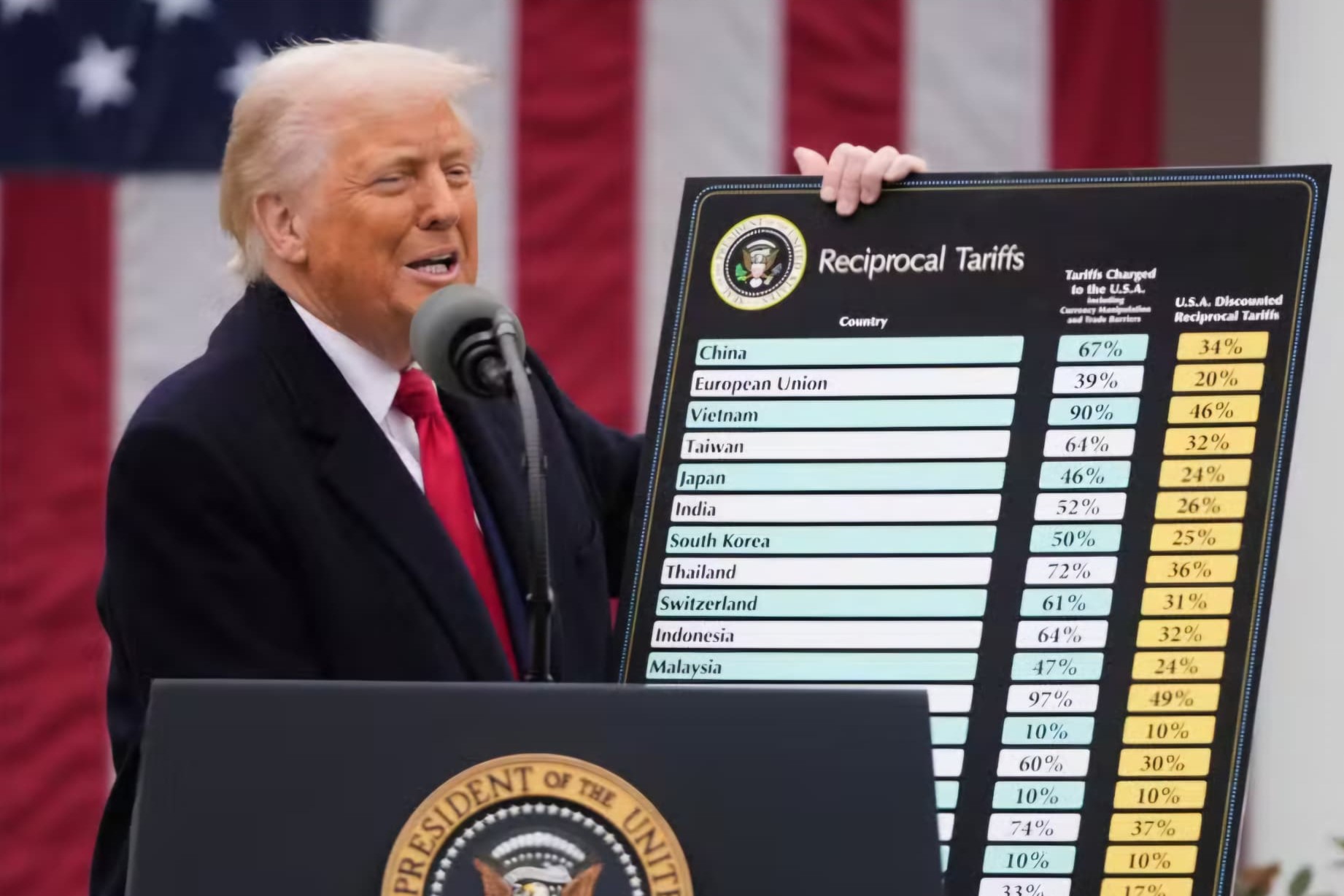

KUALA LUMPUR – It is unfair to blame the Malaysian government for the unpredictable move by Donald Trump to raise “reciprocal” tariffs from a paused 24% to 25%, said economists who have been tracking the latest phase of the US president’s global tariff war.
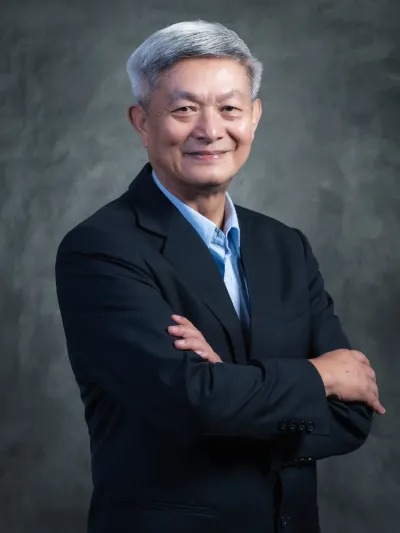
Sunway University’s Professor Yeah Kim Leng said Malaysia was caught in a sweeping tariff policy not aimed at any one country, making it inappropriate to fault the government for failing to secure lower rates. He added that Malaysia’s 25% rate is at the lower end of the 25-40% range imposed on most countries.
Meanwhile, Universiti Teknologi Petronas adjunct lecturer Samirul Ariff Othman said blaming the government is analytically unsound, as Trump’s tariff actions have historically targeted both allies and adversaries, often regardless of real trade disputes.
“Malaysia is collateral in a broader narrative about US sovereignty and ‘unfair trade’,” he told Scoop.
“The same treatment has been meted out to Japan, Germany, South Korea, and Canada in earlier years.”
Samirul also noted that the government, through the Investment, Trade and Industry Ministry (Miti) and the Prime Minister’s Office (PMO), has consistently engaged its US counterparts diplomatically – eschewing provocation and focusing on protecting economic interests through dialogue.
“This is the right posture for a middle power navigating great power politics. A louder response may win headlines but risks greater harm to Malaysia’s investors and exporters.
“Madani’s handling can be judged as measured, strategic, and dignified in keeping with Malaysia’s interest as a stable regional trade player,” he said.
Their remarks follow criticism of the government over its perceived failure to secure tariff relief during recent negotiations with Washington.
Yesterday, Tasek Gelugor MP Datuk Wan Saiful Wan Jan demanded an explanation from the government, saying in a Facebook post that Miti had aimed to reduce tariffs but instead saw an increase from 24% to 25%.
“This clearly shows that the government has failed to fulfil the hopes of the rakyat in the matter of US tariffs. And it clearly shows the relevant minister’s failure to defend the nation’s interests,” he wrote, in what appeared to be a veiled swipe at Minister Datuk Seri Tengku Zafrul Tengku Abdul Aziz.
Are trade talks effective with ‘unpredictable’ countries?
Both economists believe trade talks remain crucial, even when dealing with unpredictable actors like Trump. Samirul stressed that diplomacy is not transactional, but iterative, long-term, and often asymmetrical.
Even when talks do not avert tariffs, they help preserve diplomatic channels for future exemptions or revisions, clarify the scope and impact for affected sectors, and signal to investors that Malaysia remains a rules-based trading nation.
“To disengage simply because the outcome is uncertain would be short-sighted. Even with an unpredictable US partner, Malaysia must remain predictable,” he said.
Yeah added that, unlike larger economies like China, Malaysia cannot afford to engage in a tariff war and must instead aim for win-win outcomes despite Trump’s erratic policies and negotiation style.
He noted that near-universal hikes – 25% to 40% for most countries – limit Malaysia’s leverage unless it complies with Washington’s demands.

“Like most countries negotiating with Trump’s administration, Malaysia would have to accede to his pressure to reduce bilateral trade deficit, reshore or invest in production in the US, and other unrevealed demands,” he said.
Samirul said Malaysia’s influence remains limited under Trump’s unilateralist, populist administration, calling his trade stance “politics masquerading as economics,” driven more by perceived trade injustices, political performance, and nationalist ideology than sound economics.
“Malaysia is not a strategic rival, nor is it a trade threat by scale, yet it has been targeted alongside larger economies like Japan and South Korea. This shows that Trump’s administration is not responsive to quiet diplomacy alone.”
However, he said Malaysia can still pursue its case through bilateral diplomacy via Miti and Wisma Putra, as well as multilateral platforms such as Asean, Apec, and the WTO. It should also project itself as a predictable, rules-based partner – unlike Trump’s volatile approach.
“However, given the politicised nature of Trump’s trade doctrine, Malaysia’s leverage will remain modest unless backed by broader coalitions or critical supply chain relevance.”
How can Malaysia shield itself?
Yeah warned that with US consumers and businesses expected to reduce imports due to higher prices, Malaysian exporters should brace for a drop in demand. Firms may have to cut production and inventories while seeking alternative markets.
He urged the government to monitor the impact on industry output, employment, and income so targeted assistance can be offered to mitigate potential hardship.
Meanwhile, Samirul said Malaysia must accept that as a small, open economy, it cannot control external shocks. However, it can build resilience by diversifying export markets and reducing reliance on the US, while strengthening ties within Asean, and expanding trade with China, India and the Middle East.
He also called for investment in high-value sectors like advanced manufacturing, renewables and digital tech to attract less tariff-sensitive FDI, and for the government to build strategic stockpiles and counter-cyclical buffers to protect export-reliant industries during trade shocks.
“A key lesson is to build shock absorbers, not assume stability,” he said. – July 10, 2025