

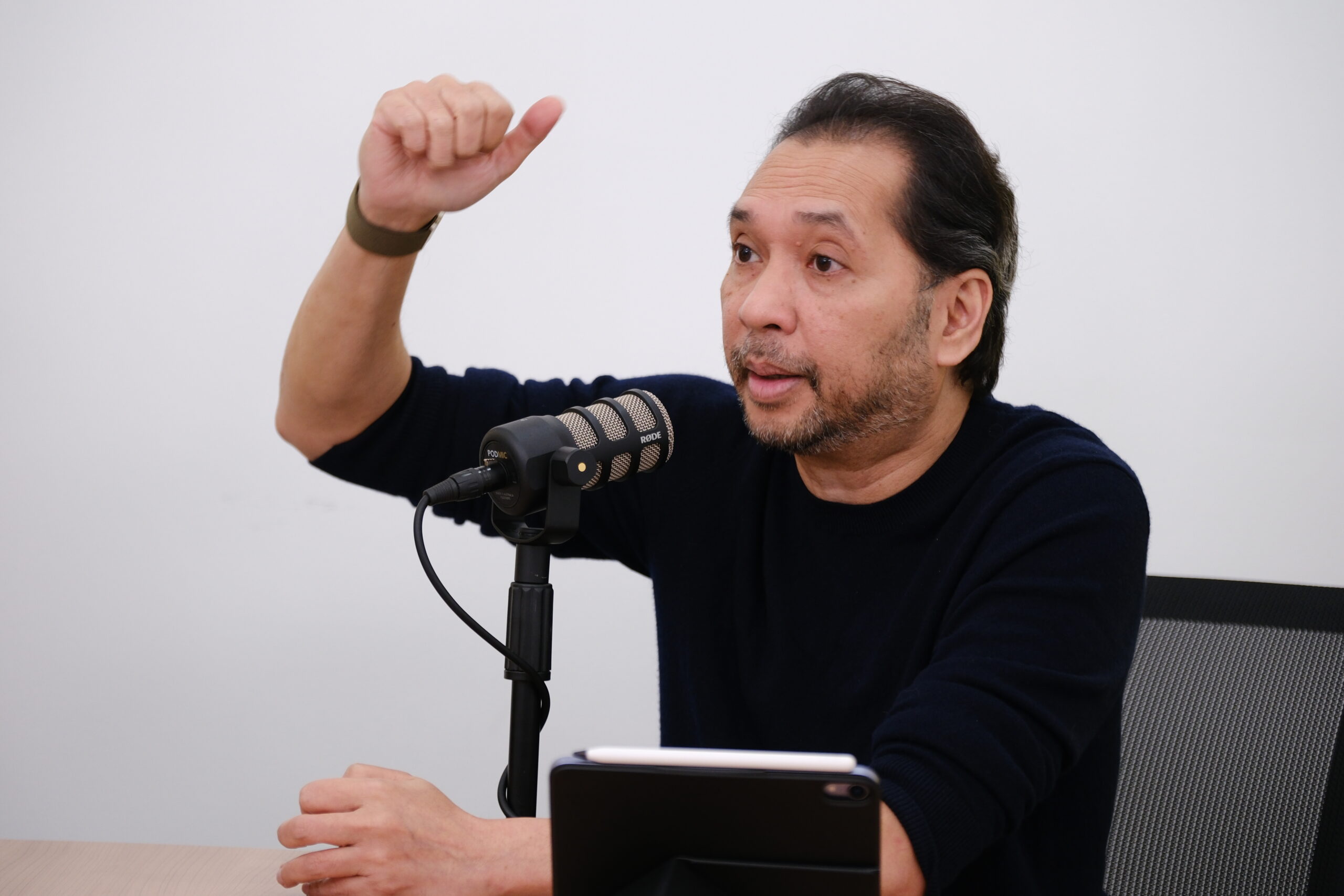

KUALA LUMPUR — A nationwide crackdown on illegal vape products is long overdue, says Malaysian Organisation of Vape Entity (MOVE) president Samsul Kamal Ariffin, who has welcomed the Health Ministry’s Ops Paru-Paru as a crucial step to restore public trust in the industry.
Speaking on the Scoop Insight podcast, Samsul said the joint operation—launched in July by the Health Ministry, police, and Pharmacy Enforcement Division—targets unregistered vape products, particularly those containing nicotine or illicit drugs, that have flooded the market in recent years.
“We’ve been warning for years that most products on the market are unregistered and unregulated. With Ops Paru-Paru, the authorities are finally addressing the problem seriously,” he said.
The operation also aims to enforce compliance with the newly enacted Control of Smoking Products for Public Health Act 2024 and protect youth from exposure to dangerous products.
MOVE estimates that between 60% and 70% of vape products sold in Malaysia—particularly disposable variants—are unregistered. Many are smuggled in through grey channels or parallel imports and bypass evaluation by the National Pharmaceutical Regulatory Agency (NPRA).
A Health Ministry report earlier this year revealed over 7,800 nicotine-laced vape liquids were confiscated in 2023, many mislabelled or undocumented.
Samsul warned that drug-laced vapes were a growing concern, especially as many are now entering the market pre-mixed from factories, rather than being tampered with by end users.
“The disposables are the biggest problem right now,” Samsul said. “They’re cheap, untraceable, and often laced with substances that are harmful or illegal.”
“These aren’t modified by users anymore. They’re arriving pre-laced with narcotics. If we don’t act now, the whole industry will be labelled as a drug peddler sector.”
Health Minister Datuk Seri Dr Dzulkefly Ahmad disclosed in March that 67% of vape liquids seized last year tested positive for drugs, including synthetic cannabinoids and methamphetamine derivatives.
Samsul also highlighted the problem of youth access and weak enforcement, recounting an incident in which a student caught vaping had the support of her parent in attempting to retrieve the confiscated device.
“The mother actually asked the seller to give back the vape to her daughter after it was confiscated,” he said.
“That’s the kind of mindset we’re dealing with,” he said.
Retailers, including convenience shops and roadside stalls, often fail to check buyers’ age, despite regulations prohibiting sales to those under 18.
MOVE is now calling for tighter measures, including geo-blocking online sales to minors, limiting retail to licensed specialty shops, and boosting education campaigns in schools and among parents.
“We don’t need a blanket ban—we need better control,” Samsul said. “Ban the illegal ones, regulate the rest, and educate the people.”
He also urged the authorities not to lump legitimate players in with illegal operators during enforcement.
“Let’s not scare off the good players while the bad ones keep operating underground,” he said. — August 5, 2025