

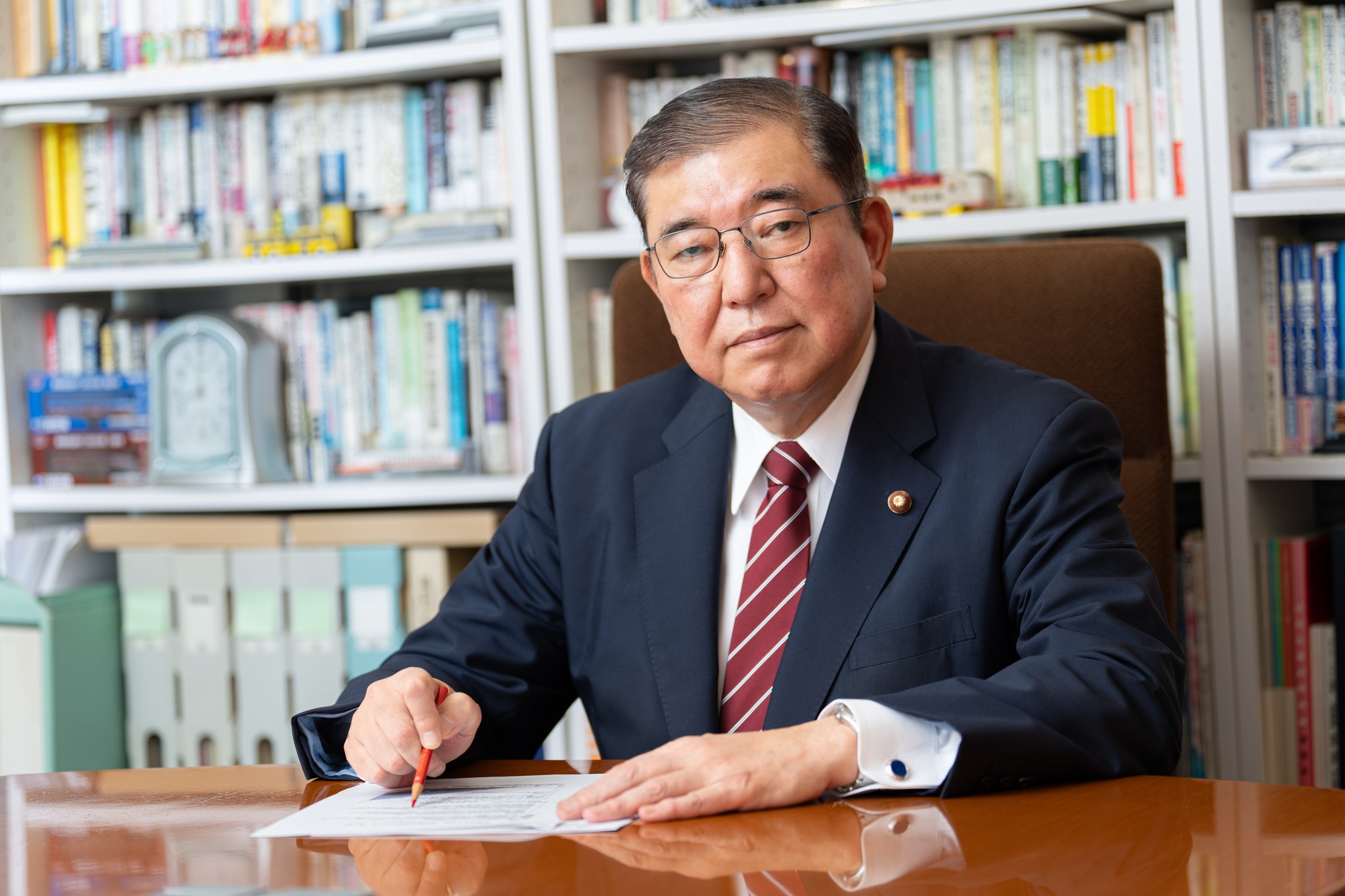
KUALA LUMPUR – Prime Minister Shigeru Ishiba has announced his resignation as leader of the ruling Liberal Democratic Party (LDP), deepening political uncertainty in the world’s fourth-largest economy.
The 68-year-old said earlier today that he would remain in office until the LDP elects a successor, instructing the party to hold an emergency leadership contest.
His decision comes just weeks after the ruling coalition suffered a historic defeat in July’s upper house election, losing its majority in both chambers of parliament.
“Japan has signed the trade agreement, and the US president has signed the executive order. We have passed a key hurdle,” Ishiba told a press conference, Al Jazeera reported. “I would like to pass the baton to the next generation.”
Until this weekend, Ishiba had resisted calls to step down, insisting he wanted to oversee implementation of a tariff deal with Washington that cuts US duties on Japanese car imports.
But pressure mounted inside his party, particularly from right-wing factions, to take responsibility for repeated electoral setbacks driven by voter frustration over rising living costs.
According to reports, senior figures, including a former prime minister and the agriculture minister, met Ishiba on Saturday night to persuade him to resign.
Ishiba’s departure ushers in a potentially protracted period of instability. Since taking office in October last year, his government has struggled to advance its agenda amid defeats at the ballot box and growing economic headwinds.
Markets have already reacted to the turmoil, with Japanese government bond yields climbing to record highs last week and the yen weakening against the dollar. Analysts say investors are now watching closely to see who emerges as Ishiba’s successor.
Sanae Takaichi, a conservative veteran who narrowly lost to Ishiba in last year’s LDP run-off, is widely seen as a contender. Her support for expansionary fiscal policy and scepticism towards interest rate hikes could influence Japan’s economic direction.
Another possible candidate is Shinjiro Koizumi, the current agriculture minister and son of former prime minister Junichiro Koizumi, who has gained prominence as he attempts to contain soaring food prices.
“Given the political pressure mounting on Ishiba after the LDP’s repeated election losses, his resignation was inevitable,” said Kazutaka Maeda, economist at Meiji Yasuda Research Institute.
“Koizumi and Takaichi are the most likely candidates. While Koizumi is not expected to bring major changes, Takaichi’s policy stance could draw scrutiny from financial markets.”
While the LDP has dominated Japanese politics for much of the post-war era, it no longer commands a majority in either house of parliament.
Analysts caution that the party’s new leader may not automatically become prime minister, and could instead call a snap election to seek legitimacy.
Opposition parties remain fragmented, but the far-right Sanseito party made significant gains in July, signalling a shift in Japan’s political landscape.
Ishiba’s resignation follows the signing of a trade deal with the United States last week, under which tariffs on Japanese car exports were cut from 27.5% to 15%. However, Tokyo’s negotiators say the agreement is not fully settled, with key provisions on pharmaceuticals and semiconductors still pending.
For now, Ishiba remains in office, but his exit sets the stage for an intense leadership race that could shape Japan’s economic and political trajectory in the months ahead. — September 7, 2025