

KUALA LUMPUR — Heritage in Malaysia is often viewed through the lens of monuments, crafts and cuisine. Nature, though intertwined with heritage, seldom takes centre stage.
Out of six United Nations Educational, Scientific and Cultural Organisation (Unesco) World Heritage Sites in the country, only two – Kinabalu Park and Gunung Mulu National Park are recognised for their natural value.
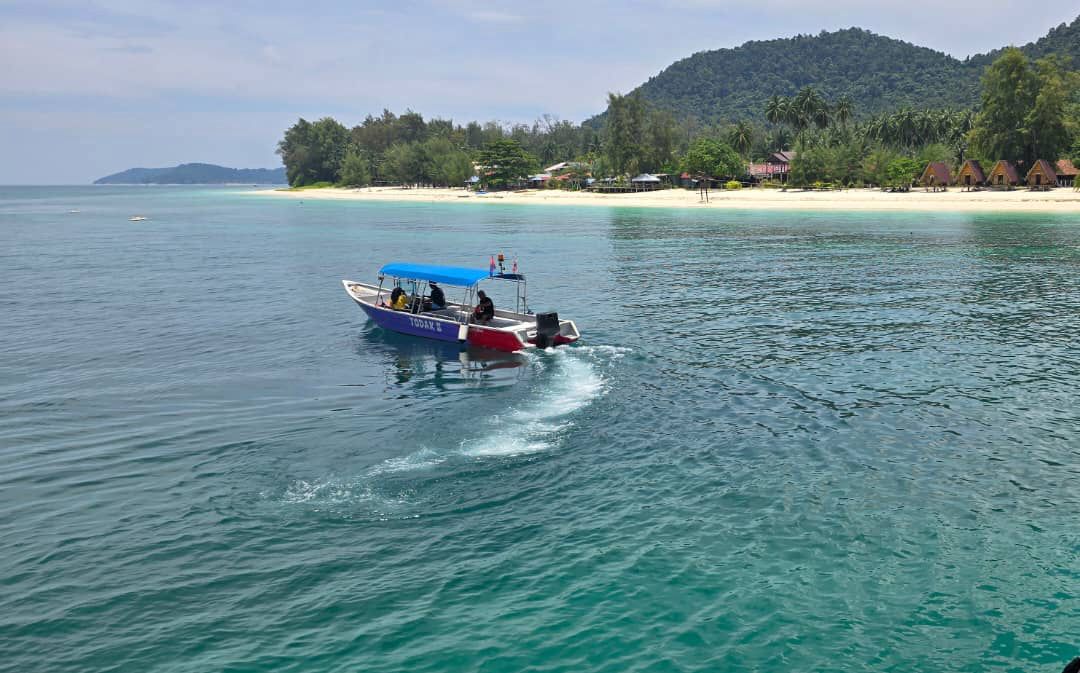
One important but often overlooked national narrative is Malaysia’s maritime heritage, the stories of the seas that surround it, islands and the communities that once thrived along its coasts.
Despite being a maritime nation positioned between the busy Straits of Melaka and the South China Sea, Malaysia’s island culture and heritage remain underexplored.
The origins, traditions, and livelihoods of coastal and island communities are fading, as development and migration steadily erode traditional skills and ways of life. The flora, fauna, marine life and aquatic plants that connect these communities to their natural surroundings risk being forgotten along with evolving trends.
This disconnect is not just cultural, it is ecological. When people move away from the islands, the custodians of local ecosystems disappear too, taking with them vital knowledge about sustainable fishing and agricultural practices, traditional skills and practices that help them live in harmony with the sea.
A revival after almost 40 years
That is why the return of the Pulau Besar Festival in August and September 2025 after nearly four decades was more than just a celebration, it was an act of reclamation.
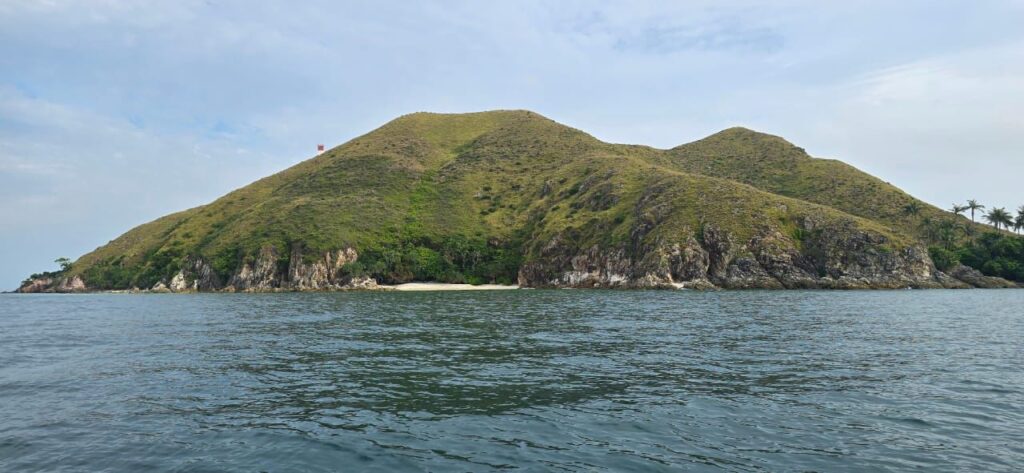
Once known as Pulau Babi Besar, the island was renamed as Pulau Besar in 2012 following a decline in wild boar populations across the island, together with Pulau Babi Kecil (now Pulau Kecil) and Pulau Babi Tengah (Pulau Tengah). How did the boars get in and out of the island?
They are good swimmers apparently.
In the 1960s, over 1,400 families lived on Pulau Besar. But by the mid 1970’s the introduction of the New Economic Policy prompted many families living in the islands to move to the mainland. Most took up the offer for land and agricultural cultivation in Felda Tenggaroh.
In the 1980s, after a devastating typhoon the island’s only school and clinic closed. Today only six families remain on the island.
Pulau Besar village headman Kelana Ali Kahar, 50, remembers the last Pulau Besar festival in 1988. It was a time when nearby islanders camped out for nights of joget lambak, zapin pulau, and ghazal performances.
“It was something everyone looked forward to and we are proud and grateful that this event has been given life again,” he said.
The bridge between heritage and conservation
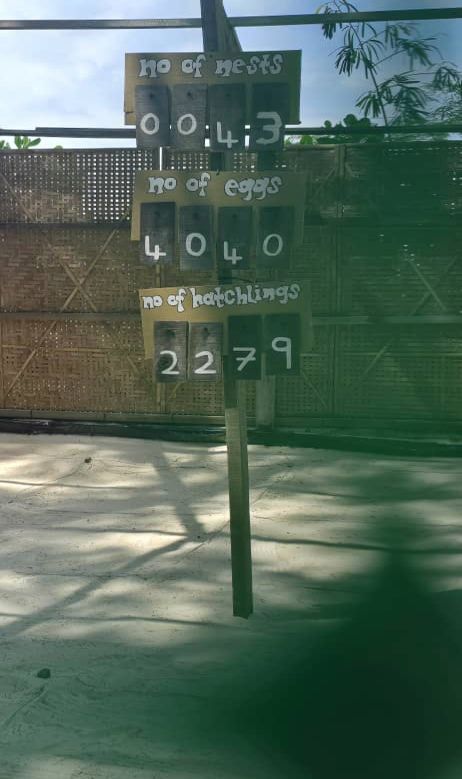
The revival of the festival was spearheaded by Tengah Island Conservation (TIC), a science-based, community-driven initiative based in Mersing, Johor.
What began as a turtle watch camp has evolved into a full-fledged NGO overseeing several islands in the Johor Marine Park, including Pulau Besar, Pulau Tengah, Pulau Aur, Pulau Gual, Pulau Mensirip and Pulau Harimau.
TIC’s mission is geared towards restoring biodiversity while rebuilding the social fabric that once tied people to their natural surroundings.
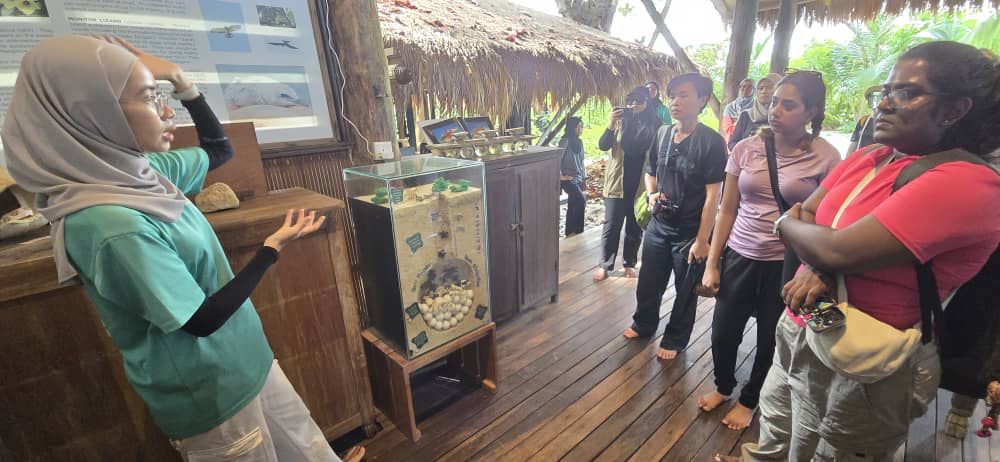
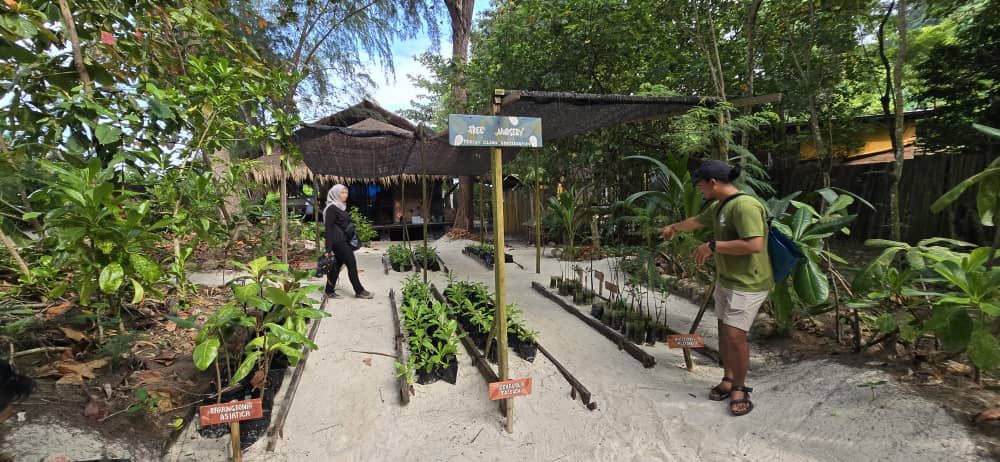
Through education and awareness programmes, TIC has helped islanders see conservation as an extension of their heritage. TIC’s work and efforts in Pulau Besar are showcased in Rumah Eko on the island.
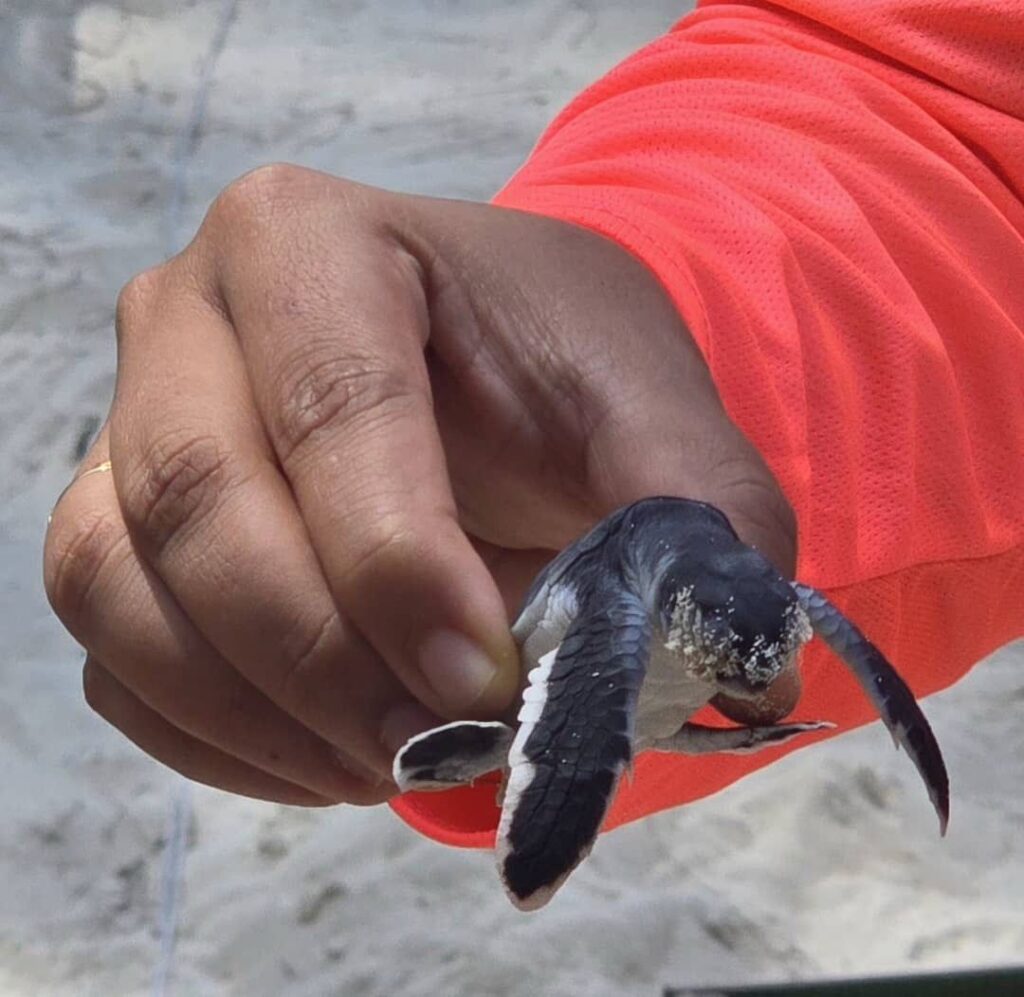
“In the past, locals would eat turtles,” said Kelana. “Now, they protect them.” Islanders who once viewed marine life merely as sustenance are becoming its guardians.
Rekindling island identity
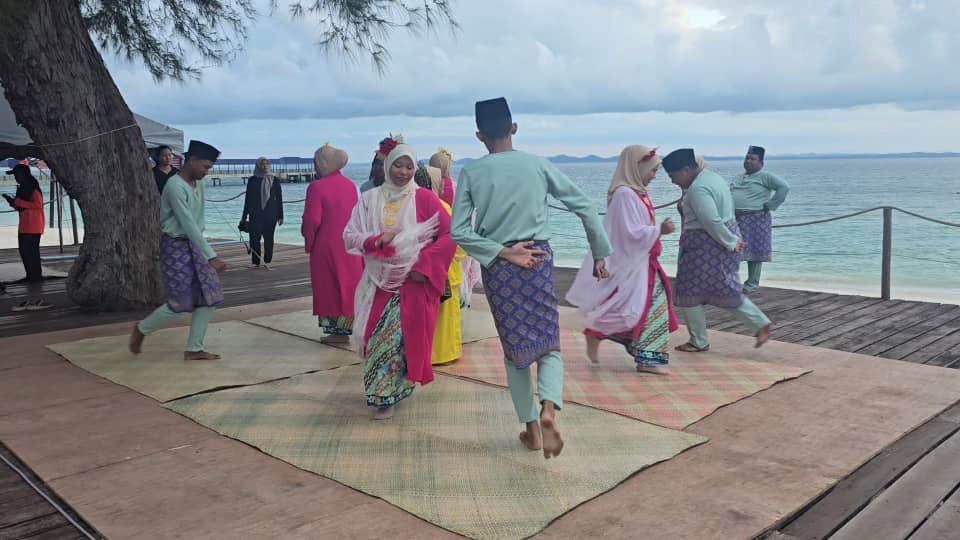
Festival Pulau Besar now serves as both cultural revival and environmental classroom. It showcases traditional dances like zapin pulau which movements mimic fishermen casting nets and crabs skittering across sand.
The lively dance routine is performed in costumes that pay homage to the aquamarine colours of the sea, and the stunning island sunsets that paint the sky in hues of yellows, oranges and pink. It’s a living reminder that art, ecology and identity are intertwined.
TIC’s programmes on the island also encourages sustainable livelihoods. Young islanders are learning to commercialise their heritage through eco-friendly enterprises.
Muhd Farid Aiman Abdul Ghafar, 17 now produces homemade coconut ice-cream and oil from the trees once planted for trade.
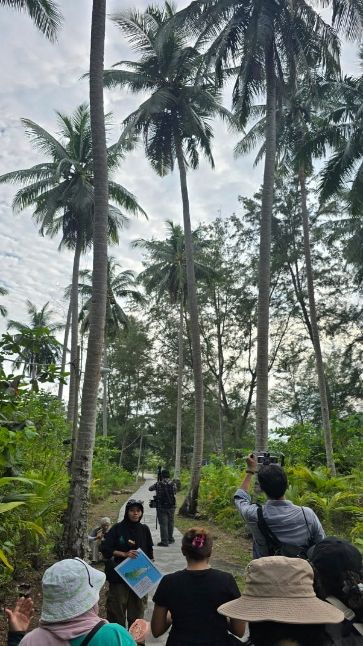
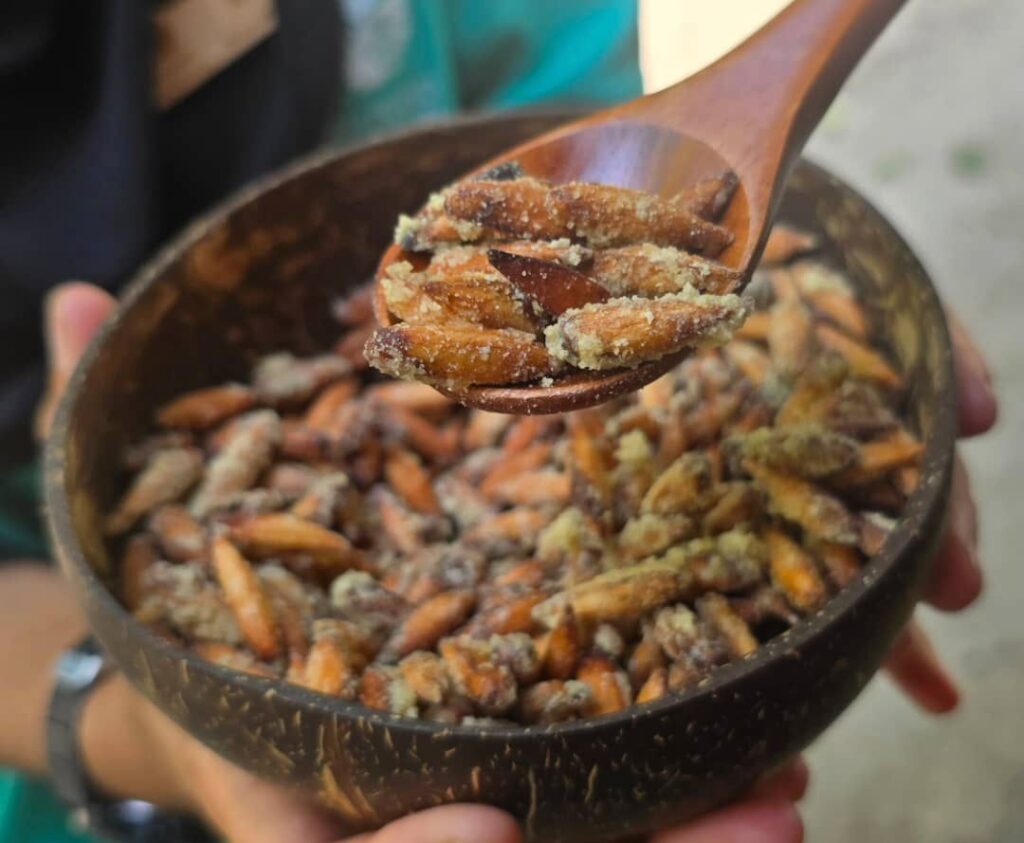
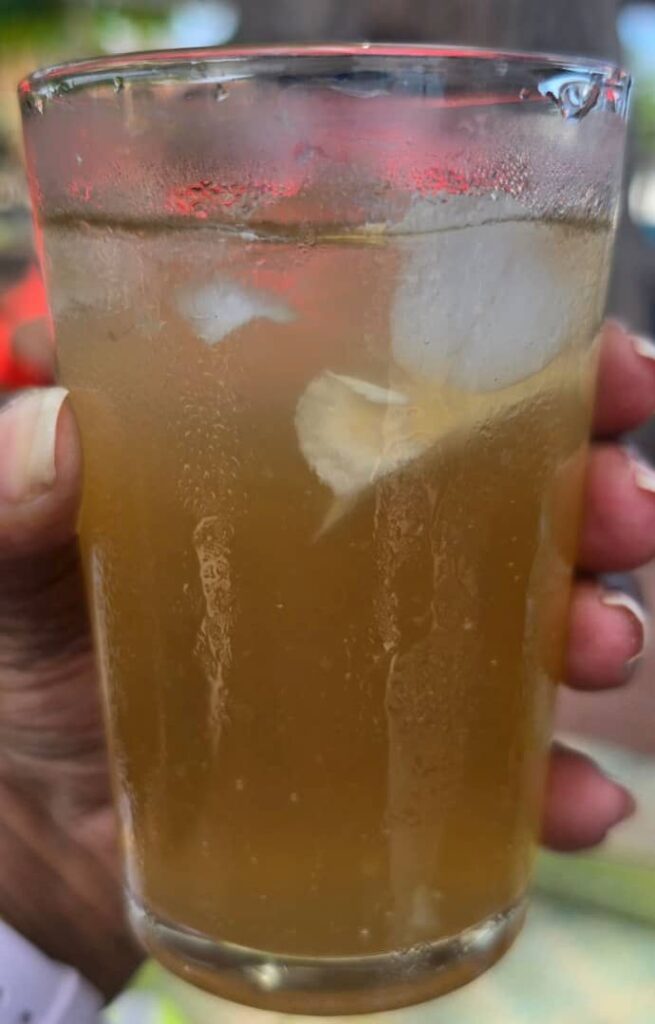
Traditional recipes like lempeng kelapa, sira gula melaka and sira gula ketapang – coconut pancakes, coconut water with palm sugar and sea almonds coated in caramelised sugar – are being reintroduced as both cultural and tourism products.
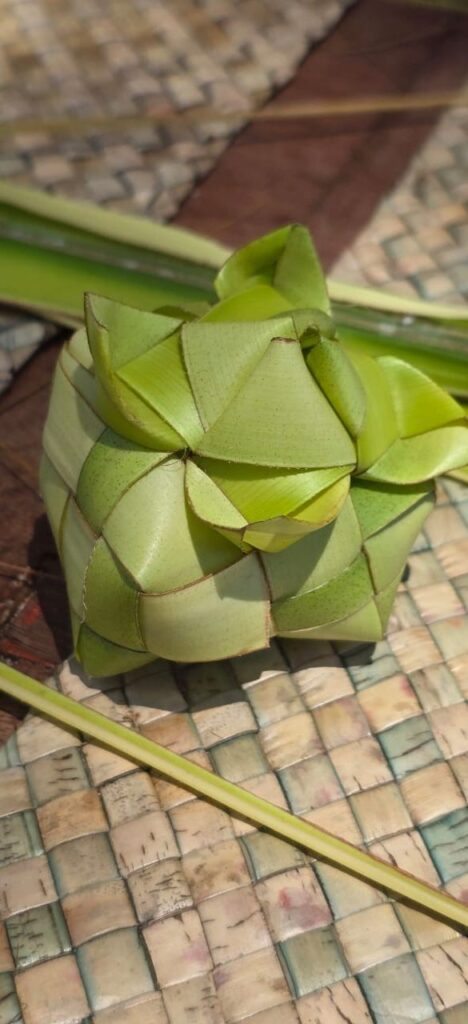
Coconut palm fronds are used to weave ‘kelongsong ketupat’ that are filled with rice and later steamed.
Saudah Rastam, 63, fondly known in Pulau Besar as Mak Oda, is one of the old timers in Pulau Besar. She and some of her siblings are among the few who chose to stay on in Pulau Besar, forgoing the opportunity to move to the mainland and become Felda settlers.
“I like it here, it is quiet, calm and not hectic,” she said. Mak Oda, who used to win ketupat weaving competitions in Pulau Besar in the past, now demonstrates to visitors the art of weaving ketupat shells into intricate shapes of mangosteen flowers, goat heads, birds, among others.
“This was one of the ways we pass our time here on the island,” said Oda, adding that the younger generation does not seem to be interested in learning this art.
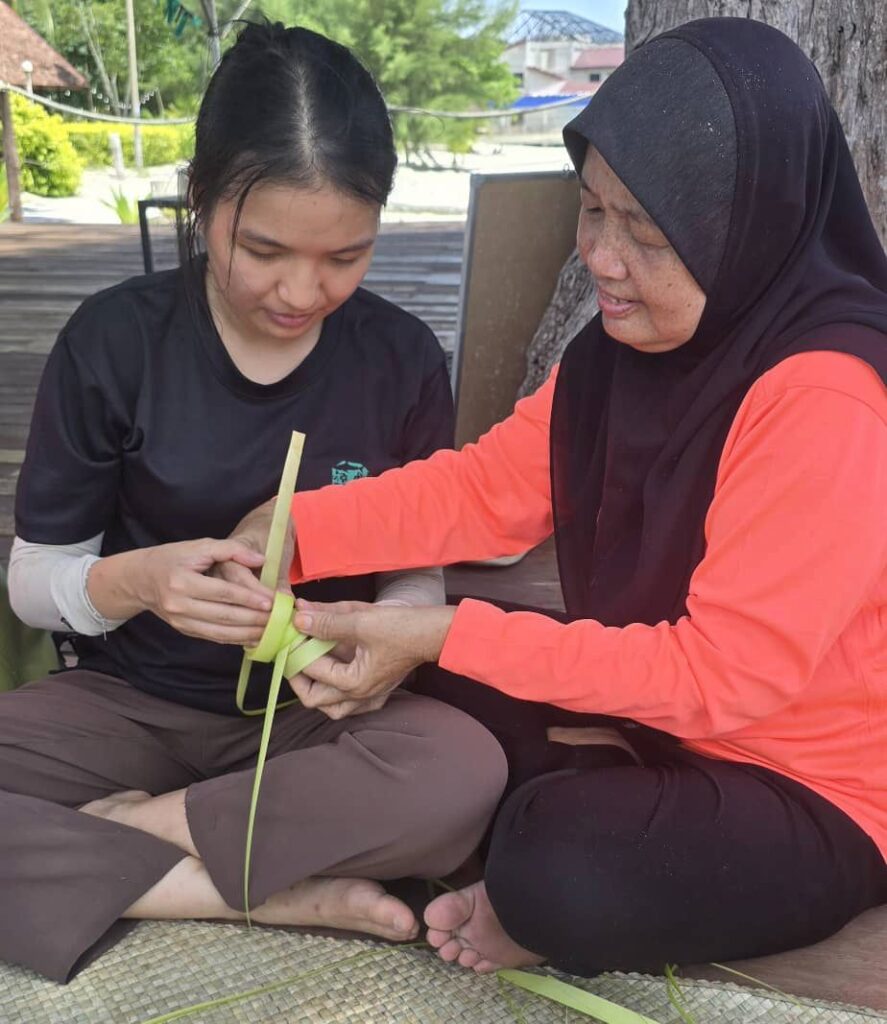
Her siblings operate small businesses – Raslee sells coconut from his stall, Zulkefle works with TIC, while another brother Pak Long has a boat which he uses to kayak and fish for his own consumption.
Building a sustainable future
TIC president and founder Cher Chua-Lassalvy believes conservation must be rooted in community participation.
TIC’s conservation efforts and Tunku Abdul Jalil Conservation Centre, located within Batu – Batu Resort on Pulau Tengah, is partly funded by the resort and supported by grants.
Together with the Habitat Foundation and Sustainable Tourism Malaysia, TIC has launched a Sustainable Tourism Package at Rumah Eko on Pulau Besar, featuring cooking sessions with locals, upcycling workshops, composting and seed planting.
Beyond festivals and workshops, TIC also collects crucial environmental data, monitoring erosion, tourism impact, and rising sea levels, ensuring that conservation decisions are guided by both science and local wisdom.
The solution lies in connection
The story of Pulau Besar is one of loss and renewal. It shows that heritage cannot survive in isolation from nature, and conservation cannot thrive without culture.
The island’s rebirth, through community, science and tradition, offers a model for how Malaysia might reconnect with its maritime roots.
In Pulau Besar’s gentle waves and songs of ghazal pulau, Malaysia’s forgotten maritime soul is finding its voice once more.
Through science, storytelling, and shared responsibility, Pulau Besar is showing Malaysia how to rediscover and appreciate its maritime culture and heritage.
TIC welcomes volunteers and offers internships opportunities. For more details visit https://www.tengahislandconservation.org/ — October 25, 2025